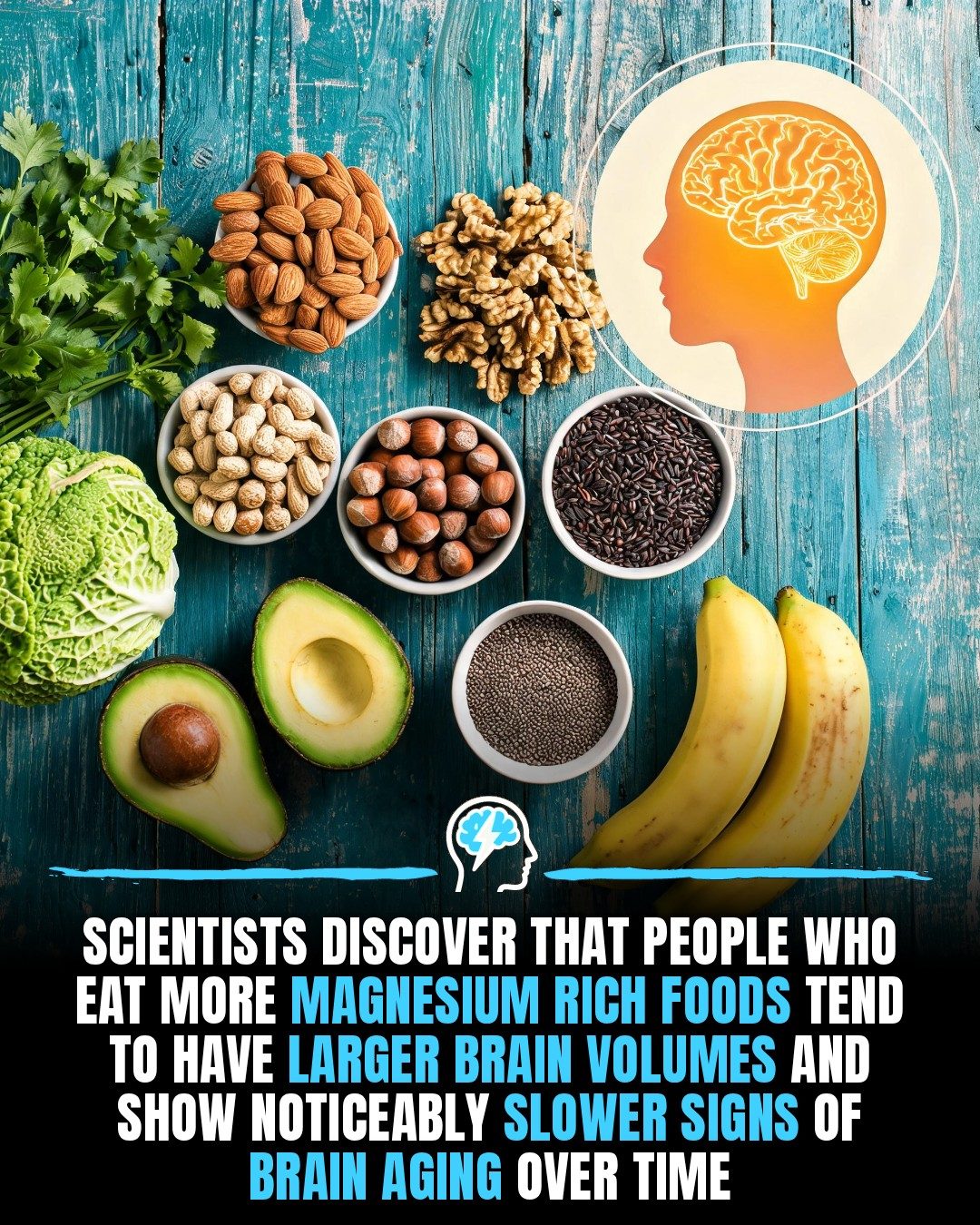
Magnesium and Brain Health
Magnesium, a simple yet powerful mineral, is proving to be a critical player in maintaining brain health, particularly as we age. Recent scientific discoveries have uncovered a strong correlation between higher magnesium intake and better cognitive health. These findings underscore the importance of a magnesium-rich diet in promoting brain longevity and overall wellness.
Why This Matters
Understanding how our diet impacts brain health is crucial. As we age, our cognitive function naturally declines, and factors like brain volume and neural pathways play a significant role in this process. Magnesium emerges as a key nutrient that can slow down or even reverse some of these age-related changes.
Context
The Science Behind Magnesium and Brain Health
Researchers have identified a link between higher magnesium levels and improved brain health. People who consume more magnesium-rich foods tend to have larger brain volumes and experience slower signs of brain aging. This discovery is supported by several key findings:
- Gray Matter Volume: Higher magnesium intake is associated with increased gray matter volume, which is crucial for processing information and cognitive function.
- White Matter Lesions: Individuals with higher magnesium levels have fewer white matter lesions, which are indicators of brain damage and cognitive decline.
- Cognitive Function: Magnesium-rich diets are linked to better overall cognitive function, including improved memory and reduced risk of dementia.
- Neural Pathways: Magnesium helps preserve neural pathways, ensuring smoother communication between different parts of the brain.
demographic Differences
While magnesium benefits everyone, its effects are particularly pronounced in women, especially those who are post-menopausal. This is likely due to magnesium's role in countering inflammation and other age-related changes, providing a natural buffer against cognitive decline in women. This highlights the importance of incorporating magnesium-rich foods into the diet, especially for women in this age group.
Main Discussion
The Protective Effect of Magnesium
The protective effects of magnesium on the brain are significant. People who consume around 550mg of magnesium daily have brains that appear about a year younger than those who consume the typical 350mg. This difference is substantial, as larger brain volume is often associated with better memory and a lower risk of dementia.
Long-Term Benefits
The benefits of a magnesium-rich diet are cumulative and long-lasting. The protective effects of magnesium work best when it is part of a consistent, long-term diet. Starting early, even from a younger age, can lead to significant brain differences by the time a person reaches their sixties. This underscores the importance of making magnesium a regular part of your diet to ensure optimal brain health in the long run.
Magnesium-Rich Foods
Incorporating magnesium into your diet doesn’t require supplements; whole foods are the best source. Here are some easy and delicious ways to boost your magnesium intake:
- Leafy Greens: Spinach, kale, and other leafy greens are excellent sources of magnesium, along with other essential vitamins and minerals.
- Nuts and Seeds: Almonds, pumpkin seeds, and other nuts and seeds are packed with magnesium and healthy fats.
- Whole Grains and Legumes: Foods like brown rice, quinoa, lentils, and chickpeas provide a good dose of magnesium along with fiber and protein.
- Dark Chocolate: A small piece of dark chocolate can satisfy your sweet tooth while delivering a healthy dose of magnesium.
- Fatty Fish: Foods like salmon and mackerel are rich in magnesium and omega-3 fatty acids, which are also beneficial for brain health.
The Role of Magnesium in Brain Function
Magnesium plays a crucial role in various brain functions, including the regulation of neurotransmitters, which are chemicals that help transmit signals in the brain. It also supports the regulation of brain plasticity, a process that allows the brain to adapt and change throughout life.
Magnesium is also essential for maintaining the integrity of brain cells. It helps to protect against oxidative stress and inflammation, both of which can damage brain cells and contribute to cognitive decline. By ensuring a steady supply of magnesium, you can help maintain the health and function of your brain cells, promoting better overall brain health.
Practical Tips
Incorporating Magnesium into Your Daily Diet
- Meal Planning: Plan your meals to include a variety of magnesium-rich foods. For example, a breakfast of oatmeal with almonds, a lunch of a spinach salad with pumpkin seeds, and a dinner of quinoa with lentils can provide a balanced intake of magnesium throughout the day.
- Snacking: Choose magnesium-rich snacks like a handful of nuts or a piece of dark chocolate. These can be convenient and delicious ways to boost your magnesium intake.
- Cooking: Incorporate magnesium-rich ingredients into your cooking. For example, use whole grains like brown rice and quinoa in your meals, and add leafy greens like spinach and kale to your stir-fries and salads.
- Supplements: While whole foods are the best source of magnesium, supplements can be a helpful addition to your diet. Talk to your healthcare provider about whether magnesium supplements might be right for you, especially if you have dietary restrictions or specific health needs.
Monitoring Your Magnesium Intake
While magnesium is generally safe and well-tolerated, it's important to monitor your intake to ensure you're getting the right amount. The recommended daily intake of magnesium varies by age and gender, but generally, adults need between 310-420mg per day. However, individual needs can vary, so it's a good idea to consult with a healthcare provider to determine the best magnesium intake for your specific needs.
Important Takeaways
- Magnesium-rich foods can significantly improve brain health and slow aging.
- Higher magnesium intake is associated with larger brain volume, better cognitive function, and fewer white matter lesions.
- The benefits of magnesium are particularly pronounced in women, especially post-menopause.
- A consistent, magnesium-rich diet from a younger age can lead to significant brain health benefits later in life.
- Incorporating a variety of magnesium-rich foods into your daily meals and snacks is an easy and delicious way to boost your magnesium intake.
Conclusion
Incorporating magnesium-rich foods into your diet is a simple yet powerful way to support brain health and promote overall longevity. From leafy greens and nuts to whole grains and fatty fish, there are plenty of delicious options to choose from. By making magnesium a regular part of your diet, you can help protect your brain from age-related decline and enjoy the long-term benefits of better cognitive function and memory. It's a natural and effective way to keep your mind sharp and your brain healthy as you age.
Questions readers ask
What are some magnesium-rich foods that can support brain health?
Magnesium-rich foods that can benefit brain health include leafy greens, nuts, seeds, whole grains, and legumes. Some of the best examples include spinach, almonds, pumpkin seeds, brown rice, and black beans, which are easy to incorporate into your daily meals for a magnesium boost.
How does magnesium help improve cognitive function?
Magnesium aids in improving cognitive function by playing a crucial role in brain signaling and neural plasticity. It is essential for the production of brain neurotransmitters and helps regulate brain electrical activity, which is vital for learning, memory, and overall cognitive performance.
Can a magnesium-rich diet slow down brain aging?
Research suggests that a diet rich in magnesium can slow down or even reverse some age-related changes in the brain. This is due to magnesium's role in maintaining brain volume and neural pathways, which are key factors in preserving cognitive health as we age.
What are some foods that boost your brain and help with anti-aging?
Foods that help with anti-aging for the brain are those rich in magnesium, antioxidants, and healthy fats. Examples of brain-boosting, anti-aging foods include fatty fish (salmon, mackerel), colorful fruits and vegetables, olive oil, and dark chocolate, which support both cognitive function and overall brain health.
How can including magnesium in my diet contribute to a younger brain?
Including magnesium in your diet can contribute to a younger brain by enhancing cognitive function and slowing down age-related brain changes. Magnesium-rich foods help support better brain signaling, maintain brain volume, and promote neural health, all of which are vital for a younger, healthier brain.
What are some magnesium-rich foods that can help improve brain health and function?
Some of the best foods for brain health and function that are rich in magnesium include dark chocolate, avocados, fatty fish, and bananas. These foods provide a good source of magnesium, along with other essential nutrients, to support brain health and boost cognitive performance.
Related deep dives
Similar reads based on topic and creator.



Recent articles
Fresh deep dives from the latest Reels we unpacked.




Comments
Be the first to comment.