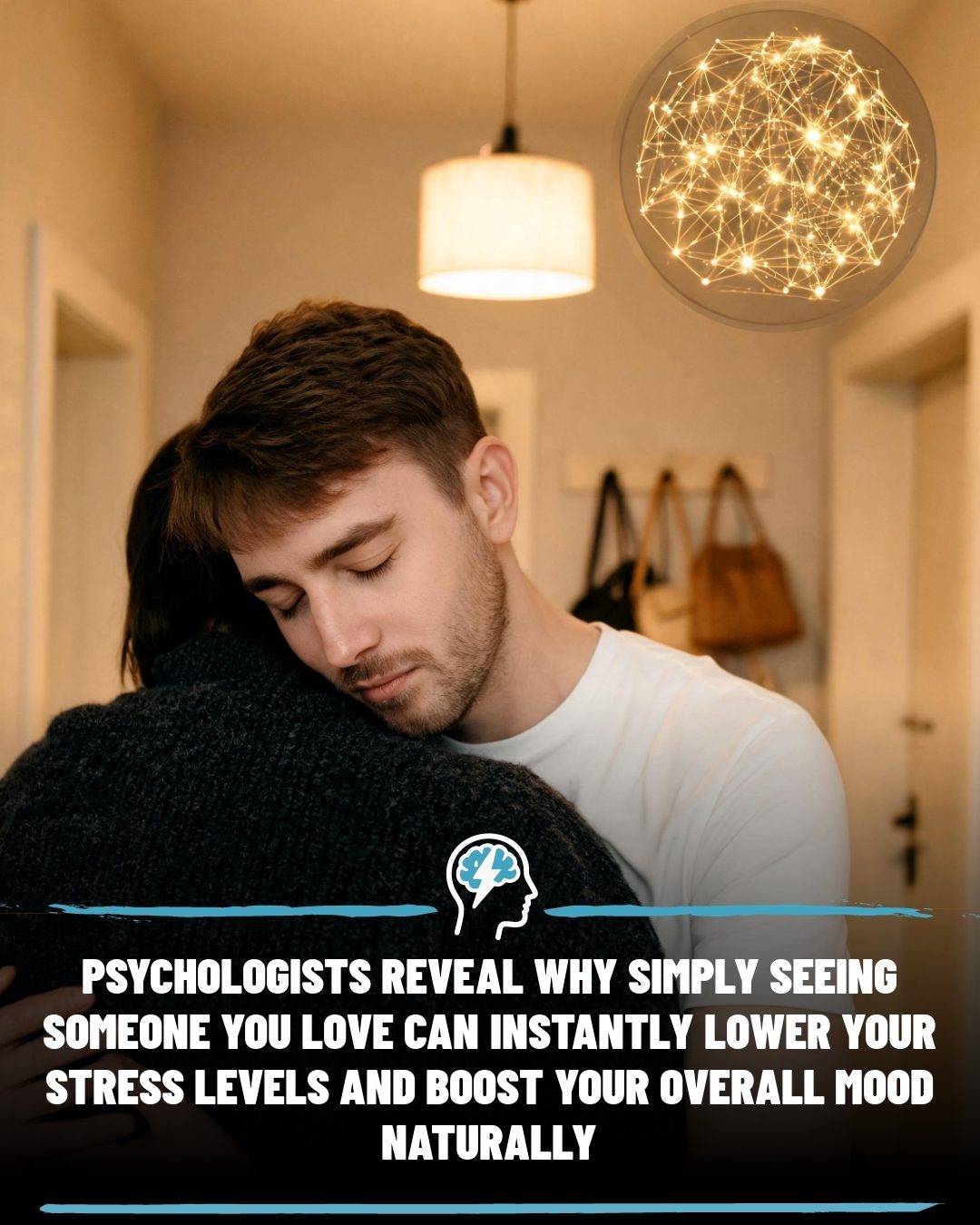
The Science of Seeing Someone You Love: How It Lowers Stress and Boosts Mood
Seeing someone you love can instantly lower your stress levels and boost your overall mood — it's more than just a comforting thought. This phenomenon is backed by solid psychological research, revealing the powerful effects on the brain and body.
What Happens in the Brain
When you see someone you love, whether in person or through a photo, your brain undergoes a series of beneficial changes. The reward system is activated, triggering the release of key neurotransmitters and hormones:
- Dopamine: Often referred to as the "happy hormone," dopamine brings a rush of happiness and well-being.
- Oxytocin: Known as the "love hormone" or "cuddle hormone," oxytocin strengthens the bond between individuals and promotes feelings of trust and security.
- Cortisol: Commonly known as the stress hormone, cortisol levels drop, leading to a reduction in stress and anxiety.
These chemical changes result in a state of calm, which can measurably reduce both physical pain and emotional distress. The presence of a loved one can act as a natural sedative, calming the nervous system.
The Impact on Stress and Health
The psychological benefits of seeing someone you love are well-documented in various studies. Some key findings include:
- Reduced Pain Perception: In studies where participants faced mild stress or discomfort, looking at a photo of a partner lowered self-reported pain levels compared to looking at a stranger's photo.
- Faster Recovery: Heart rate and blood pressure settled faster when a supportive person was nearby, indicating a quicker recovery from stress.
- Lowered Threat Response: The brain's threat response decreased when participants looked at pictures of someone they loved, showcasing the calming effect of familiar, beloved faces.
Beyond Romantic Partners
It's important to note that these benefits are not limited to romantic partners. Anyone who feels safe and supportive to you can trigger these positive responses. This includes family members, close friends, or even beloved pets. The key is the sense of safety and connection that these individuals provide.
Practical Tips
Here are some practical tips to harness the power of human connection in your daily life:
- Display Photos: Keep photos of loved ones visible in your workspace or home. A quick glance can provide a mood boost and reduce stress.
- Video Calls: If you can't be with someone in person, a video call can be just as effective. Seeing and interacting with a familiar face can provide a similar calming effect.
- Scroll Through Memories: Occasionally scroll through old photos or watch videos of happy moments with loved ones. This can remind your brain that you are supported and safe.
Important Takeaways
- Scientific Backing: The benefits of seeing someone you love are backed by robust psychological research, highlighting the powerful impact on the brain and body.
- Inclusive Support: The calming effect is not limited to romantic partners; anyone who feels safe and supportive can provide these benefits.
- Practical Applications: Simple actions like displaying photos, making video calls, or looking through old memories can help reduce stress and boost mood.
Conclusion
The presence of someone you love has a profound impact on your stress levels and overall mood. Understanding the science behind this phenomenon can help you leverage these benefits in your daily life. The next time you have a hard day, remember that seeing a familiar, beloved face can provide the comfort and relief you need.
Questions readers ask
How does seeing loved ones affect stress levels?
Seeing loved ones can significantly lower stress levels by reducing cortisol, the body's main stress hormone. This reaction is triggered by the release of feel-good hormones like oxytocin and dopamine, which promote relaxation and well-being.
What role does dopamine play in mood improvement?
Dopamine, released when we see loved ones, is a key neurotransmitter that brings feelings of happiness and well-being. It activates the brain's reward system, providing a natural mood boost and creating a sense of contentment.
Can seeing loved ones physically reduce pain?
Yes, seeing loved ones can physically reduce pain. The release of oxytocin and dopamine not only boosts mood but also acts as a natural painkiller, helping to alleviate physical discomfort and emotional distress.
What is the 'love hormone' and how is it released?
Oxytocin is often called the 'love hormone' or 'cuddle hormone' because it is released during moments of social bonding, like seeing loved ones. It strengthens emotional connections and promotes feelings of trust and security.
How can I use this information for daily mood improvement?
You can boost your daily mood by making an effort to connect with loved ones, even if it's just for a short time. This can be through in-person visits, video calls, or even looking at photos of cherished moments, as these interactions can spark the release of feel-good hormones.
What are the psychological effects of seeing loved ones?
Seeing loved ones can have profound psychological effects, including reduced stress, improved mood, and decreased emotional distress. It calms the brain and promotes a sense of security and contentment.
Are there any long-term benefits of regularly seeing loved ones?
Regularly seeing loved ones can lead to long-term benefits, such as lower overall stress levels, improved mental health, and stronger emotional bonds. It can also contribute to a more positive outlook on life and better coping mechanisms for daily challenges.
Related deep dives
Similar reads based on topic and creator.



Recent articles
Fresh deep dives from the latest Reels we unpacked.




Comments
Be the first to comment.