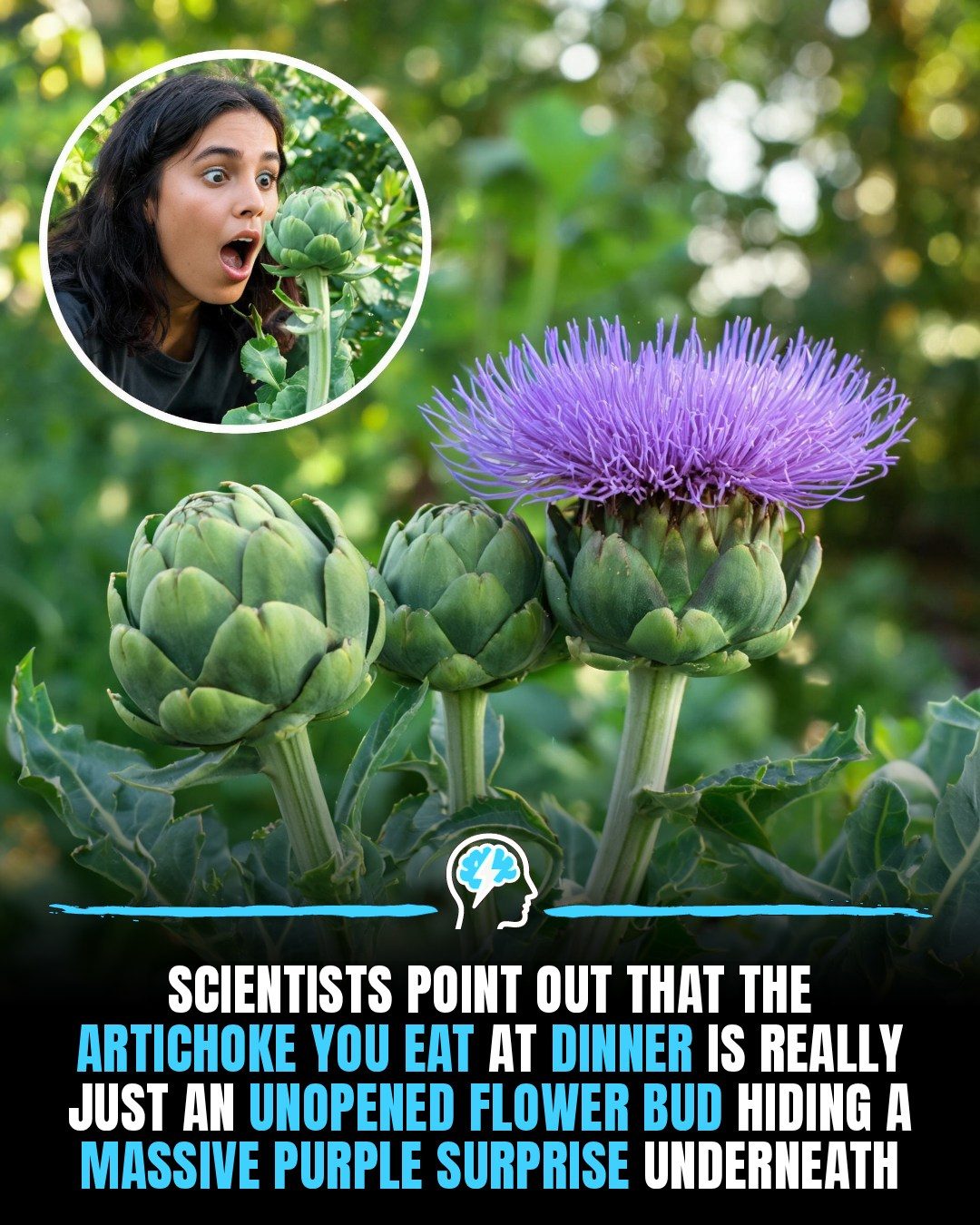
Artichokes: The Surprising Flower Hiding in Your Fridge
Artichokes, a staple in many kitchens, are often mistaken for vegetables. However, they are actually immature flower buds from a giant thistle plant. This revelation is not only fascinating but also sheds light on the unique lifecycle and botanical characteristics of artichokes.
Why This Matters
Understanding the true nature of artichokes can change the way you look at this common ingredient. It highlights the intricate processes that occur in plants and can inspire a deeper appreciation for the botanical world. Whether you're a gardener, a food enthusiast, or simply curious about nature, knowing that the artichoke is a hidden flower can add a new layer of enjoyment to your culinary and gardening experiences.
Artichokes: An Immature Flower Bud
The Botany of Artichokes
Artichokes are not vegetables; they are part of the sunflower family and are closely related to thistles. When harvested, the artichoke is an immature flower bud. It consists of modified bracts, which are the green, scaly leaves that protect the flower underneath. Left to mature, the artichoke plant will stop storing energy and instead channel it into developing a bloom.
The Transformation: From Bud to Bloom
If you miss the harvest window, you can observe a fascinating transformation. The outer layer of the artichoke will crack open, revealing a bright purple flower. This flower can be as big as a softball and is composed of hundreds of tiny florets. The petals eventually turn to feathery down and drift off on the wind, carrying the seeds with them.
The Edible Parts
What You Eat
When you eat an artichoke, you're consuming the heart and the fleshy bases of the leaves. These parts serve as protection for the flower bud inside. Left uneaten, the plant would continue its natural process to produce a flower. The base of the artichoke turns tough and woody once it blooms, making it no longer edible.
From Earthy to Honey-Like
The scent and taste of an artichoke also change as it matures. Freshly harvested artichokes have an earthy scent, but once they bloom, the scent becomes light and honey-like. This transformation reflects the shift from storing energy to producing a nectar-rich flower that attracts bees and butterflies.
Family Resemblance
Artichokes share many characteristics with their sunflower cousins. The purple "hairs" on the artichoke are actually hundreds of tiny florets, similar to those found on sunflowers. This botanical connection makes it easier to understand the plant's lifecycle and its transformation from a protected bud to a vibrant flower.
Eat It or Let It Bloom?
Harvesting for Dinner
When you harvest an artichoke, you're essentially stopping its natural cycle of blooming. By picking the flower bud, you ensure that the plant's energy is channeled into producing a delicious and nutritious vegetable.
Letting It Bloom
If you decide to let the artichoke bloom, you'll be rewarded with a wild, spiky purple centerpiece. These flowers can add a unique and vibrant touch to any garden, and watching the transformation from an unopened bud to a fully bloomed flower is a rewarding experience. Eventually, the petals turn to feathery down and drift off on the wind, completing the plant's lifecycle.
Practical Tips
Growing Artichokes
If you're interested in growing your own artichokes, it's essential to know that they thrive in cool climates. They prefer well-drained soil and plenty of sunlight. When planting, make sure to space the seedlings about 2-3 feet apart to allow for proper growth. Harvesting typically occurs in the late spring or early summer, depending on your region.
Harvesting for Maximum Flavor
For the best flavor, harvest artichokes when the buds are still tight and firm. Overly mature artichokes can become woody and less flavorful. The ideal size for harvesting is when the bud is about 3-4 inches in diameter. Regularly check your plants as the harvesting window can be short.
Important Takeaways
Artichokes are more than just a tasty vegetable; they are a botanical marvel. Knowing that the artichoke in your fridge is actually an unopened flower bud can deepen your appreciation for this plant. Whether you choose to eat it or let it bloom, understanding the lifecycle of the artichoke adds an extra layer of enjoyment to your gardening and culinary experiences.
The Cycle of Life
The transformation of the artichoke from an unopened bud to a vibrant flower is a natural process that showcases the beauty of botany. This process highlights how the plant's energy shifts from storing and protecting to reproduction.
A Versatile Plant
Artichokes can be enjoyed in various ways, whether as a delicious meal or as a stunning garden centerpiece. Their versatility, coupled with their unique lifecycle, makes them a fascinating subject for both gardeners and food enthusiasts.
Conclusion
The next time you prepare an artichoke for dinner, take a moment to appreciate the hidden flower bud you're consuming. This common food has a unique and fascinating story, one that highlights the beauty and complexity of the natural world. Whether you're a gardener, a food lover, or simply curious about the plants around you, understanding the artichoke can enrich your experiences and deepen your appreciation for nature.
Questions readers ask
What part of the artichoke plant is typically eaten?
The part of the artichoke plant that is typically eaten is the immature flower bud. This bud, often referred to as the artichoke heart when cooked, is harvested before the plant's purple flower blooms, ensuring a tender and delicious ingredient for various dishes.
Can you eat the purple flower of the artichoke plant?
The purple flower of the artichoke plant, known as the artichoke bloom, is not typically eaten. By the time the artichoke plant produces its striking purple flower, the bud has already grown too large and tough to be palatable. Harvesting the flower bud is essential to ensure the best culinary experience.
How does the artichoke plant relate to thistle plants?
The artichoke plant is a close relative of the thistle plant. Both are part of the Asteraceae family, and they share similar characteristics. The artichoke itself is an unopened bud of a thistle-like flower. Understanding this botanical relationship can offer new insights into the artichoke and its uses.
What happens to the artichoke bud if it is not harvested?
If the artichoke bud is not harvested, it will eventually bloom into a large, vibrant, purple flower. This bloom is beautiful but not suitable for consumption. The thistle plant flowers is a striking addition to gardens, but they are usually left to bloom for aesthetic purposes rather than culinary ones.
Can you eat other parts of the artichoke plant besides the bud?
While the immature flower bud is the primary edible part of the artichoke plant, other parts, such as the stems and leaves, are also edible but are rarely consumed. The stalks can be prepared and eaten, and the leaves may have certain culinary uses. However, the buds remain the most commonly eaten part.
How do you harvest an artichoke bud for cooking?
To harvest an artichoke bud for cooking, it is best to pick the bud when it is still tight and firm, before the petals begin to open. This ensures that the artichoke is tender and flavorful. If the buds are left to mature, the artichoke petals become tough and the artichoke bloom appears, making it unsuitable for consumption.
Related deep dives
Similar reads based on topic and creator.



Recent articles
Fresh deep dives from the latest Reels we unpacked.




Comments
Be the first to comment.