Screen Printing Machines and Their Unique Applications
Screen printing machines are versatile tools used in various industries for mass-producing high-quality prints. They can handle a wide range of materials, including fabric, ceramics, and even metal. One unique application of screen printing technology is the creation of decorative ceramics, such as plates. Understanding the process and benefits of screen printing on ceramics can provide insight into its efficiency and effectiveness.
Context / Why This Matters
In the world of manufacturing, particularly in the production of tableware, the ability to quickly and consistently print high-quality designs is crucial. Ceramics, such as plates, mugs, and bowls, are often decorated to enhance their aesthetic appeal and make them stand out in the market. Screen printing offers a reliable method for achieving this goal.
Main Discussion
The Screen Printing Process
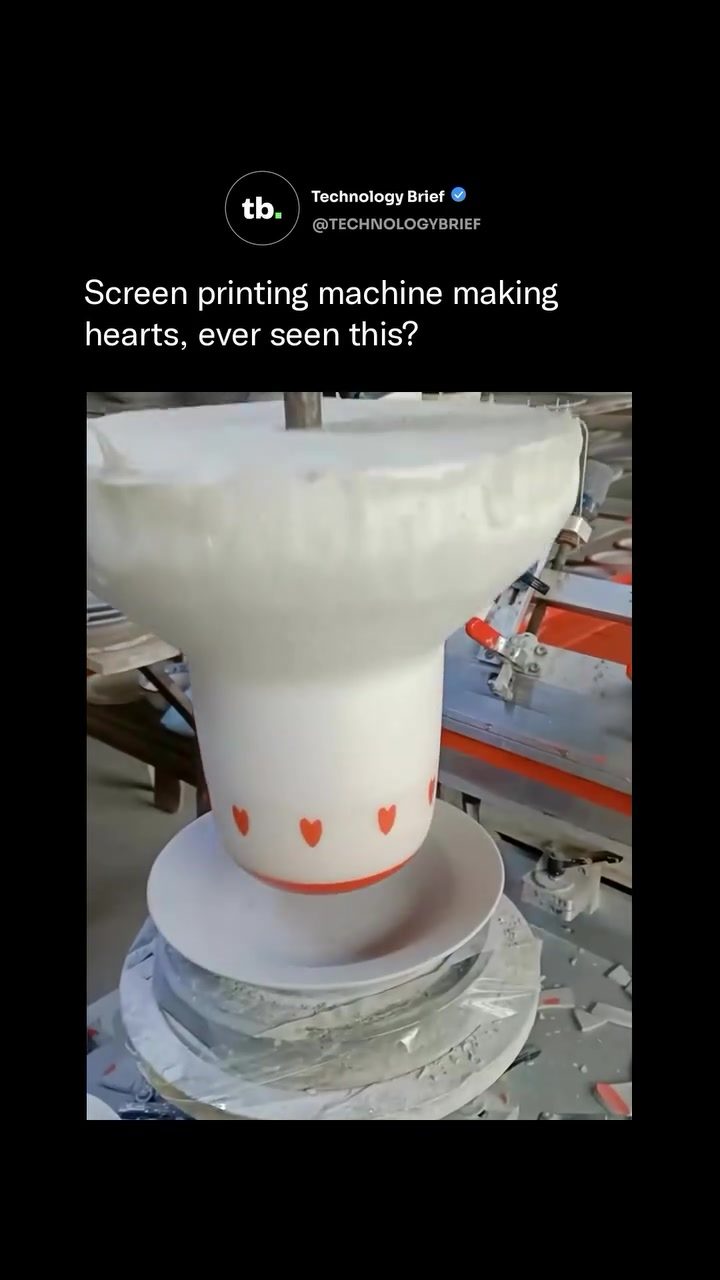
Screen printing involves pressing ink through a mesh stencil onto a surface. The stencil is cut to a specific shape, whether it be a simple design like a heart or a more complex illustration. This method allows for precise and consistent application of the design. The process is particularly useful in mass production because it can stamp the same design onto hundreds of plates per hour with near-perfect consistency.
Pad Printing vs. Screen Printing on Ceramics
Pad printing and screen printing are both methods used to decorate ceramics, but they serve different purposes. Pad printing uses a dome-shaped silicone pad to transfer ink from a flat stencil onto the curved surface of a plate. The funnel-shaped head lowers down, transfers the design in one clean press, and lifts away in seconds, leaving behind a perfectly repeated pattern every time. This method is ideal for curved surfaces and intricate designs.
Screen printing, on the other hand, is more straightforward and efficient for flat or large surfaces. It involves pressing ink through a mesh stencil, which can be cut to any shape. This method is particularly useful for creating complex patterns and designs that require multiple color layers and precise alignment.
Benefits of Screen Printing on Ceramics
One of the key advantages of screen printing on ceramics is the ability to create complex patterns with multiple color layers. Factories can use multiple print heads and color layers to build up intricate patterns from simple shapes, stacking each pass with precision. This allows for the creation of high-quality, detailed designs that are durable and long-lasting.
After printing, the plates are typically fired in a kiln. This process bonds the ink permanently to the ceramic surface, making it dishwasher-safe and long-lasting. The ink becomes a part of the ceramic surface, ensuring that the design does not fade or peel over time. The process significantly contributes to the durability and aesthetic longevity of the final product.
Unique Applications of Screen Printing Machines
Screen printing machines are not limited to printing on flat surfaces alone. They can be used to print on various materials, including fabric, metal, and even glass. For example, the machine shown in the video demonstrates a unique application of screen printing technology by printing heart shapes onto fabric. This highlights the versatility and adaptability of screen printing machines in different industries.
The rotating platform and printing head of the screen printing machine work together to apply the ink precisely, ensuring that each design is consistent and of high quality. This level of precision is essential for mass production, where consistency and quality control are paramount.
Practical Tips
Choosing the Right Screen Printing Machine
When selecting a screen printing machine, consider the type of material you will be printing on and the complexity of the designs you need to produce. For flat surfaces, screen printing machines are ideal. For curved or irregular surfaces, pad printing machines might be more suitable.
Maintenance and Care
Regular maintenance of your screen printing machine is crucial for ensuring its longevity and efficiency. Clean the mesh stencils after each use to prevent ink buildup, which can affect the quality of the prints. Additionally, calibrate the machine regularly to ensure that the printing head is applying the ink precisely and consistently.
Optimizing Ink Usage
To optimize ink usage, choose the right mesh count for your stencil. The mesh count determines the amount of ink that passes through the stencil, affecting the opacity and vibrancy of the print. For finer details, use a higher mesh count. For bolder designs, a lower mesh count will suffice.
Important Takeaways
Screen printing machines offer a versatile and efficient method for decorating various materials, including ceramics. The process involves pressing ink through a mesh stencil, allowing for precise and consistent application of designs. This method is particularly useful in mass production, where consistency and quality control are essential.
Efficiency and Precision
Screen printing machines are designed for efficiency and precision. They can stamp the same design onto hundreds of plates per hour with near-perfect consistency, making them ideal for mass-producing decorated tableware.
Durability and Longevity
After printing, the plates are typically fired in a kiln to bond the ink permanently to the ceramic surface. This process ensures that the design is durable and long-lasting, making the plates dishwasher-safe and resistant to fading or peeling.
Versatility
Screen printing machines are not limited to printing on flat surfaces. They can be used to print on various materials, including fabric, metal, and glass, making them a versatile tool in different industries.
Conclusion
Screen printing machines are a valuable tool in the manufacturing industry, offering a reliable and efficient method for decorating various materials. The process involves pressing ink through a mesh stencil, allowing for precise and consistent application of designs. Whether you're printing on ceramics, fabric, or metal, screen printing machines provide the versatility and precision needed for high-quality production. Understanding the benefits and applications of screen printing technology can help you make informed decisions about your printing needs and ensure that your products stand out in the market.
Questions readers ask
What makes screen printing suitable for mass producing ceramic tableware?
Screen printing is ideal for mass producing ceramic tableware due to its ability to replicate designs consistently and quickly. This method ensures that each piece, whether a plate, mug, or bowl, has a uniform and high-quality design, making it perfect for large-scale production.
Can screen printing machines handle different types of ceramic items?
Yes, screen printing machines are highly versatile and can handle a variety of ceramic items, including plates, mugs, bowls, and more. The process is adaptable to different shapes and sizes, making it a flexible solution for various tableware needs.
How does screen printing enhance the aesthetic appeal of ceramic products?
Screen printing allows for precise and detailed decoration on ceramic surfaces, enhancing their visual appeal. This technique enables manufacturers to create intricate designs, vibrant colors, and consistent patterns, making their products more attractive and marketable.
What are the benefits of using screen printing for ceramic surface decoration?
Screen printing offers several benefits for ceramic surface decoration, including durability, color accuracy, and the ability to produce large quantities efficiently. The process ensures that the designs remain vibrant and intact during ceramic firing and subsequent use, preserving the visual appeal of the finished product.
How does the screen printing process work on ceramic surfaces?
The screen printing process on ceramics involves creating a stencil (or screen) of the desired design, which is then used to apply ink onto the ceramic surface. The ink is forced through the screen onto the ceramic item, and the design is then cured or fired to ensure it adheres permanently to the surface.
What advantages does screen printing have over pad printing for ceramic items?
While pad printing is also used for ceramic decoration, screen printing offers advantages such as better color vibrancy, more precise design reproduction, and the ability to print larger areas. Screen printing is also more cost-effective for high-volume production, making it a preferred choice for mass-producing ceramic tableware.
Can screen printing be used to print on both the inside and outside of ceramic mugs?
Yes, screen printing can be used to decorate both the inside and outside of ceramic mugs, providing a complete design solution. The process is adaptable to different surfaces and can be customized to meet specific design requirements, ensuring that the mugs are fully decorated according to the desired aesthetic.
Related deep dives
Similar reads based on topic and creator.




Recent articles
Fresh deep dives from the latest Reels we unpacked.




Comments
Be the first to comment.