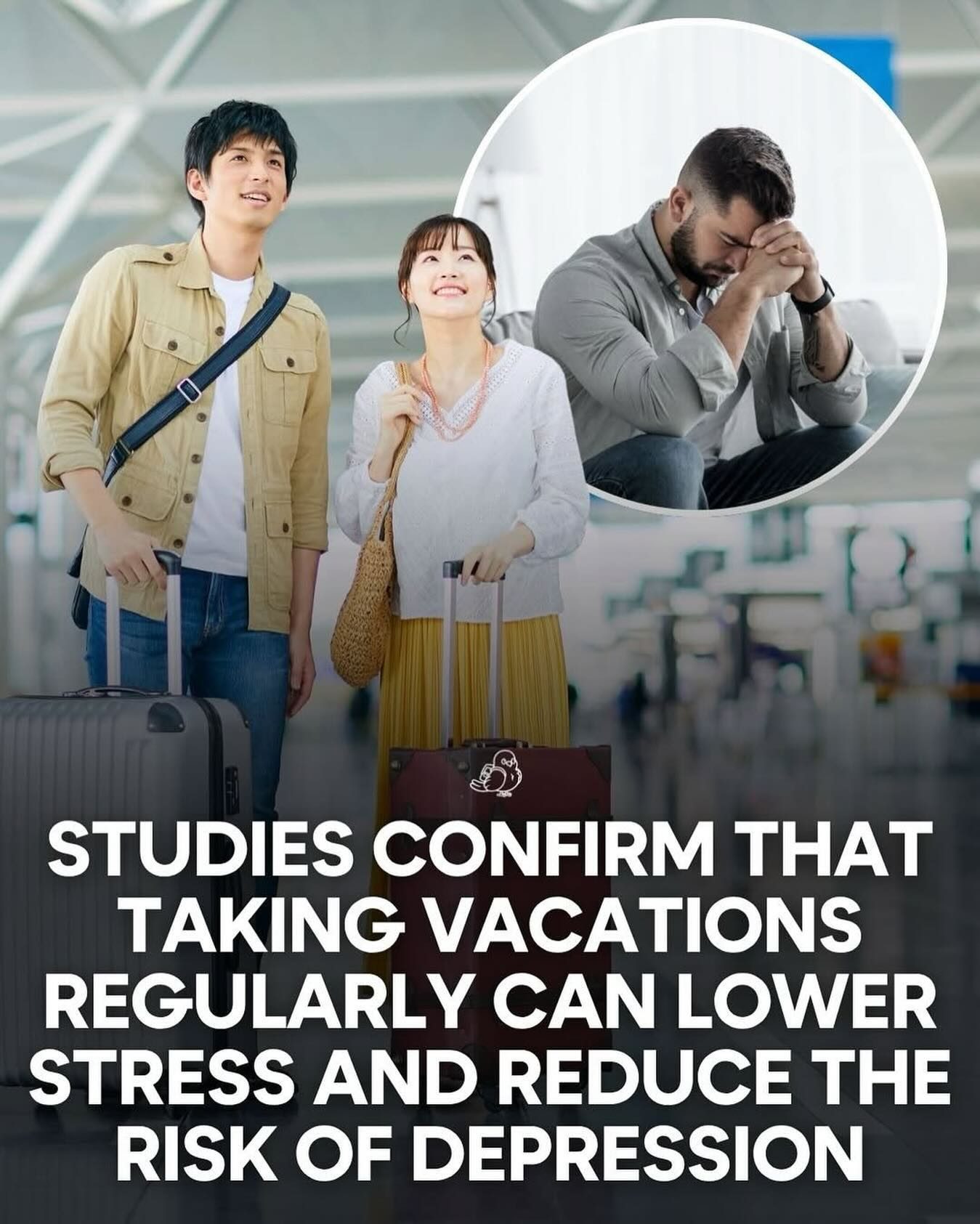
Vacation Benefits: The Science Behind Taking Time Off
Vacations are more than just a getaway; they are a scientifically proven form of self-care. Regular vacations can significantly lower stress levels, reduce the risk of depression, and even improve overall mental wellness. This is not just anecdotal; it is backed by extensive studies and research. Let's delve into the benefits of vacations and why taking time off is crucial for maintaining a healthy lifestyle.
Why This Matters
In today's fast-paced world, the concept of vacations often gets overshadowed by work demands and daily routines. However, taking regular vacations is not a luxury but a necessity. The University of Wisconsin's five-year study, published in the Journal of Vacation Marketing (2005), tracked over 1,500 women and found that those who took two vacations a year were significantly less likely to feel tense, tired, or depressed than those who took vacations once every two years. This study highlights the profound impact of regular vacations on mental health. The Expedia Vacation Deprivation Study (2025) further supports this, revealing that 81% of Americans travel primarily for mental wellness and 91% view vacations as a way to reset from stress and anxiety.
Yet, despite these benefits, a significant number of people go without a break for extended periods. According to the Expedia study, 63% of Americans go six months or longer without a break, and over 25% wait a whole year between trips. This highlights a disconnect between the known benefits of vacations and the actual behavior of many individuals.
Main Discussion
The Impact of Vacations on Mental Health
Vacations play a crucial role in reducing stress and improving mental health. The split-screen visualization depicts a couple smiling and ready to travel versus a stressed individual struggling with daily pressures. This juxtaposition highlights the tangible benefits of taking time off. Regular vacations can significantly lower the risk of depression and help individuals cope with chronic stress. Taking a break from work and routine helps the brain recover from the constant stimulation, promoting better mood regulation and overall mental well-being.
Boosting Relationship Satisfaction
The Wisconsin study also noted that frequent travelers reported happier marriages. Vacations provide an opportunity to disconnect from daily stressors and reconnect with loved ones. Quality time spent together can strengthen relationships, enhance communication, and foster a deeper bond. For those in a relationship, taking regular vacations can be a proactive step towards maintaining a healthy and fulfilling partnership.
The Role of Disconnecting
Disconnecting from work and routine is essential for the brain to recover from chronic stress. Experts emphasize that this disconnection allows the brain to reset, leading to improved mood regulation and overall well-being. Taking a break from the constant barrage of emails, meetings, and deadlines can provide a much-needed respite, allowing individuals to return to work with renewed energy and focus.
Physical Health Benefits
While the primary focus is on mental health, vacations also offer numerous physical health benefits. A change of scenery, physical activities like hiking, swimming, or simply walking around a new city, can improve cardiovascular health, boost the immune system, and enhance overall fitness. The relaxation and reduced stress levels associated with vacations can also lead to better sleep patterns, which is crucial for overall health and well-being.
Practical Tips
Planning Ahead
To maximize the benefits of a vacation, it is essential to plan ahead. This includes choosing a destination that aligns with your interests and provides opportunities for relaxation and rejuvenation. Whether it's a beach getaway, a mountain retreat, or a cultural tour, selecting the right destination can enhance the overall experience and ensure that you return feeling refreshed and recharged.
Setting Boundaries
Setting boundaries is crucial for a successful vacation. This means disconnecting from work as much as possible. If you must check in, set specific times for work-related activities and stick to them. Communicating your availability to colleagues and clients can help manage expectations and reduce stress during your time off.
Engaging in Relaxing Activities
Engaging in activities that promote relaxation and enjoyment is key. This could include yoga, meditation, spa treatments, or simply lounging on the beach. The goal is to create a balance between structured activities and downtime, allowing yourself to fully unwind and enjoy the experience.
Important Takeaways
Regular Vacations Are Essential
Taking regular vacations is not just about having fun; it is about maintaining mental and physical health. The science behind vacations underscores their importance in reducing stress, improving mental well-being, and boosting relationship satisfaction.
Disconnecting from Routine
Disconnecting from daily routines and work pressures is crucial for mental recovery. Allowing the brain to reset can lead to improved mood regulation and overall well-being.
Planning and Boundaries
Planning ahead and setting clear boundaries can enhance the overall vacation experience. Choosing the right destination, engaging in relaxing activities, and disconnecting from work can ensure a rejuvenating time off.
Conclusion
Vacations are not just a luxury; they are a scientifically proven form of self-care. Regular vacations can significantly lower stress levels, reduce the risk of depression, and improve overall mental and physical health. By planning ahead, setting boundaries, and engaging in relaxing activities, you can maximize the benefits of your vacation. So, if you've been putting off that getaway, take this as your sign to prioritize your well-being and book that much-needed vacation. Your mind and body will thank you.
Questions readers ask
How often should I take a vacation to maintain mental wellness?
To maintain optimal mental wellness, it is recommended to take at least one vacation per year. Two weeks is an ideal length to provide the mental health benefits of travel. Regular, shorter breaks throughout the year can also be beneficial. The University of Wisconsin's five-year study shows that frequent vacations are key to maintaining good mental health.
Can vacations really help reduce the risk of depression?
Yes, vacations can help reduce the risk of depression. Taking time off allows for relaxation and stress reduction, which are crucial for maintaining good mental health. A study in the Journal of Vacation Marketing found that regular vacations can help prevent depression and promote overall mental wellness.
What are the immediate mental health benefits of a vacation?
The immediate mental health benefits of a vacation include a significant reduction in stress levels. Within just a few days, vacationers often report feeling more relaxed and rejuvenated. This immediate respite from daily pressures can lead to improved mood and better overall mental health.
How does the frequency of vacations impact mental health?
The frequency of vacations has a direct impact on mental health. People who take vacations regularly tend to have lower stress levels and a reduced risk of depression. The Wisconsin study shows that those who took frequent vacations had better overall health and mental well-being compared to those who did not.
Do all types of vacations provide the same mental health benefits?
While all vacations offer some level of mental health benefits, the type of vacation can influence the extent of these benefits. Vacations that involve relaxation, such as a beach holiday, or those that promote adventure and new experiences, like traveling to a new country, can both be beneficial. The key is to choose a vacation that allows for a break from daily routines and promotes enjoyment and relaxation.
What happens to my mental health if I don't take regular vacations?
If you do not take regular vacations, you may experience increased stress levels, a higher risk of depression, and overall diminished mental wellness. Extensive studies show that prolonged periods without a break can lead to burnout, impacting both mental and physical health. Regular time off is crucial for maintaining a healthy lifestyle and managing daily pressures.
Can taking a vacation help manage job-related stress?
Yes, taking a vacation can significantly help manage job-related stress. A break from work allows the mind to rest and recharge, reducing stress levels. This can lead to improved productivity, better mood, and a more balanced outlook when returning to work. Regular vacations are essential for maintaining a healthy work-life balance and overall mental well-being.
Related deep dives
Similar reads based on topic and creator.




Recent articles
Fresh deep dives from the latest Reels we unpacked.




Comments
Be the first to comment.