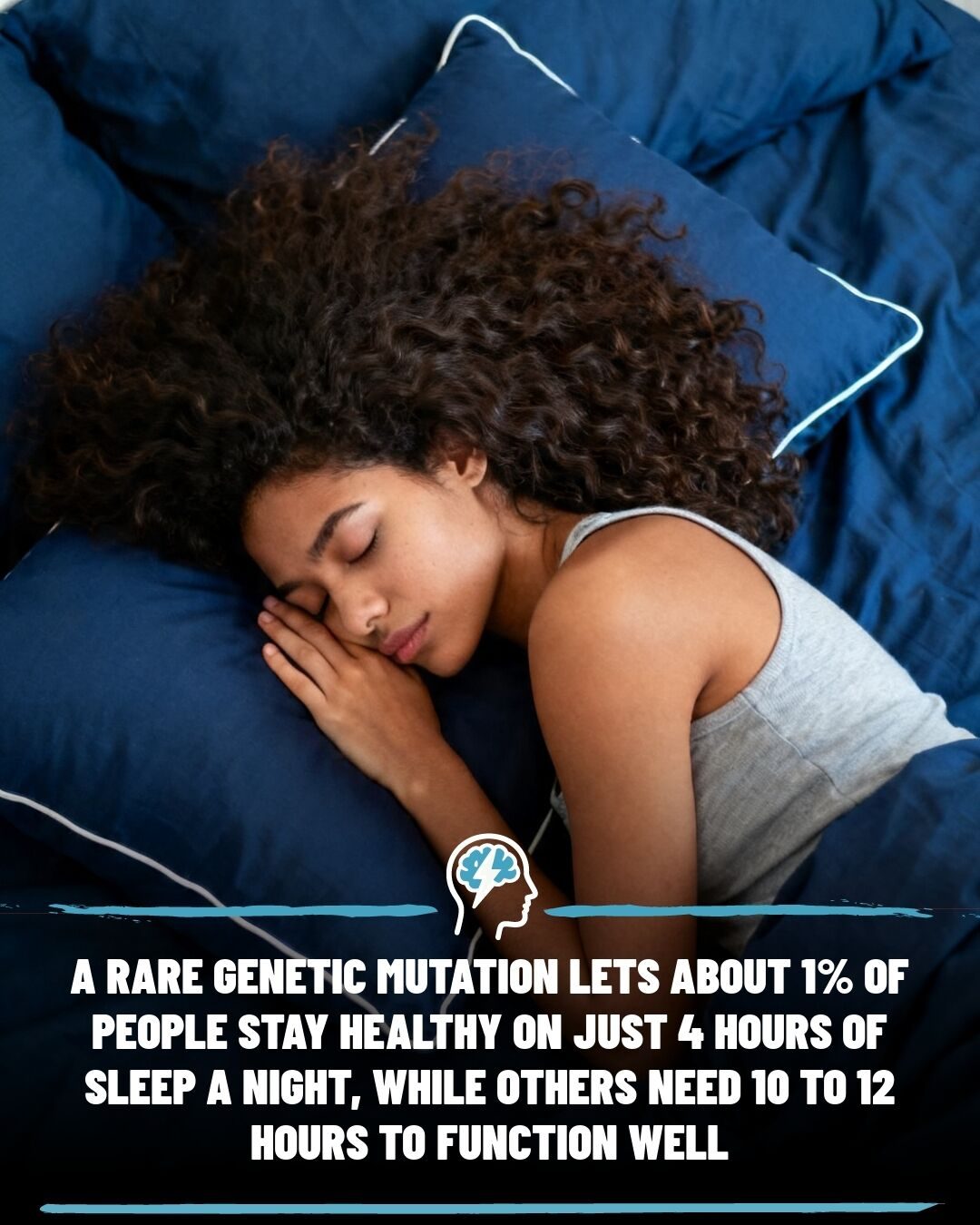
Sleep and Genetics
Sleep needs vary from person to person, and recent research has shed light on the genetic factors that influence how much sleep we need. Some people can thrive on just 4 to 6 hours of sleep per night, while others require more to function well. This variation is, in part, due to rare genetic mutations that affect how the brain regulates sleep and wakefulness.
Context / Why this matters
Understanding the genetic basis of sleep patterns is important for several reasons. It helps explain why some people can function well on less sleep, while others need more. This knowledge can also inform personal sleep habits and help individuals tailor their sleep routines to their unique genetic makeup. Moreover, it highlights the importance of paying attention to how you actually feel, rather than chasing an arbitrary number of sleep hours. Everyone's body has different needs.
Main discussion
The role of genetics in sleep
Genetics play a significant role in determining how much sleep a person needs. Certain genetic mutations can allow individuals to feel fully rested on just 4 to 6 hours of sleep per night. These mutations occur in genes like DEC2, ADRB1, and SIK3, and they appear to change how the brain regulates sleep and wakefulness. While these mutations are rare, affecting roughly 1 to 3 percent of the population, they provide valuable insights into the mechanisms of sleep.
Key genetic mutations and their effects
DEC2 Mutation
The DEC2 mutation seems to boost the production of orexin, a hormone that promotes alertness. Orexin is involved in regulating the sleep-wake cycle, and increased levels of this hormone can help individuals stay awake and alert for longer periods. This mutation allows for more efficient sleep cycles, meaning less time in bed with similar restorative benefits.
ADRB1 Mutation
The ADRB1 mutation appears to increase activity in brain regions responsible for keeping us awake. This mutation enhances alertness and wakefulness, contributing to the ability to function well on less sleep.
SIK3 Mutation
The SIK3 mutation is another genetic variation that can influence sleep patterns. This mutation also affects how the brain regulates sleep and wakefulness, contributing to the ability to feel rested on less sleep.
How researchers identified these patterns
Researchers found these patterns by studying families where multiple members naturally slept under 6.5 hours without feeling tired or showing health problems. These studies involved detailed genetic analysis and physiological measurements to understand the underlying mechanisms. When scientists introduced these mutations into mice, the animals slept less while maintaining normal cognitive and physical function. This provided further evidence that these genetic mutations can influence sleep patterns in humans.
The broader implications
The research highlights that sleep needs vary from person to person. Some people genuinely require more sleep to feel their best, while others may need less. This variation is influenced by genetics, lifestyle, and overall health. The takeaway is not to chase a specific number of sleep hours. Instead, pay attention to how you actually feel.
Practical tips
To determine your personal sleep needs, consider the following tips:
Assess your daytime alertness
Are you alert during the day? If you find yourself feeling tired or sluggish, you may need more sleep. Conversely, if you feel energized and alert, you might be getting enough rest.
Monitor your focus
Can you focus without caffeine? If you rely heavily on caffeine to stay focused, it might be a sign that you are not getting enough sleep.
Evaluate your nightly rest
Do you wake up feeling refreshed? If you wake up feeling groggy or unrefreshed, you may need more sleep. Pay attention to how you feel when you wake up and adjust your sleep duration accordingly.
Consider your overall health
Your overall health can also influence your sleep needs. If you have health issues or chronic fatigue, you may need more sleep to feel your best.
Important takeaways
Personalized sleep needs
Everyone's body has different needs when it comes to sleep. Some people genuinely require more sleep to feel their best, while others may need less. Genetics, lifestyle, and overall health all play a role in determining your personal sweet spot.
Listen to your body
Rather than chasing a specific number of sleep hours, pay attention to how you actually feel. Are you alert during the day? Can you focus without caffeine? Do you wake up feeling refreshed? These signals matter more than hitting an arbitrary target.
The rarity of genetic mutations
While these genetic mutations are genuinely rare, affecting roughly 1 to 3 percent of the population, they provide valuable insights into the mechanisms of sleep. For most people, consistently sleeping under 7 hours can lead to negative health outcomes over time.
Conclusion
Sleep and genetics are intricately connected, and understanding this relationship can help individuals tailor their sleep routines to their unique needs. Whether you are someone who can thrive on less sleep or someone who requires more, paying attention to your body's signals is crucial. By doing so, you can optimize your rest and overall well-being.
Questions readers ask
Who are short sleepers and what causes their sleep patterns?
Short sleepers are individuals who function well with only 4 to 6 hours of sleep per night. This ability is attributed to rare genetic mutations, such as those found in the DEC2, ADRB1, and SIK3 genes, which influence how the brain manages sleep and wakefulness.
What role does the DEC2 gene play in sleep regulation?
The DEC2 gene is one of the genetic factors that can lead to efficient sleep patterns. Mutations in this gene can enhance sleep efficiency, allowing individuals to feel rested with fewer hours of sleep.
How do genetic mutations affect sleep requirements?
Certain genetic mutations, like those in the ADRB1 and SIK3 genes, alter the brain's regulation of sleep and wakefulness. This can result in individuals needing less sleep to feel rested and function optimally.
Are there health benefits associated with being a short sleeper?
While short sleepers can function well with less sleep, it's important to note that individual health outcomes can vary and more research is needed. Short sleepers should still prioritize adequate rest and maintain overall healthy habits.
Can short sleepers experience the same cognitive benefits as those who sleep longer?
Short sleepers can experience similar cognitive benefits as those who sleep longer. However, the quality of sleep and how it aligns with one's genetic makeup is crucial. It's essential for individuals to understand their unique sleep needs and patterns.
What are the implications of understanding the genetics behind sleep needs?
Understanding the genetic factors that influence sleep needs can help individuals tailor their sleep routines to their unique biological requirements. This knowledge can also guide further research into sleep disorders and potential therapies.
Related deep dives
Similar reads based on topic and creator.




Recent articles
Fresh deep dives from the latest Reels we unpacked.




Comments
Be the first to comment.