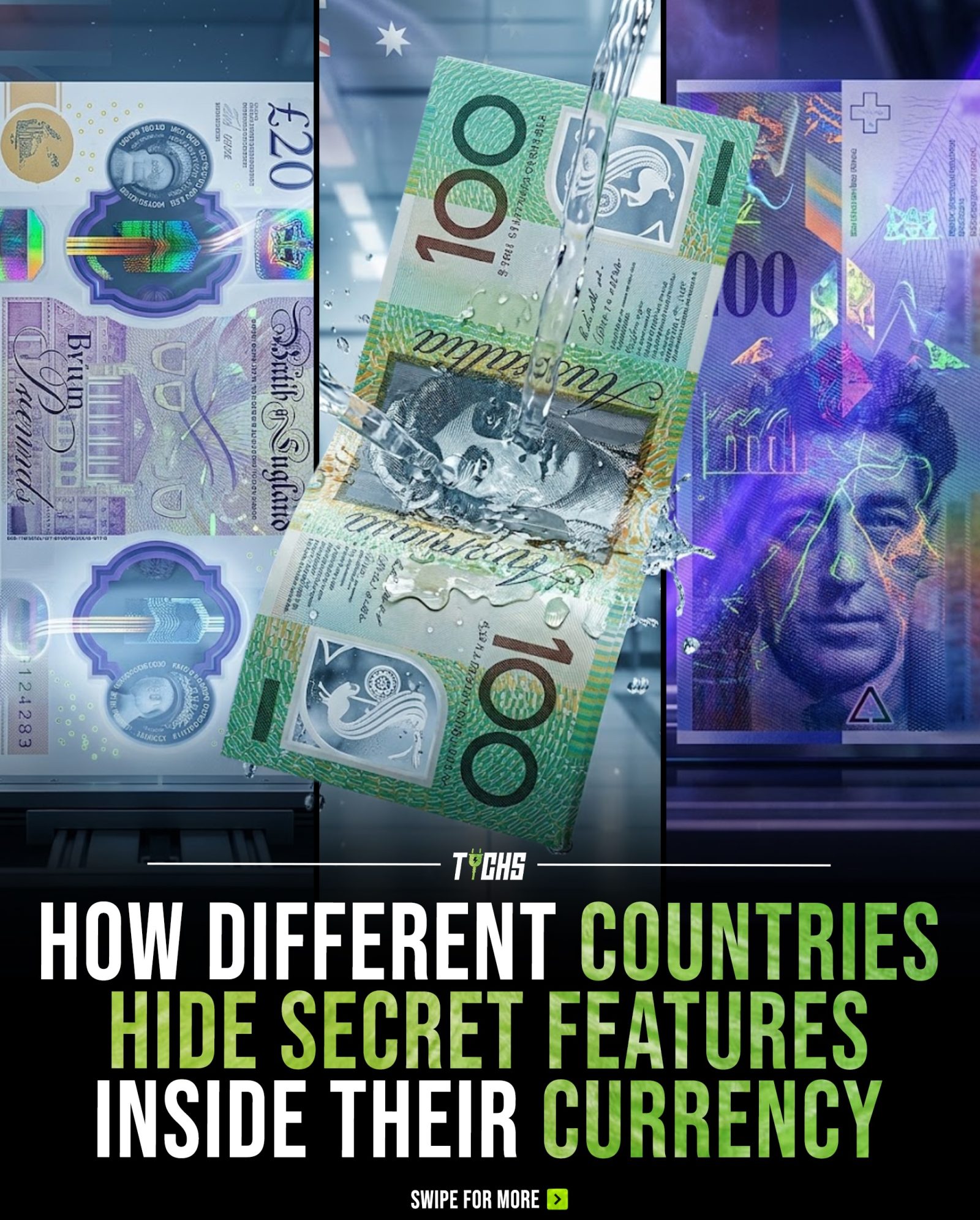
Currency Security Features
The world of modern currency is a fascinating blend of art and science. Each banknote is a masterpiece of design, incorporating a variety of advanced materials and technologies to prevent counterfeiting. These security features range from invisible inks to complex printing techniques, making it difficult for counterfeiters to replicate.
Context / Why this matters
Understanding how currency is designed to protect against counterfeiting is crucial. The increasing sophistication of counterfeit technology requires equally advanced security measures. Consequently, modern banknotes embed a variety of invisible and microscopic security features. These include polymer layers, holograms, magnetic ink, and transparent security windows. By exploring the science behind these features, we can appreciate the ingenuity and complexity of currency design. This knowledge enhances our ability to identify legitimate currency and understand the global effort to safeguard financial systems.
Main discussion
Modern currencies employ a variety of advanced technologies to enhance security. Let's delve into some of the key features and techniques used in different countries.
Raised textures and intaglio ink
One such material is intaglio ink. This ink is specially formulated to create raised textures on the paper. For instance, the Japanese Yen utilizes intaglio raised ink with metallic compounds. The raised texture is difficult to replicate, as it requires specific printing techniques and materials. The metallic compounds add an extra layer of complexity, making counterfeiting even more challenging. Additionally, some currencies incorporate fluorescent ink, which glows under UV light, and UV reactive materials, which change color when exposed to ultraviolet rays.
Polymer layers and anti-counterfeit coatings
The Australian dollar is a prime example of a currency that leverages synthetic polymer layers and anti-counterfeit coatings. These layers are resistant to water and chemicals, making them highly durable. The coatings also provide an additional barrier against counterfeiting, as they are difficult to replicate with standard printing techniques. Another notable feature is the use of microscopic printing. The Australian Dollar, along with the Chinese Yuan, includes microscopic printing and embedded security fibers. These tiny details are virtually invisible to the naked eye but can be detected under magnification, adding another layer of security.
Magnetic ink and transparent security windows
Some currencies, like the United States Dollar, Canadian Dollar, and British Pound, use magnetic ink. This ink contains tiny particles of metal that are attracted to a magnetic field. This feature allows for easy detection and verification of the currency. Additionally, these notes often include transparent security windows, which are embedded with holograms and other complex designs. These windows are nearly impossible to replicate, making them a highly effective deterrent against counterfeiting.
Special printing and fluorescent features
The Swiss Franc and Indian Rupee rely on fluorescent ink and raised textures. The fluorescent ink is invisible under normal light but becomes visible under UV light, making it a useful security feature. Raised textures, on the other hand, are created through a special printing process that adds a tactile element to the note. This makes it difficult for counterfeiters to replicate the feel of the note, as well as its appearance. The combination of these features makes it extremely challenging for counterfeiters to produce a convincing replica.
Practical tips
When handling and verifying currency, consider the following tips to ensure authenticity:
-
Feel the texture: Genuine banknotes often have raised textures, especially around the edges and on certain design elements. Counterfeit notes may feel smooth or uneven.
-
Check for watermarks: Genuine banknotes often have watermarks that are visible when held up to the light. These watermarks are typically integrated into the paper during production and are difficult to replicate.
-
Look for fluorescent features: Some currencies use fluorescent ink that glows under UV light. Use a UV light to check for these features, but be cautious of handling currency improperly.
-
Inspect for holograms and transparent windows: Some currencies include holograms and transparent security windows. Hold the note up to the light and check for these features. Ensure they are clear and intact, as counterfeiters may attempt to alter or remove them.
-
Check for magnetic ink: Use a magnet or a magnetic ink detector to check for magnetic ink. This ink is typically used in serial numbers and other important details on the note.
Important takeaways
The world of currency design is a complex and intricate field. Modern banknotes are packed with advanced materials, special inks, and microscopic security features, making them difficult to counterfeit. The use of intaglio ink, polymer layers, magnetic ink, and other sophisticated techniques showcases the ingenuity and complexity involved in currency design. Understanding these features not only enhances our appreciation for the art and science behind currency but also equips us with the knowledge to identify and verify legitimate banknotes. By leveraging these insights, we can contribute to the global effort to safeguard financial systems and protect against counterfeiting. In a world where counterfeit technology continues to evolve, staying informed about currency security features is more important than ever.
Conclusion
Currency security features are a testament to the fusion of chemistry, engineering, and design. From the intaglio ink with metallic compounds used in the Japanese Yen to the synthetic polymer layers and anti-counterfeit coatings in the Australian Dollar, each feature plays a crucial role in protecting national currencies. By understanding and appreciating these security measures, we can better navigate the world of finance and contribute to a more secure financial ecosystem.
Questions readers ask
What are some common security features found in modern currencies?
Modern currencies employ a variety of security features, including raised textures, intaglio inks, fluorescent security inks, and polymer layers. These features make it challenging for counterfeiters to replicate the intricate design and feel of genuine banknotes.
How does intaglio ink contribute to currency security?
Intaglio ink is a specialized printing technique that creates a raised texture on banknotes. This tactile feature is difficult to replicate, making it a key element in preventing counterfeiting. The ink also has a unique viscosity that helps in quickly identifying authentic notes.
What makes polymer banknotes more secure than traditional paper banknotes?
Polymer banknotes are more secure due to their durability and the ability to incorporate advanced security features such as transparent windows and holograms. These features are nearly impossible to replicate, enhancing the overall security of the currency and making currency authentication easier.
Can you provide examples of countries using advanced currency security features?
Yes, countries like Japan and Australia are known for their advanced currency security features. The Japanese yen, for instance, uses microscopic security threads and unique paper compositions. The Australian dollar, on the other hand, incorporates polymer substrates and holographic elements to enhance its security.
What role do fluorescent inks play in currency protection?
Fluorescent inks are used to create invisible designs on banknotes that can only be seen under UV light. This feature is a crucial anti-counterfeit technology, as it makes it difficult for counterfeiters to replicate without the right equipment and knowledge. It allows for quick and reliable currency authentication.
How do holograms enhance the security of banknotes?
Holograms on banknotes are highly effective in preventing counterfeiting due to their complex patterns and diffraction properties. These patterns are difficult to replicate and can change appearance when viewed from different angles. This adds a visual layer of security that is hard for counterfeiters to mimic.
What is the purpose of transparent security windows in modern currencies?
Transparent security windows are integrated into polymer banknotes to introduce a unique, visible security feature. These windows often contain holograms or micro text that is challenging to replicate. Additionally, they are easy to verify, making them a robust tool in ensuring the authenticity of the currency.
Related deep dives
Similar reads based on topic and creator.




Recent articles
Fresh deep dives from the latest Reels we unpacked.




Comments
Be the first to comment.