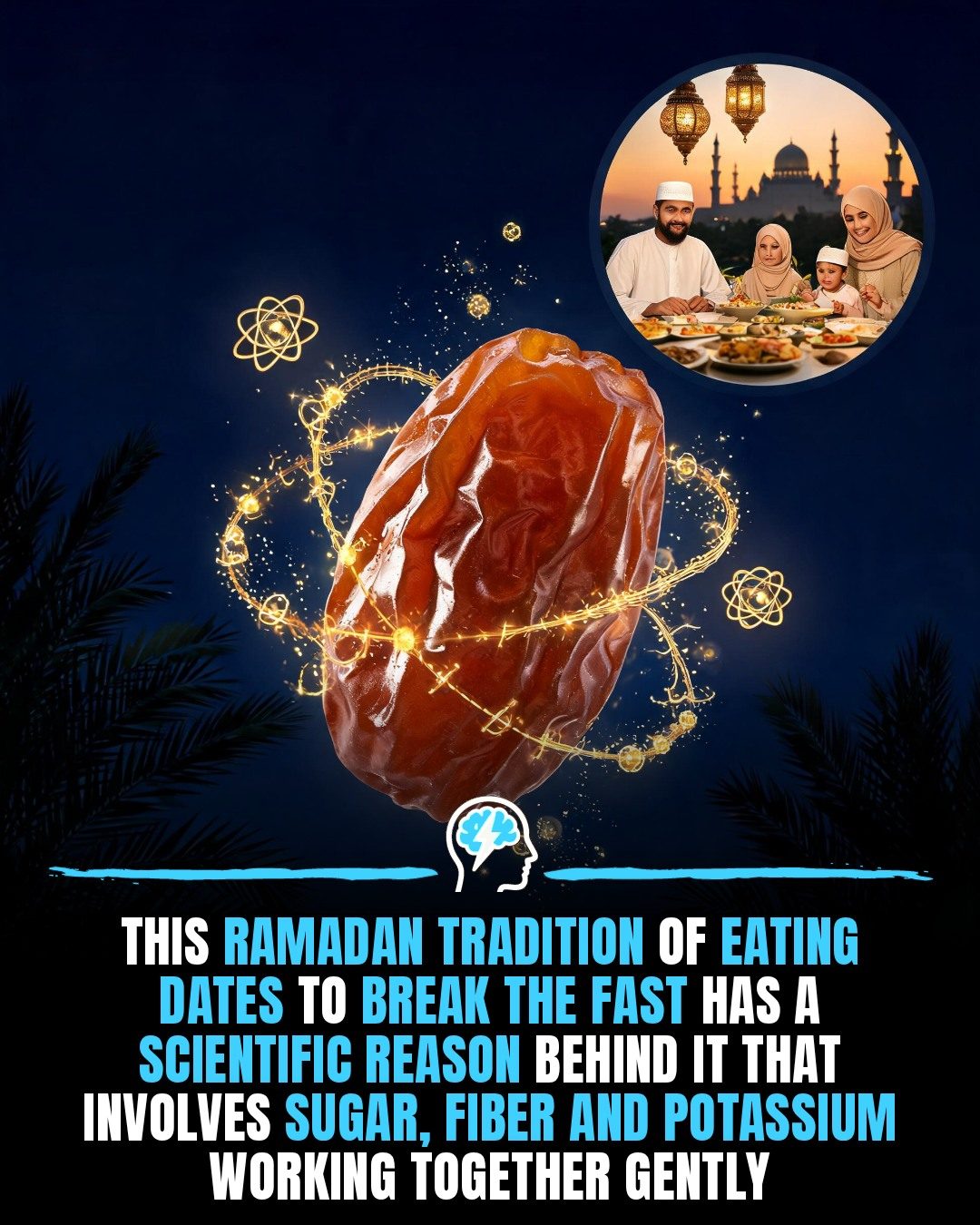
The Tradition of Eating Dates to Break the Fast During Ramadan
Eating dates is a long-standing tradition during Ramadan, particularly when breaking the fast. This practice, prevalent across the Middle East and beyond, is deeply rooted in both culture and biology. It’s a simple yet powerful way to provide essential nutrients and support the body after a long period of fasting. The combination of sugar, fiber, and potassium in dates offers several benefits, making it a natural and effective choice.
Why This Matters
Understanding the significance of dates during Ramadan is important for anyone observing the fast and looking for a nutritious way to break it. This tradition is more than just a custom; it has scientific backing that makes it beneficial for health and well-being. By breaking the fast with dates, individuals can alleviate fatigue, aid digestion, and replenish vital minerals.
The Role of Dates in Breaking the Fast
Instant Energy
During Ramadan, fasting can last from dawn to sunset, leading to a significant drop in blood sugar levels and potential fatigue. Dates are rich in natural sugars such as fructose and glucose, which are quickly absorbed by the body. This rapid energy boost is crucial for restoring blood sugar levels almost instantly. In contrast, a full meal takes time to digest and may not provide immediate energy.
Gentle on Digestion
Breaking a long fast with a full meal can strain the digestive system. Dates, however, are gentle on the digestive tract. They contain fiber that wakes up the digestive system, slows down the absorption of sugar, and prevents an insulin crash. Additionally, the fiber in dates helps to fill you up slightly, reducing the likelihood of overeating later.
Minerals That Matter
Long periods of fasting, especially in hot weather, can deplete the body of essential minerals and fluids. Dates are a rich source of potassium, which is vital for maintaining fluid balance, nerve signals, and muscle function. They also contain magnesium and iron, which are important for overall health.
Nutrient Composition
Dates are known for their nutrient composition, which makes them an ideal food for breaking the fast. They are high in fiber, which supports digestion, and contain essential minerals like potassium, magnesium, and iron. This combination of nutrients ensures that the body gets a gentle but effective boost of energy and nutrients after a long period of fasting.
Practical Tips for Incorporating Dates into Your Ramadan Routine
Choose Fresh or Dried Dates
Both fresh and dried dates can be used to break the fast. Fresh dates are juicy and sweet, while dried dates are concentrated in flavor and nutrients. Choose the type that best suits your preference and availability.
Start with a Single Date
Traditionally, Muslims break their fast with one date. This single date provides an immediate energy boost and helps to ease the digestive system back into function. You can follow this with a glass of water or a light meal.
Pair with Other Foods
While dates are a complete meal on their own, you can also pair them with other nutritious foods to enhance the benefits. Consider pairing dates with nuts, yogurt, or a glass of milk for a balanced and satisfying iftar.
Stay Hydrated
Hydration is crucial, especially during Ramadan. Make sure to drink plenty of water along with your dates to replenish lost fluids and support digestion.
Important Takeaways
Benefits of Dates
The tradition of eating dates to break the fast during Ramadan offers several benefits, including instant energy, gentle digestion, and replenishment of essential minerals. Dates are a natural and effective way to support the body after a long period of fasting.
Cultural Significance
The practice of eating dates to break the fast is deeply rooted in the Middle Eastern culture and has gained recognition for its health benefits worldwide. It’s a tradition that combines cultural significance with practical health benefits, making it a wise choice for observant Muslims.
Scientific Backing
The health benefits of dates are backed by science. The combination of natural sugars, fiber, and essential minerals in dates makes them an ideal food for breaking the fast. This practice is not only cultural but also scientifically sound.
Conclusion
The tradition of eating dates to break the fast during Ramadan is a blend of cultural significance and practical health benefits. By incorporating dates into your iftar, you can enjoy the immediate energy boost, gentle digestion, and replenishment of essential minerals that your body needs. Whether you choose fresh or dried dates, this simple practice can make a big difference in how you feel after a long day of fasting.
Questions readers ask
Why are dates a popular choice for breaking the fast during Ramadan?
Dates are a popular choice for iftar due to their immediate energy supply, digestive benefits, and the replenishment of essential minerals such as potassium. They are a quick and effective way to revitalize the body after a long period of fasting. This tradition is particularly prevalent in the Middle East and has cultural and nutritional significance.
What are the nutritional benefits of eating dates during Ramadan?
Dates are rich in natural sugars, fiber, and minerals like potassium. These components help boost energy levels, support digestion, and replenish the body's mineral reserves. The fiber in dates aids in gentle digestion, preventing discomfort, while the sugar and potassium help combat fatigue and maintain hydration.
How do dates help with digestion when breaking the fast?
Dates are gentle on the digestive system, making them an ideal choice for breaking the fast. The fiber content in dates helps regulate digestion, preventing discomfort and promoting a healthy gut. This is particularly beneficial after a long period of fasting, as it supports the body's natural digestive processes.
What role does the sugar in dates play during Ramadan fasting?
The natural sugars in dates provide a quick energy boost, which is crucial for breaking the fast after a long day of fasting. These sugars help in restoring energy levels, reducing fatigue, and promoting alertness. The sugar content in dates is readily absorbed by the body, making it an efficient way to regain strength during iftar.
Why is potassium in dates important during Ramadan?
Potassium is an essential mineral that helps maintain electrolyte balance, which is often disrupted during fasting. The potassium in dates aids in managing fatigue, promoting muscle function, and supporting overall hydration. It is crucial for replenishing the body's mineral reserves and ensuring optimal health during Ramadan, especially when fasting for prolonged periods.
What are the benefits of the fiber in dates for those observing Ramadan?
The fiber in dates promotes healthy digestion, which can be particularly helpful after a long period of fasting. It helps prevent digestive discomfort and maintains regular bowel movements. Additionally, fiber slows down the digestion of sugar, providing a more sustained energy release, which can help maintain energy levels throughout the evening.
Are there any specific regional traditions related to eating dates during Ramadan?
Yes, in the Middle East and other regions, there are long-standing traditions of breaking the fast with dates. In many families and communities, it is customary to consume dates immediately upon breaking the fast, often accompanied by water. This tradition is deeply rooted in cultural significance and is observed by many Muslims worldwide during Ramadan.
Related deep dives
Similar reads based on topic and creator.



Recent articles
Fresh deep dives from the latest Reels we unpacked.




Comments
Be the first to comment.