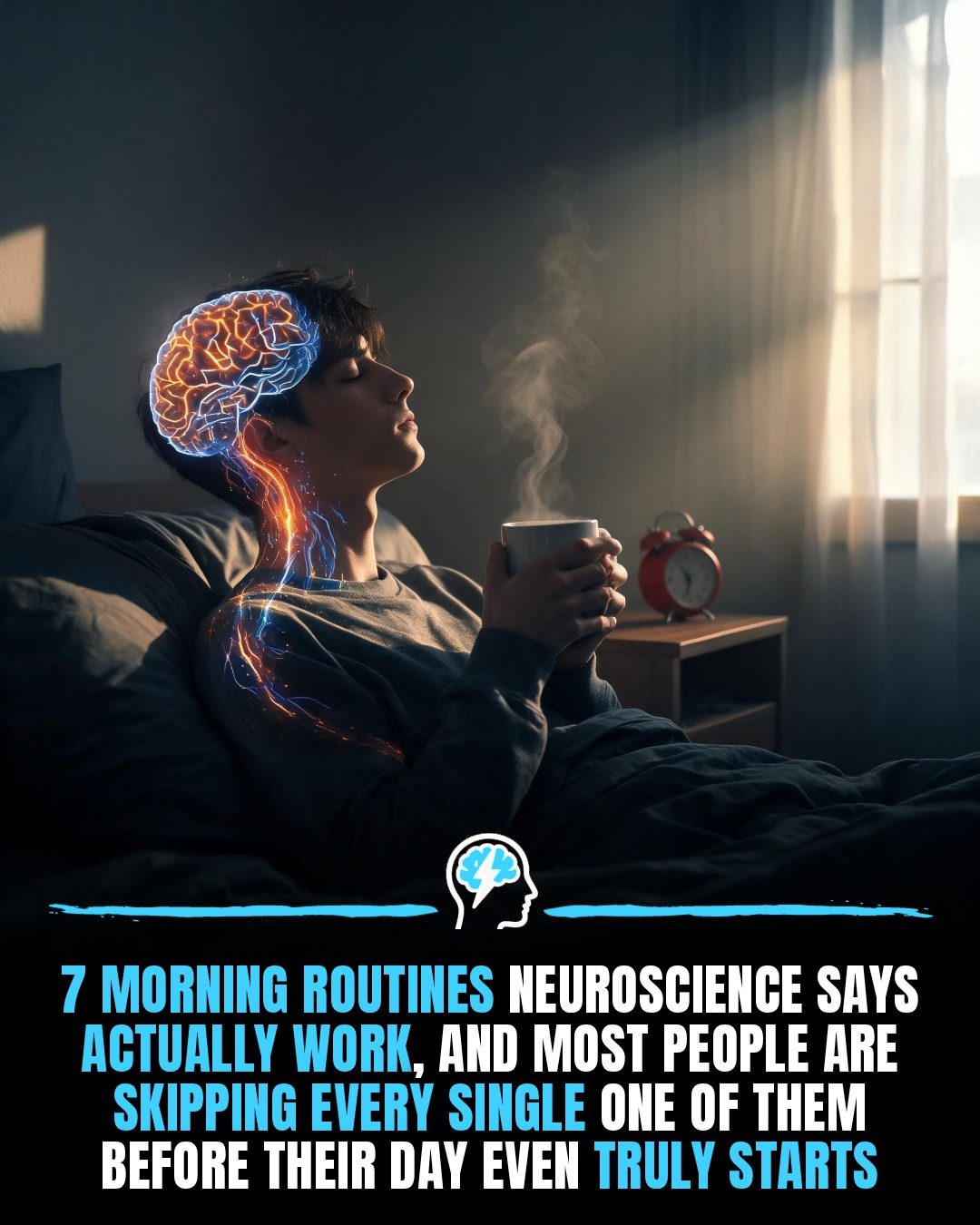
Morning Routines and Neuroscience
Morning routines play a crucial role in shaping your day. They set the tone before the rest of your waking hours unfold. Understanding the neuroscience behind morning routines can offer valuable insights into why they matter and how to maximize their benefits. Neuroscience supports the idea that morning routines are beneficial. Many people are skipping their morning routines.
The first 30 minutes after waking are particularly important because your brain moves through theta and alpha wave states. These states are linked to high suggestibility, creativity, and learning. However, a significant portion of people—about 73%—undermine this optimal brain state by immediately checking their phones, which forces the brain to skip its restorative processes and jump straight into a stressed beta mode. This triggers cortisol and dopamine loops before you've even left the bed, setting a stressful tone for the rest of the day.
These key points offer insight into the brain's state during morning routines, especially how skipping them can affect your productivity and mental state.
Why This Matters
The way you start your day can significantly impact your overall productivity, mood, and mental clarity. If you’re not mindful of how you begin your morning, you might be setting yourself up for a stressful and unproductive day. These first few minutes are critical for laying the groundwork for a successful day. Morning routines grounded in neuroscience can help you make the most of this time.
The Neuroscience of Morning Routines
Brain Wave States and Morning Routines
Understanding the different brain wave states is key to appreciating the importance of morning routines. Here’s a breakdown of the main types:
Theta Waves: These occur during deep sleep and are associated with creativity and intuition.
Alpha Waves: These are present during relaxed, wakeful states and are linked to learning and suggestibility.
Beta Waves: These waves are common during stress, alertness, and concentration, but too many can lead to anxiety and restlessness.
Delta Waves: Associated with deep, dreamless sleep.
Impact of Phones and Blue Light
That urge to check your phone the moment you wake up can disrupt the necessary transition through theta and alpha waves. The blue light emitted by screens can interfere with the production of melatonin, a hormone that regulates your sleep-wake cycle. This disruption can leave you feeling groggy and less alert, making it harder to start your day on the right foot.
Effective Morning Routines
Essential Resets
Natural Sunlight: Getting natural sunlight within 20 minutes of waking can help set your circadian rhythm and trigger serotonin production, which boosts your mood and energy levels.
Hydration: Drink water before caffeine. Your brain cells lose fluid overnight, and replenishing them can help improve cognitive function. Aim for 8-10 ounces of water before you have your morning coffee.
Timing Your Coffee: Wait 90 minutes after waking to drink coffee. This allows your body to clear adenosine naturally, which can help you avoid the afternoon crash.
Cognitive Strategies
Movement: A short walk or a few minutes of stillness can increase blood flow to your prefrontal cortex, the part of the brain responsible for decision-making and impulse control. This can help you start your day with a clearer mind.
Mindfulness and Visualization: Practicing mindfulness or visualization while still in the alpha state can help you set intentions for the day. This can make you feel more in control and focused on your goals.
Environmental Stimuli
Cold Showers: A 60-second cold shower can trigger a sustained release of dopamine and norepinephrine, giving you hours of natural energy.
High-Protein Breakfast: Pairing your cold shower with a high-protein breakfast can stabilize your blood sugar, helping you avoid brain fog and maintaining steady energy levels throughout the morning.
Practical Tips
Create a Morning Checklist
Writing down a simple checklist of things to do in the morning can help you stay on track and make sure you’re covering all the essentials. This could include hydrating, getting natural light, and engaging in a brief mindfulness session.
Establish a Bedtime Routine
A good morning starts the night before. Establishing a calming bedtime routine can help ensure you get a restful night’s sleep, making it easier to wake up refreshed and ready to face the day.
Consider a Morning Journal
Spend a few minutes journaling your thoughts, gratitude, or goals for the day. This can help you process any lingering emotions from the night and set a positive mindset for the day ahead.
Important Takeaways
The first 30 minutes of your day are a powerful blueprint for how the rest of it will unfold. Skipping morning routines can have a negative impact on your cognitive function, mood, and overall productivity. By incorporating essential resets, cognitive strategies, and environmental stimuli into your morning routine, you can set yourself up for a successful day.
Conclusion
Morning routines are more than just a sequence of actions; they are a deliberate way to set a positive and productive tone for the rest of your day. By understanding the neuroscience behind these routines and applying practical tips, you can make the most of your mornings and shape your day with intention.
Questions readers ask
Why are the first 30 minutes after waking so important for morning routines?
The first 30 minutes after waking are crucial because your brain is in a highly suggestible state, characterized by theta and alpha waves. During this time, your brain is primed for learning, creativity, and setting a positive tone for the day. This window is optimal for activities that support productivity and mental wellbeing.
What happens if I skip my morning routine?
Skipping your morning routine can disrupt the delicate balance of your brain's natural processes. This disruption can lead to increased stress levels and decreased productivity throughout the day. Rushing into tasks like checking your phone can force your brain to skip its restorative processes, leaving you feeling less prepared for the day ahead.
How can I harness the benefits of morning routines for productivity?
To maximize productivity, use the first 30 minutes to engage in activities that promote mental clarity and focus. This could include mindfulness practices, gentle exercise, or planning your day. Avoid immediately checking your phone or engaging in stressful tasks, as these can hinder the brain's natural restorative processes.
What role does dopamine play in morning routines?
Dopamine, a neurotransmitter associated with reward and motivation, can be influenced by your morning routine. Engaging in enjoyable and productive activities upon waking can stimulate dopamine release, setting a positive tone for the rest. This can help maintain motivation and productivity throughout the day.
How can morning routines support creativity?
Morning routines support creativity by aligning with the brain's theta and alpha wave states, which are conducive to creative thinking. Engaging in creative activities during the first 30 minutes, such as journaling, brainstorming, or artistic pursuits, can enhance your creative output and set a positive, imaginative tone for the day.
What are some natural ways to improve my daily routine?
To improve your daily routine, consider starting with small, manageable changes that align with your natural rhythms. Incorporate activities that promote relaxation and focus, such as meditation, deep breathing, or light stretching, during the first 30 minutes after waking. Gradually build more activities into your routine as you adapt to the new habits.
What are the benefits of a natural morning routine for stress reduction?
A natural morning routine can significantly reduce stress by providing a sense of structure and control. Engaging in calming activities like meditation, journaling, or gentle exercise during the first 30 minutes can help mitigate the stress response, setting you up for a more balanced and productive day.
Related deep dives
Similar reads based on topic and creator.



Recent articles
Fresh deep dives from the latest Reels we unpacked.




Comments
Be the first to comment.