The Metallic Transformation: Anodizing Body Jewelry
Creating body jewelry is an art form that blends creativity with technical precision. One of the most fascinating techniques in this craft is titanium anodizing, a process that can transform a plain metal piece into a vibrant, colorful masterpiece in just seconds.
Why This Matters
Anodizing is a process that not only enhances the aesthetic appeal of body jewelry but also significantly improves its durability. Understanding this process can help jewelry makers produce more attractive and long-lasting pieces, and it can help consumers appreciate the craftsmanship behind their accessories.
What is Anodizing?
Anodizing is an electro-chemical process that creates a protective oxide layer on the surface of metals like titanium and aluminum. This layer is not just a cosmetic enhancement; it also shields the metal from corrosion, making it more resistant to rust and wear.
The Color Transformation
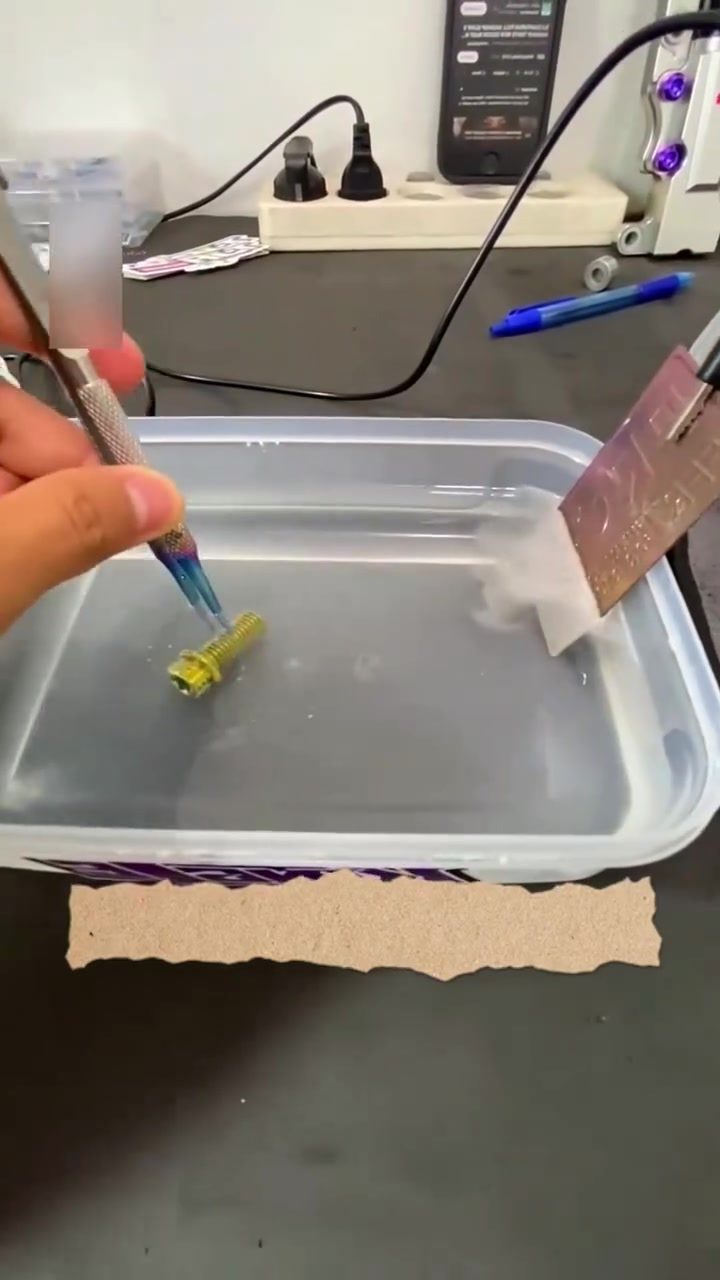
The most visually striking aspect of anodizing is the color change. When a silver titanium screw is dipped into an electrolyte solution—essentially water with a small electric current—an invisible oxide layer forms on the metal's surface. This layer, though transparent, interacts with light in a way that produces a rainbow of colors. The exact color depends on the thickness of the oxide layer, which can be controlled by adjusting the voltage:
- Around 15 volts produces a golden hue.
- 25 volts results in a rich blue.
- 70 volts yields a deep purple.
This phenomenon is similar to the way light reflects off a puddle after rain, creating a spectrum of colors due to light interference.
The Process
The process begins with an ordinary metal piece, in this case, a titanium screw. The screw is placed in a solution of water (an electrolyte) and tweezers, which are charged, are dipped into it. The moment the tweezers touch the liquid, bubbles start to fizz, and the color begins to set on the metal's surface. This rapid transformation is not a trick of the eye or a special effect; it's a result of the oxide layer forming and interacting with light.
Practical Tips for Anodizing
Materials Needed
To anodize body jewelry, you will need:
- Titanium or aluminum metal pieces
- An electrolyte solution (usually water with a small amount of acid)
- A power supply to provide the electric current
- Tweezers or a similar tool to hold the metal pieces
- A container for the electrolyte solution
Steps to Anodize
- Prepare the Metal: Ensure the metal is clean and free of any oils or contaminants.
- Set Up the Electrolyte Solution: Fill a container with the electrolyte solution.
- Connect the Power Supply: Attach the positive end of the power supply to the metal piece and the negative end to the electrolyte solution.
- Dip the Metal: Use tweezers to dip the metal into the solution. The color will start to form almost immediately.
- Adjust the Voltage: Experiment with different voltages to achieve the desired color. Remember, higher voltages produce different colors.
- Rinse and Dry: Once the desired color is achieved, rinse the metal in clean water and dry it thoroughly.
Safety Precautions
- Always wear protective gloves and eyewear when handling chemicals and electric currents.
- Ensure the area is well-ventilated.
- Follow safety guidelines for handling and disposing of the electrolyte solution.
Common Mistakes to Avoid
- Inconsistent Voltage: Ensure the voltage is stable to achieve an even color.
- Inadequate Cleaning: Dirty metal can affect the quality of the anodized layer.
- Improper Drying: Residual moisture can cause discoloration over time.
Important Takeaways
Quality and Durability
Anodizing not only enhances the beauty of body jewelry but also makes it more durable. The protective oxide layer prevents corrosion and rust, extending the life of the piece. This is particularly important for body jewelry, which is often exposed to harsh conditions.
Creative Possibilities
The ability to control the color through voltage adjustment opens up a world of creative possibilities. Whether you're aiming for a subtle, understated look or a bold, vibrant statement, anodizing allows you to achieve it.
Practical Applications
Beyond body jewelry, anodizing is used in various industries, from aerospace to automotive, to protect metal parts and enhance their aesthetic appeal. Understanding the process can open up new avenues for experimentation and innovation in jewelry making.
Conclusion
Anodizing is a fascinating and practical technique that adds both beauty and durability to body jewelry. By understanding the process and mastering the technique, you can create stunning, long-lasting pieces that stand out. Whether you're a hobbyist or a professional, the art of anodizing offers endless possibilities for creativity and innovation.
Related deep dives
Similar reads based on topic and creator.



Recent articles
Fresh deep dives from the latest Reels we unpacked.




Comments
Be the first to comment.