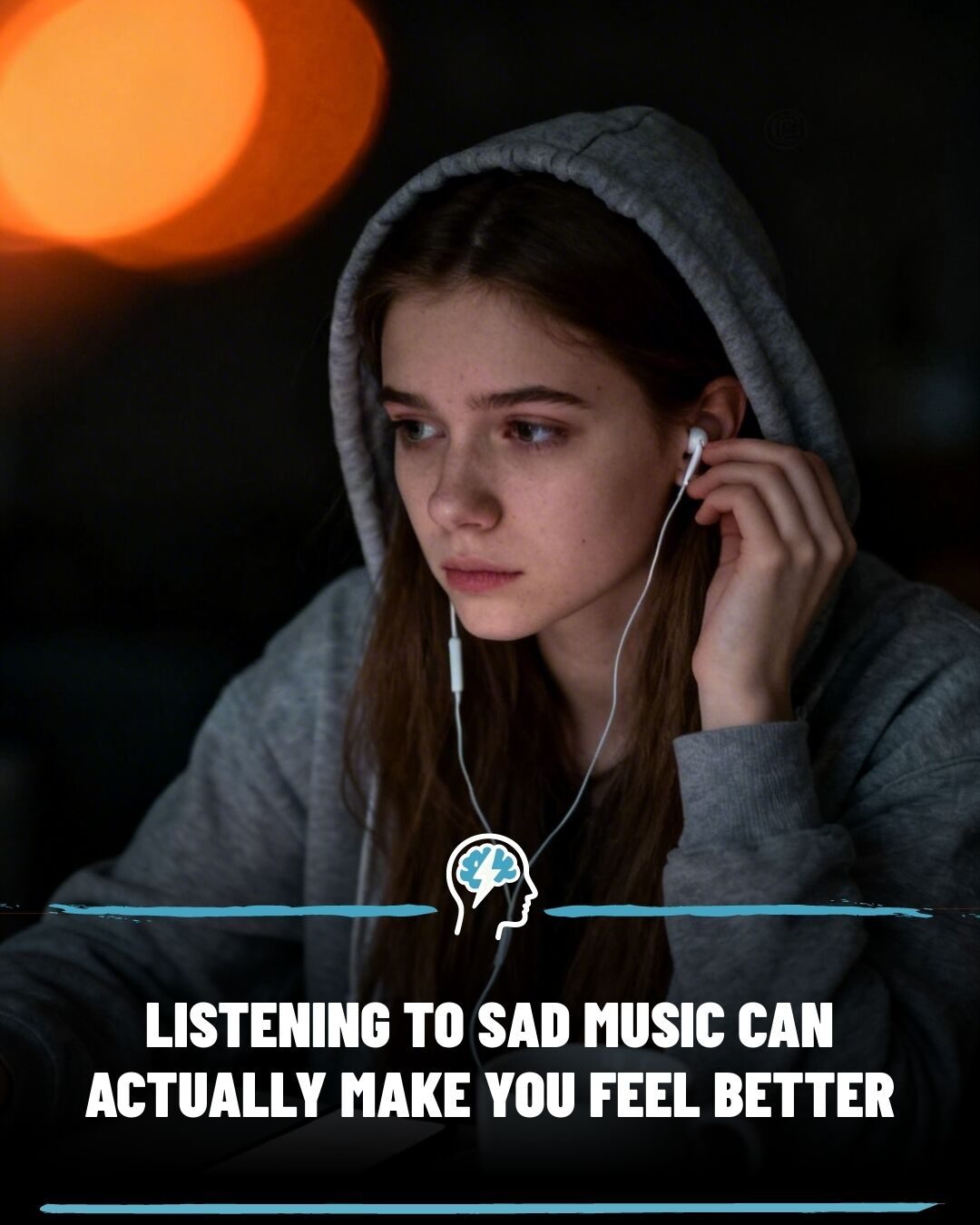
Sad Music and Feeling Better
Music is a universal language that can evoke a wide range of emotions. When you're feeling down, sad music might seem like the last thing you'd want to listen to. However, there's a growing body of research suggesting that melancholic tunes can actually provide comfort and emotional relief.
Why This Matters
Understanding the connection between sad music and emotional well-being can offer new ways to cope with difficult feelings. It challenges the intuitive idea that happy music is always the best remedy for a low mood. Instead, it shows that music can be a versatile tool for emotional processing, helping you manage and even alleviate negative feelings.
The Science Behind Sad Music
When you perceive sad music as non-threatening and aesthetically pleasing, it can create a safe space for you to experience and process difficult emotions. This concept is known as "emotional homeostasis restoration." Essentially, the music allows you to reflect on your feelings without the real-world consequences of actual sad events. This process can be incredibly soothing, even when the lyrics or melody are melancholic.
Research also links sad music to something called empathic engagement. People who are highly empathetic often experience positive emotions while listening to sorrowful songs. The music can help listeners feel understood and emotionally connected, even when they are alone. It acts as a safe container for feelings you might otherwise struggle to express. The combination of melodic beauty and emotional content allows for a gentle release of pent-up emotions.
The Role of Empathy
Empathy plays a significant role in how people react to sad music. Those with higher levels of empathy are more likely to find comfort in sorrowful songs. This is because the music resonates with their emotional state, making them feel less alone in their feelings. Listening to sad music can create a sense of connection and understanding, even when you're physically isolated.
Personal and Emotional Factors
It's important to note that everyone's experience with sad music is unique. What feels comforting to one person may not work the same way for another. Your personal relationship with a particular song, your current emotional state, and your personality all play a role in how you respond to melancholic tunes. This variability means that sad music isn't a one-size-fits-all solution, but it can be a powerful tool for many.
Practical Tips
When you're feeling down, consider trying a few of these strategies:
-
Create a Sad Playlist: Compile a playlist of songs that resonate with your current emotional state. The key is to choose music that feels comforting and non-threatening to you.
-
Mindful Listening: Pay close attention to the lyrics and melody. Try to understand why the music is affecting you the way it is. This mindfulness can enhance the emotional processing benefits of sad music.
-
Use Music as Part of a Broader Approach: While sad music can be a helpful tool, it's not a replacement for professional support. If you're experiencing persistent low mood or mental health challenges, it's important to reach out to a qualified professional.
-
Explore Different Genres: Sad music comes in many forms, from classical to heavy metal. Don't be afraid to experiment with different genres to find what works best for you.
-
Combine Music with Other Activities: Listening to sad music while engaging in other activities, such as journaling or exercise, can enhance its emotional processing benefits.
Important Takeaways
- Melancholic Music Can Be Comforting: Sad music can provide emotional relief and comfort, even in times of sadness.
- Empathy Enhances the Experience: People with higher levels of empathy are more likely to find comfort in sorrowful songs.
- Personalize Your Playlist: Your relationship with a particular song, your current emotional state, and your personality all play a role in how you respond to sad music.
- Use Music as a Tool: Music can be a powerful tool for emotional processing, but it works best as part of a broader approach to well-being.
- Seek Professional Help When Needed: If you're experiencing persistent low mood or mental health challenges, reaching out to a qualified professional is always the right move.
Conclusion
The next time you reach for that sad playlist, remember that your instincts might be guiding you towards a healthier emotional state. Sad music can be a powerful tool for processing and managing difficult emotions, offering comfort and connection when you need it most. Whether you're feeling down or simply seeking a deeper emotional experience, melancholic tunes can provide the space and support you need.
Questions readers ask
How does listening to sad songs help improve my mood?
Listening to sad music can help improve your mood by providing a safe space to process and release negative emotions. It allows you to connect with your feelings and find comfort in shared human experiences, which can lead to a sense of relief and emotional release.
What are the benefits of sad music when feeling down?
Sad music can offer benefits such as emotional validation, helping you feel less alone in your feelings and making it easier to acknowledge and process them. It also encourages introspection and can be a source of solace, providing a means to navigate complex emotions.
Why does sad music have a power to influence our emotional state?
Sad music has the power to influence our emotional state by triggering the release of certain hormones and neurotransmitters, such as oxytocin, that promote bonding and relaxation. Additionally, it can stimulate the brain's reward centers, making us feel good and helping us manage negative emotions.
Can music help in processing emotions, even if it's sad?
Yes, even sad music can help in processing emotions. By engaging with melancholic tunes, you can create a space to reflect on your feelings, gain a deeper understanding of your emotional experiences, and find a sense of resolution, thus helping you move forward.
How does listening to sad songs provide emotional relief?
Listening to sad songs provides emotional relief by allowing you to safely experience and express your emotions. It acts as a catalyst for emotional processing, enabling you to confront and work through negative feelings in a controlled environment, ultimately leading to a sense of relief and catharsis.
Is it beneficial to listen to sad music for mental health?
Yes, listening to sad music can be beneficial for mental health. It can help reduce stress and anxiety by providing an outlet for emotional expression. It also promotes self-awareness and self-soothing, helping individuals better understand and manage their emotional states, and ultimately enhancing mental well-being.
How can music be a tool for emotional processing?
Music can be a tool for emotional processing by serving as a conduit for expressing and validating emotions. It resonates with our emotional core, allowing us to explore and release pent-up feelings. It also helps us connect with others who may share similar experiences, fostering a sense of belonging and understanding.
Related deep dives
Similar reads based on topic and creator.



Recent articles
Fresh deep dives from the latest Reels we unpacked.




Comments
Be the first to comment.