Archaeological Discovery: Unveiling a Royal Mayan Burial
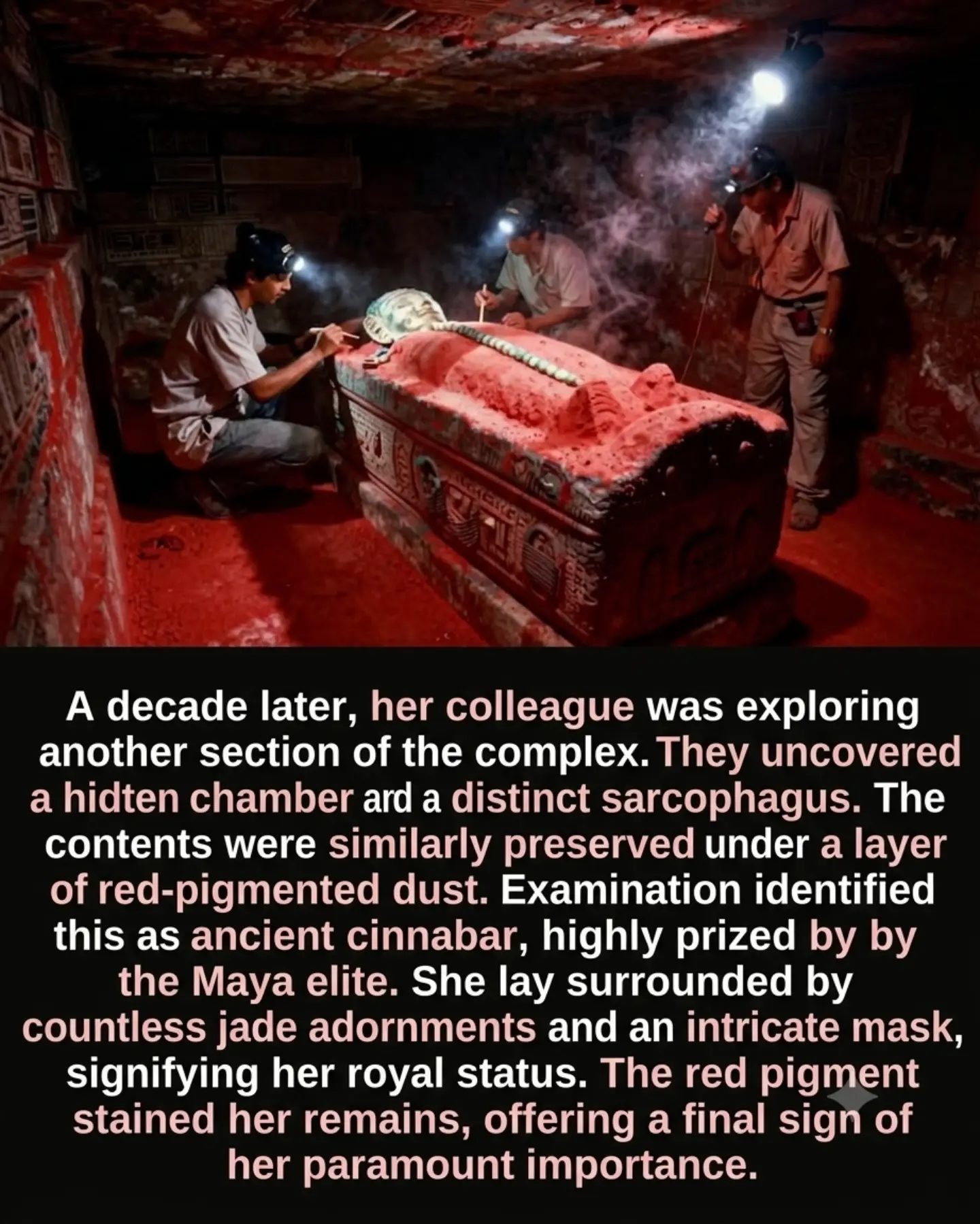
In a significant archaeological find, researchers uncovered a sarcophagus in an ancient Mayan complex. The discovery sheds light on the royal status of the individual buried within, as well as the rich cultural practices of the Mayan civilization.
Context / Why this matters
Archaeological discoveries like this one are pivotal in deepening our understanding of ancient cultures. The Mayan civilization, known for its advanced architectural and astronomical achievements, continues to fascinate researchers and enthusiasts alike. This particular discovery is especially intriguing because it provides direct evidence of royal burials and the use of specific materials that signified high status.
Main discussion
The Discovery and Its Significance
The sarcophagus was found in an ancient Mayan complex, a location that has already yielded numerous significant artifacts. The discovery was made by a colleague of a previous researcher, indicating a continued effort to explore and understand this site. The sarcophagus itself was covered in a layer of red-pigmented dust, identified as cinnamabar, a mineral known for its vibrant red color. This pigment is not just aesthetically significant; it also has deep cultural and symbolic meanings.
Cinnamabar, also known as cinnabar, is a toxic mercury sulfide mineral that has been used in various cultures for its bright red color. In the Mayan context, the use of cinnamabar in burials is not unprecedented, but its presence in this particular sarcophagus adds layers of complexity to the interpretation of the burial practices and the status of the individual interred.
The Royal Burial and Associated Artifacts
The sarcophagus contained the remains of a Mayan royal, surrounded by jade and a mask. Jade, a precious stone highly valued by the Mayans, is often associated with royalty and high status. The inclusion of jade artifacts in the burial suggests that the individual was of significant importance. The mask, another vital artifact, likely played a ceremonial role, further emphasizing the royal status of the deceased.
The red pigment that stained the remains is particularly noteworthy. The on-screen text mentions that the red pigment offered a final sign of the deceased's paramount importance, suggesting that the use of cinnamabar was not merely decorative but held deeper cultural and spiritual significance. The pigment's presence indicates that the burial was carefully planned and executed, reflecting the high regard in which the deceased was held.
Cultural and Symbolic Implications
The use of cinnamabar and jade in the burial provides valuable insights into Mayan funerary practices and the symbolic meanings attached to these materials. Cinnamabar, with its striking red color, is often associated with life, vitality, and the supernatural in many cultures. In the Mayan context, it likely symbolized the deceased's transition to the afterlife and their continued importance in the spiritual realm.
Jade, on the other hand, is a stone that the Mayans believed had protective properties and was often associated with fertility and rebirth. The jade artifacts found in the sarcophagus, including the mask, likely served as protective talismans for the deceased in their journey to the afterlife. The mask, in particular, may have symbolized the deceased's identity and status in the afterlife, ensuring that they were recognized and respected by the gods and ancestral spirits.
Practical tips
For Archaeologists
For those involved in archaeological research, this discovery underscores the importance of thorough exploration and documentation. The intricate details of the burial, including the use of cinnamabar and jade, highlight the need for meticulous examination and analysis. Future excavations in similar sites should pay close attention to the context and symbolic meanings of artifacts, as they can provide profound insights into ancient cultural practices.
For History Enthusiasts
For those interested in history and archaeology, this discovery is a reminder of the richness and complexity of the Mayan civilization. Exploring ancient sites and artifacts offers a unique window into the past, allowing us to understand the lives, beliefs, and practices of ancient people. Visiting archaeological sites, museums, and reading scholarly articles can enrich your understanding and appreciation of historical cultures.
Important takeaways
- The discovery of a royal Mayan burial highlights the significance of pigment and materials in ancient funerary practices.
- Cinnamabar, a red-pigmented mineral, was used to signify the royal status of the deceased.
- Jade artifacts, including a mask, were included in the burial, emphasizing the high status of the individual and serving as protective talismans.
- The use of specific materials in burials offers valuable insights into the cultural and symbolic practices of the Mayan civilization.
Conclusion
The discovery of this royal Mayan burial, complete with cinnamabar and jade artifacts, offers a rare glimpse into the funerary practices and cultural beliefs of the Mayan civilization. The meticulous planning and execution of the burial, as well as the symbolic meanings attached to the artifacts, provide valuable insights into the lives and beliefs of the ancient Mayans. This discovery underscores the importance of continued exploration and analysis in the field of archaeology, as each find brings us one step closer to understanding the rich tapestry of human history.
Related deep dives
Similar reads based on topic and creator.



Recent articles
Fresh deep dives from the latest Reels we unpacked.




Comments
Be the first to comment.