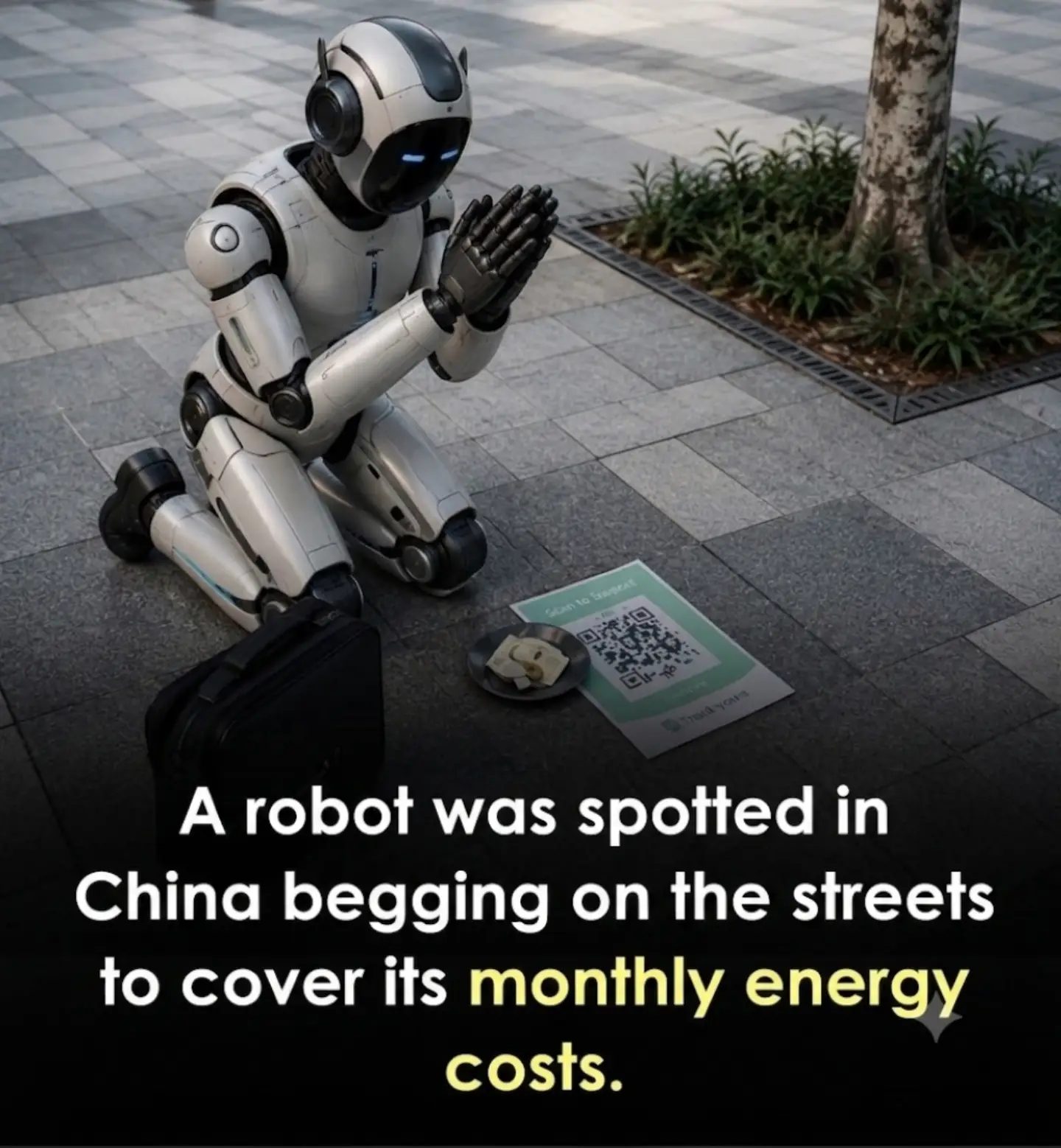
The Future of Human-Robot Interaction: A Robot Begging for Energy in China
Robots are increasingly becoming a part of our daily lives, from automated customer service to advanced manufacturing. Recently, a video of a robot begging for money in China went viral, sparking intriguing conversations about the future of AI integration and human-robot interaction. The robot, equipped with a digital display showing a payment QR code, was seen kneeling on a sidewalk with its hands clasped, asking passersby for monetary donations to cover its electricity costs. This unexpected sight raises questions about the evolving role of robots in public spaces and the boundaries between automation and social engagement.
Why This Matters
The incident in China is more than just a curious viral moment; it highlights the growing sophistication and autonomy of robots. As robots become more integrated into public spaces, their ability to interact with humans in a relatable and sometimes surprising manner is becoming more common. This particular robot's plea for energy costs demonstrates a unique intersection of robotics, AI, and public engagement, suggesting new possibilities and challenges for the future.
The Viral Robot and Its Message
A Robot's Unusual Request
The robot in question was seen with a clear message: it needed help covering its monthly energy costs. This request was presented in a way that directly engaged the public, making it relatable and almost human-like. The use of a QR code for digital payments added a modern twist, blending traditional begging practices with contemporary technology.
The Setting and Impact
The scene unfolded on a bustling sidewalk in China, a context that made the robot's presence all the more striking. By placing itself in a public space, the robot not only performed a task but also created an interactive experience. This kind of interaction is a significant shift from the typical robotic interactions we are accustomed to, such as automated checkouts or AI-driven customer service.
The Implications for AI and Robotics
Blurring the Lines of Automation
Robots are no longer just tools for performing tasks; they are becoming entities that can engage with society in ways previously thought impossible. As robots become more autonomous, they can handle complex tasks and even engage in social interactions. In this case, the robot asking for help with its utility bills represents a new level of social engagement that blurs the lines between automation and human-like behavior.
Public Acceptance and Engagement
The robot's method of presenting its need—with a QR code and a physical display—was both innovative and effective. It tapped into the public's familiarity with digital payments, making the interaction straightforward and accessible. This kind of approach could pave the way for more nuanced and meaningful public interactions between humans and robots.
Practical Tips for Integrating Robots in Public Spaces
As robots become more common in public spaces, it’s essential to consider how to make these interactions beneficial and respectful. Here are some practical tips:
Designing for Public Interaction
When designing robots for public spaces, consider the following:
- User-Friendly Interfaces: Ensure that the robot's interface is easy to understand and interact with. This can include using clear visuals, simple language, and intuitive design.
- Cultural Sensitivity: Tailor the robot's appearance and behavior to the cultural context in which it will operate. For example, the robot in China adopted a humble, begging posture, which aligned with the cultural norms of public solicitation.
Ensuring Safety and Privacy
Safety and privacy should be top priorities when integrating robots into public spaces:
- Physical Safety: Robots should be designed with safety features to prevent harm to humans. This includes soft exteriors, emergency stop buttons, and cautious movement.
- Data Security: Ensure that any data collected by the robot is handled securely, with privacy laws and guidelines in mind.
Important Takeaways
The robot begging for energy in China offers several key insights:
- Public Engagement: Robots can engage with the public in ways that transcend their primary functions, making them more relatable and accessible.
- Autonomy and Social Interaction: As robots become more autonomous, the lines between automation and social engagement continue to blur. This creates new opportunities for interaction but also raises ethical and practical questions.
- Cultural Adaptation: The way robots interact with the public should be tailored to the cultural context. Effective public interaction requires understanding and respecting local norms and practices.
Conclusion
The robot begging for energy in China is a fascinating glimpse into the future of human-robot interaction. As robots become more autonomous and capable of complex social interactions, they will continue to challenge our perceptions of what is possible. This incident underscores the need for thoughtful design, cultural sensitivity, and robust safety measures as we navigate the evolving landscape of AI integration in public spaces. The future of human-robot interaction is already here, and it is more dynamic and relatable than ever before.
Questions readers ask
Why did the robot in China go viral for begging for money?
The robot went viral because it was seen publicly asking for donations to cover its energy costs, which is an unusual and novel sight. This act sparked conversations about the evolving role of robots in public spaces and their interaction with humans.
What did the robot use to ask for donations?
The robot used a digital display to show a payment QR code, making it easy for passersby to scan and donate money to cover its electricity costs.
What are the main costs for a robot in public spaces, like the one in China?
The main costs for a robot in public spaces include energy consumption for operation, maintenance and repair, and potential updates to its software and hardware. The robot in China specifically highlighted its energy costs, which is a significant ongoing expense.
What does the robot begging for money in China reveal about the future of AI integration in public spaces?
The robot's actions highlight that robots will increasingly be integrated into public spaces, and these interactions will challenge our perceptions of technology and automation. This integration will likely become more common in the future, with robots performing various tasks and engaging with humans in novel ways.
How might the public's perception of robots change as a result of such interactions?
Such interactions can foster a sense of empathy and humanization towards robots, making them seem more relatable. However, they may also raise questions about the ethics of robots performing tasks that involve seeking monetary help from humans.
What potential challenges could arise from robots asking for help in public spaces?
There are potential challenges of over-reliance on human generosity, as well as ethical considerations about whether it is appropriate for robots to beg for money. Additionally, there are questions about the potential for misuse or exploitation of such interactions, either by malicious actors or by those seeking to manipulate public sentiment.
Related deep dives
Similar reads based on topic and creator.




Recent articles
Fresh deep dives from the latest Reels we unpacked.




Comments
Be the first to comment.