Relationship Trends in Modern Dating
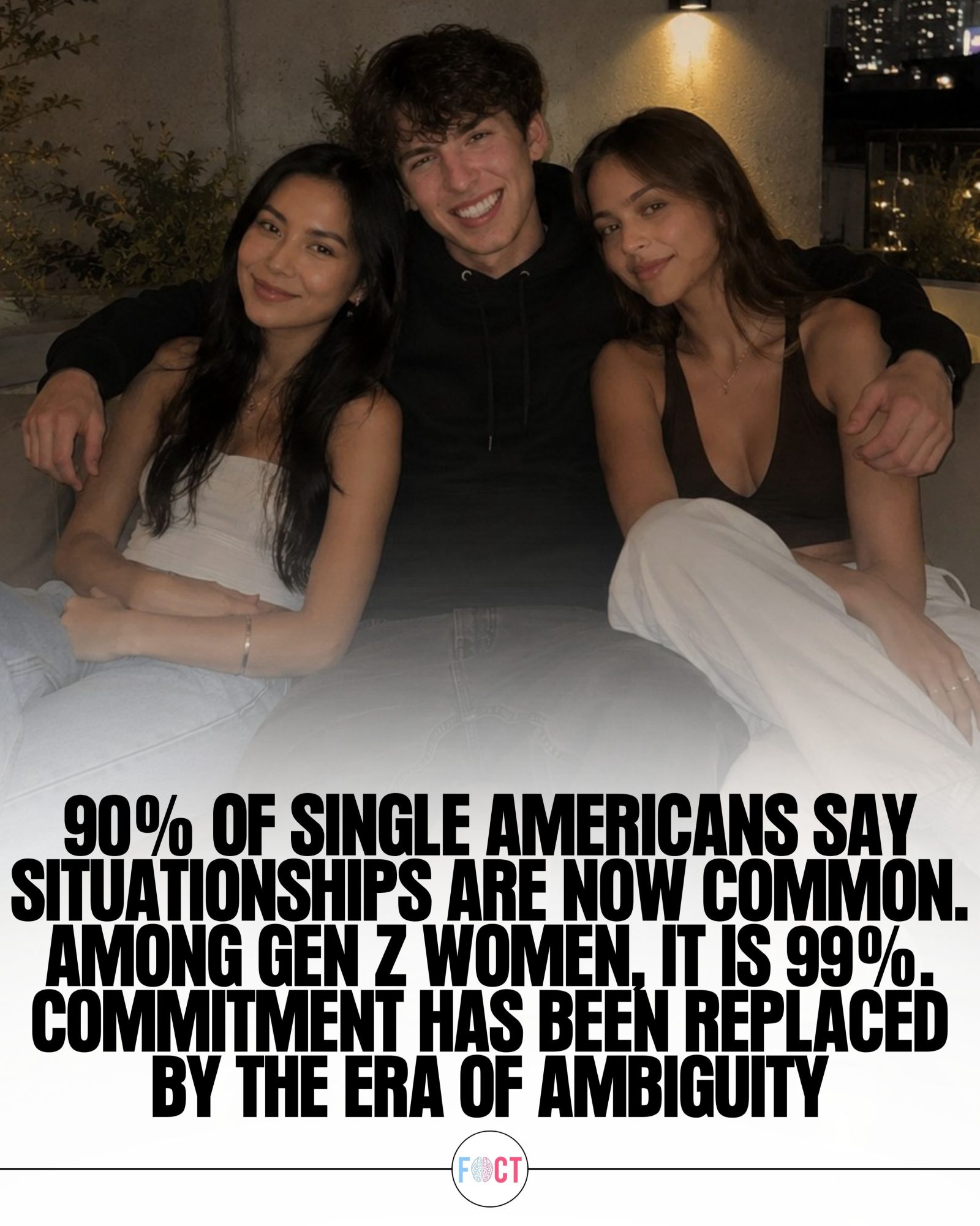
The 2026 dating survey by Modern Gents found that situationships, relationships marked by ambiguous labels and lack of commitment, have become a dominant trend. According to the survey, 90% of single Americans now view situationships as common. For Gen Z women, this figure skyrockets to 99%. While 94% of women across age groups consider situationships the norm, 85% of men agree. These findings underscore a significant shift in modern dating culture.
Why This Matters
The rise of situationships highlights a broader change in how people engage in romantic relationships. The survey's insights reveal a disconnect between what different individuals expect from a relationship. This lack of mutual understanding can lead to confusion and mismatched expectations.
Defining the Shift from Commitment to Ambiguity
Understanding Situationships
Situationships, characterized by their fluid and undefined nature, have gained widespread popularity. Unlike traditional relationships, situationships lack clear labels or defined commitments. The 2026 survey shows that a significant majority of single Americans now find themselves in these types of relationships.
Generational Differences
Gen Z women, in particular, are at the forefront of this trend. The survey highlights that 99% of Gen Z women view situationships as common. This figure is crucial as it indicates a generational shift in attitudes toward relationships.
Women overall are more likely to embrace this ambiguity, with 94% acknowledging situationships as the norm, compared to 85% of men. This gender difference is noteworthy, as it reflects varying perspectives on how relationships should be defined and navigated.
The Impact of Ambiguity
Mismatched Expectations
The survey underscores a concerning trend: only 37% of Gen Z men believe becoming “official” requires an explicit conversation. This discrepancy can lead to situations where one person assumes exclusivity, while the other believes nothing has been formally decided. Such misunderstandings can cause emotional turmoil and confusion.
The Role of Conversation
Clear communication is more important now than ever. The disconnect in how people define relationships often arises from a lack of explicit conversations. Both partners should engage in honest and open dialogue to ensure they are on the same page. For example, discussing boundaries, expectations, and mutual respect can help avoid misunderstandings.
Practical Tips for Navigating Situationships
Communicate Clearly
The first step in navigating a situationship is to engage in open and honest communication. Both partners should express their feelings, expectations, and boundaries clearly.
Define Boundaries
Establishing clear boundaries can help prevent misunderstandings. Whether it's about exclusivity, time spent together, or emotional involvement, mutual agreement on boundaries is crucial.
Regular Check-Ins
Regular check-ins can help maintain clarity and ensure both partners are on the same page. These check-ins can be informal, but they should be frequent enough to address any emerging concerns or changes in expectations.
Respect Each Other’s Views
It’s important to respect each other's views and feelings. If one person feels uncomfortable or uncertain, the other should be open to addressing these concerns rather than dismissing them.
Important Takeaways
The 2026 survey by Modern Gents highlights several key points:
- Situationships have become a dominant trend, especially among Gen Z women and younger adults.
- There is a gender difference in how situationships are perceived, with women being more likely to view them as the norm.
- Communication plays a crucial role in managing expectations and avoiding misunderstandings.
Conclusion
The rise of situationships in modern dating underscores a broader shift in how people approach romantic relationships. While this trend highlights the complexity of modern dating, it also emphasizes the importance of clear communication and mutual respect. Whether you are in a situationship or a traditional relationship, open dialogue and mutual understanding are essential for navigating the complexities of modern romance.
Questions readers ask
What exactly are situationships and why are they becoming so prevalent?
Situationships are romantic connections that lack clear labels or commitments, such as being a boyfriend or girlfriend. They are becoming more common due to a shift in dating culture, with 90% of single Americans now considering them the norm, according to the 2026 dating survey by Modern Gents. This trend is even more pronounced among Gen Z women, with 99% viewing situationships as common.
Are there significant differences in how men and women view situationships?
Yes, there is a notable difference. The survey found that 94% of women across all age groups consider situationships to be the norm, while 85% of men agree. This indicates that women are slightly more likely to view situationships as a common aspect of modern dating culture.
Why are situationships problematic for some people?
Situationships can lead to confusion and mismatched expectations. Since they lack clear labels and commitment, individuals may have different ideas about what the relationship entails. This disconnect can result in frustration and misunderstanding, making it difficult for both parties to know where they stand.
How can one navigate a situationship effectively?
To navigate a situationship, open communication is key. It’s important to discuss boundaries, expectations, and what each person hopes to get out of the relationship. While situationships are ambiguous, having clear conversations can help manage expectations and avoid misunderstandings, even if the relationship remains label-free.
What are the key differences between situationships and traditional relationships?
Traditional relationships typically involve clear labels, such as 'boyfriend' or 'girlfriend,' and come with a mutual understanding of commitment. Situationships, on the other hand, are marked by ambiguity and lack of clear definitions. This can lead to uncertainty about the future and the nature of the connection, which is a significant difference from the more structured framework of traditional relationships.
Are situationships a generational issue or does it affect everyone?
The data shows that situationships are prevalent across generations, but they are particularly common among Gen Z. The survey revealed that 99% of Gen Z women view situationships as the norm, but significant portions of other age groups also share this perspective, indicating that the trend affects a broad range of daters, not just the youngest generation.
How might the rise of situationships change the future of dating?
The increasing prevalence of situationships suggests a shift in how people approach romantic connections. As more individuals embrace these ambiguous, label-free relationships, it could lead to a broader acceptance of non-traditional dating norms. This trend may influence how people communicate their needs and boundaries, potentially leading to more open and flexible approaches to relationships in the future.
Related deep dives
Similar reads based on topic and creator.




Recent articles
Fresh deep dives from the latest Reels we unpacked.




Comments
Be the first to comment.