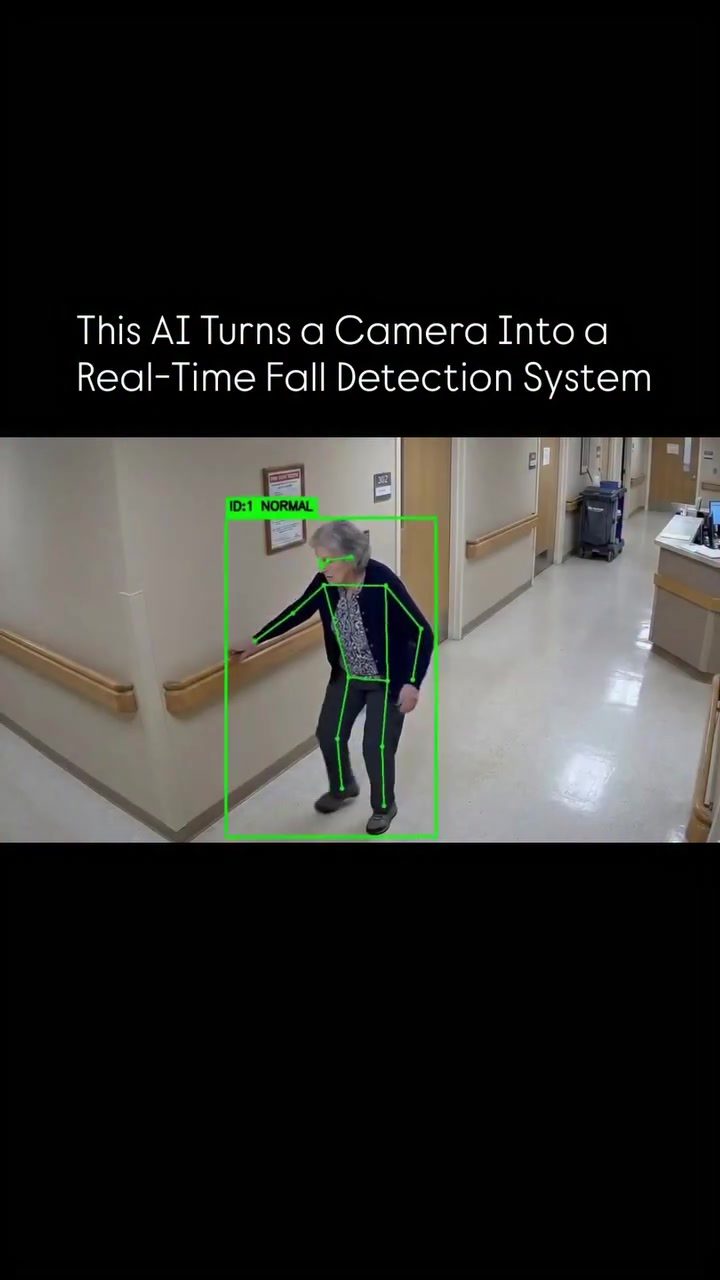
Fall Detection Systems: Real-Time Monitoring for Safety
Fall detection systems are becoming increasingly important, especially for elderly individuals living alone. These systems use advanced AI and camera technology to monitor for falls and alert caregivers or emergency services in real-time. Let's delve into how these systems work, their benefits, and what the future holds for this innovative technology.
Context / Why this matters
Falls are a significant concern for elderly individuals, especially those living alone. According to recent statistics, falls are the leading cause of fatal and non-fatal injuries among older adults. Fall detection systems offer a proactive solution by providing real-time monitoring and immediate alerts, ensuring that help is on the way as soon as a fall is detected.
Main discussion
How Fall Detection Systems Work
Fall detection systems use a combination of computer vision and AI to monitor for falls. The basic pipeline involves several key steps:
- Camera Input: The system uses a camera to capture video footage of the monitored area.
- Human Pose Estimation: The AI extracts body keypoints such as the head, shoulders, elbows, hips, knees, and ankles, representing the person as a skeletal structure.
- Movement Analysis: A deep-learning model analyzes how these keypoints change over time to detect abnormal movements indicative of a fall.
- Fall Detection: The system identifies the person's status (normal, falling, fallen) and provides a timestamp when a fall is detected.
- Alert System: If a fall is detected, the system sends an alert to caregivers or emergency services.
The Importance of Temporal Information
Simply seeing someone on the floor doesn't necessarily mean they've fallen. The system's ability to track movements over time is crucial. A typical sequence might look like this: standing → rapid downward movement → loss of balance → horizontal posture → remains down. This temporal information helps the system distinguish between a fall and other activities.
Privacy and Security
One of the most interesting aspects of these systems is their focus on privacy. Instead of continuously analyzing a person’s identity or storing the entire video, the system extracts key body points and represents the person as a skeleton. This allows the AI to make decisions based on movement patterns rather than storing identifiable information, enhancing privacy and security.
Practical Tips
Setting Up a Fall Detection System
- Choose the Right Camera: Select a camera with a wide field of view and good low-light performance to ensure comprehensive coverage.
- Place the Camera Strategically: Position the camera in areas where falls are likely to occur, such as bathrooms, hallways, and living rooms.
- Ensure High-Speed Processing: Opt for systems that can process video in real-time, ideally running on edge hardware to minimize latency.
- Integrate Alert Systems: Ensure the system can send alerts to multiple contacts, including family members, caregivers, and emergency services.
Ensuring Privacy
- Local Processing: Choose systems that process visual information locally and transmit only alerts, rather than continuously sending video to the cloud.
- Secure Data Storage: If data storage is necessary, ensure it is encrypted and complies with privacy regulations.
- Regular Updates: Keep the system's software and firmware up to date to protect against security vulnerabilities.
Important Takeaways
Real-Time Monitoring
Real-time fall detection systems provide immediate alerts, which can be crucial in emergencies. The ability to detect and respond to falls promptly can significantly reduce the risk of serious injuries.
Privacy Preservation
The use of skeletal representation and local processing enhances privacy, making these systems more acceptable for home deployment. This combination of computer vision, edge AI, and privacy-preserving processing is a game-changer in home monitoring technology.
Future Developments
Recent research has demonstrated real-time systems running on edge hardware, achieving high frame rates for fall detection. Future developments could include even more sophisticated AI models, improved privacy measures, and broader integration with other smart home devices.
Conclusion
Fall detection systems represent a significant advancement in home safety technology. By turning an ordinary camera into a real-time fall detection sensor, these systems provide a proactive solution for monitoring elderly individuals. The combination of computer vision, edge AI, and privacy-preserving processing makes these systems not only effective but also highly secure and user-friendly. As technology continues to evolve, we can expect even more innovative solutions to enhance safety and privacy in our homes.
Questions readers ask
How do AI fall detection systems with cameras work?
AI fall detection systems use cameras equipped with advanced algorithms to analyze movement patterns in real-time. When a fall is detected, the system immediately triggers an alert to notify caregivers or emergency services. This process ensures that help is dispatched promptly, even if the individual is unable to call for assistance.
Are there privacy concerns with using cameras for fall detection?
Privacy is a valid concern when using cameras for fall detection. Reputable systems employ end-to-end encryption and local data processing to ensure that video footage is not stored or transmitted without consent. Additionally, many systems allow for customizable privacy settings, such as turning off the camera when not needed, to offer peace of mind.
What makes AI-powered fall detection more effective than traditional systems?
AI-powered fall detection systems offer greater accuracy and reliability compared to traditional systems. Instead of relying on motion sensors, AI algorithms analyze visual data to differentiate between normal movements and falls. This reduces false alarms and ensures that genuine emergencies are promptly addressed, offering better protection for elderly individuals.
How quickly can fall detection systems respond to an emergency?
AI fall detection systems are designed to respond in real-time, typically within seconds of detecting a fall. Once a fall is identified, the system instantly sends alerts to caregivers or emergency services, ensuring that help is dispatched as quickly as possible. This rapid response time is crucial for minimizing the impact of falls and providing timely medical assistance.
Can fall detection systems be integrated into existing home setups?
Yes, many fall detection systems are designed to be easily integrated into existing home setups. They often come with user-friendly installation processes and can be connected to various smart home devices. This compatibility allows for a seamless addition to the home environment, ensuring that elderly individuals can benefit from fall detection technology without significant disruptions.
What are the benefits of using smart camera fall detection for seniors?
Smart camera fall detection provides continuous, non-intrusive monitoring for seniors, offering peace of mind for both the individual and their caregivers. These systems can detect and respond to falls even during nighttime, ensuring round-the-clock safety. Additionally, they can track daily activities, providing valuable insights into the individual's well-being and mobility.
How do fall detection algorithms improve over time?
Fall detection algorithms improve over time through machine learning. By continuously analyzing data from various scenarios, the algorithms learn to distinguish between normal movements and falls more accurately. This iterative learning process enhances the system's ability to provide reliable and precise fall detection, adapting to the unique needs and behaviors of individual users.
Related deep dives
Similar reads based on topic and creator.




Recent articles
Fresh deep dives from the latest Reels we unpacked.




Comments
Be the first to comment.