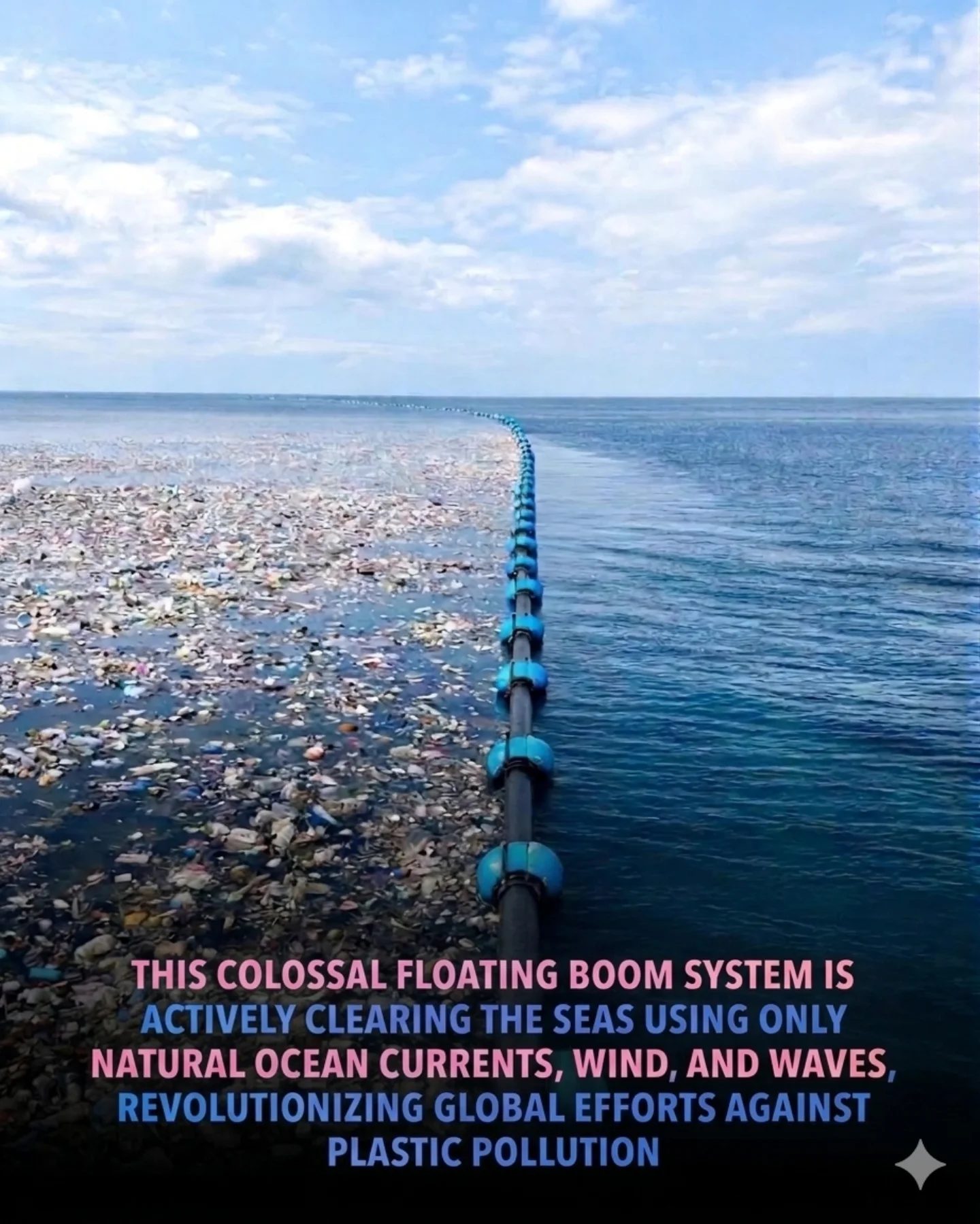
Floating Boom Systems: Revolutionary Technology for Ocean Cleanup
Floating boom systems represent a cutting-edge approach to combating plastic pollution in our oceans. These colossal structures are designed to actively clear the seas using natural ocean currents, wind, and waves, making them a revolutionary force in global cleanup efforts.
Context: The Plastic Pollution Crisis
Plastic pollution is a pervasive and growing problem in our oceans. Estimates suggest that millions of tons of plastic waste enter the oceans each year, with devastating consequences for marine life and ecosystems. Traditional cleanup methods, such as manual beach cleanups, are often inadequate to tackle the scale of the problem. This is where floating boom systems come into play, offering a more sustainable and efficient solution.
Main Discussion
The Design and Function of Floating Boom Systems
Floating boom systems are characterized by their passive design, which means they do not rely on external power sources like fuel or electricity. Instead, they utilize the natural forces of the ocean—currents, wind, and waves—to move and collect plastic debris. This design is not only environmentally friendly but also cost-effective, as it reduces the need for ongoing operational expenses.
The core component of the system is a long, floating pipe that acts as an artificial coastline. This barrier is designed to catch plastic on the surface while allowing marine life to swim safely beneath it. By concentrating and capturing plastic debris, these systems aim to significantly reduce the amount of waste circulating in our oceans.
How Floating Boom Systems Work
The primary objective of floating boom systems is to target areas of high plastic concentration, such as the Great Pacific Garbage Patch. These systems are deployed in strategic locations where natural ocean currents converge, creating a sort of "plastic trap." As the plastic waste accumulates at the surface, the boom system collects it, making it easier to remove from the ocean.
Environmental Impact
The environmental impact of floating boom systems is substantial. By focusing on large-scale extraction, these systems address the root cause of plastic pollution rather than just its symptoms. Unlike manual cleanups, which can be labor-intensive and often fail to make a significant dent in the overall problem, floating boom systems offer a more sustainable and efficient solution. They harness the ocean's own energy to clear decades of accumulated waste, making them a revolutionary shift in conservation efforts.
Key Areas of Operation
One of the most notable areas where floating boom systems are deployed is the Great Pacific Garbage Patch. This vast expanse of plastic waste, located in the North Pacific Ocean, is a stark reminder of the scale of the plastic pollution problem. By targeting high-concentration areas like this, floating boom systems can make a significant impact on reducing the overall amount of plastic in our oceans.
Practical Tips for Supporting Ocean Cleanup Efforts
While floating boom systems are a powerful tool in the fight against plastic pollution, there are also practical steps that individuals and communities can take to support these efforts:
Reduce, Reuse, Recycle
One of the most effective ways to combat plastic pollution is to reduce our reliance on single-use plastics. By opting for reusable items, recycling plastic waste, and supporting initiatives that reduce plastic production, we can help alleviate the burden on our oceans.
Participate in Local Cleanup Efforts
While floating boom systems are designed to tackle large-scale plastic pollution, local cleanup efforts are also crucial. Participating in beach cleanups, river cleanups, and other community-driven initiatives can help prevent plastic waste from entering the ocean in the first place.
Advocate for Policy Changes
Advocating for policies that reduce plastic production and promote more sustainable practices is another important step. By supporting legislation that holds manufacturers accountable for their plastic waste and encourages the development of eco-friendly alternatives, we can help create a more sustainable future for our oceans.
Important Takeaways
The Power of Natural Forces
The use of natural ocean currents, wind, and waves to power floating boom systems highlights the potential for innovative, sustainable solutions to complex environmental problems. By harnessing the ocean's own energy, these systems offer a more efficient and environmentally friendly approach to cleanup efforts.
The Impact of Large-Scale Extraction
Targeting high-concentration areas like the Great Pacific Garbage Patch allows floating boom systems to make a significant impact on reducing plastic pollution. This large-scale approach is crucial for addressing the root cause of the problem and preventing further environmental degradation.
The Role of Community and Policy
While floating boom systems are a powerful tool, they are just one part of a broader solution. Community involvement and policy changes are essential for creating a sustainable future for our oceans. By taking practical steps to reduce plastic waste and supporting initiatives that promote environmental stewardship, we can all play a role in protecting our oceans.
Conclusion
Floating boom systems represent a groundbreaking advancement in the fight against ocean plastic pollution. By utilizing natural ocean currents, wind, and waves, these systems offer a sustainable and efficient solution to a pressing environmental challenge. While these innovative technologies are making a significant impact, it's also crucial for individuals and communities to support ocean cleanup efforts through practical steps and policy advocacy. By working together, we can create a cleaner, healthier future for our oceans and the marine life that calls them home.
Questions readers ask
How do floating boom systems work to collect ocean plastic?
Floating boom systems utilize natural ocean currents, wind, and waves to passively collect and concentrate plastic waste. These systems are designed to target high-concentration areas, allowing them to gather plastic without requiring extensive manual intervention or energy use.
Are floating boom systems safe for marine life?
Yes, one of the key advantages of floating boom systems is their eco-friendly design. They are constructed to allow marine life to pass safely underneath while concentrating plastic waste at the surface, ensuring minimal harm to aquatic organisms.
What makes floating boom systems a cost-effective solution for ocean plastic pollution?
Floating boom systems are cost-effective because they operate passively, harnessing natural forces to collect waste. This reduces the need for expensive equipment, fuel, or labor, making them a more sustainable and economically viable solution for large-scale waste management.
Can floating boom systems be used in all ocean environments?
Floating boom systems are designed to be versatile and can be deployed in various ocean environments, from calm waters to areas with strong currents. However, their effectiveness may vary depending on local conditions, and they are typically most useful in areas with high plastic concentrations.
How do floating boom systems contribute to reducing the overall plastic pollution in the seas?
By targeting and collecting plastic in high-concentration areas, floating boom systems help to reduce the overall amount of plastic in the ocean. This concentrated collection makes it easier to manage and dispose of the waste, preventing further degradation and environmental impact.
What are the benefits of using natural currents and wind for ocean cleanup systems?
Using natural currents, wind, and waves for ocean cleanup systems reduces the need for mechanical power and labor, making the process more sustainable and cost-effective. Additionally, these natural forces are continuously available, ensuring the systems can operate indefinitely.
How do floating boom systems compare to traditional ocean cleanup methods?
Unlike traditional methods, such as manual beach cleanups, floating boom systems can handle large-scale plastic pollution more efficiently. They work continuously, covering vast ocean areas and collecting waste in a more effective and environmentally friendly manner.
Related deep dives
Similar reads based on topic and creator.




Recent articles
Fresh deep dives from the latest Reels we unpacked.




Comments
Be the first to comment.