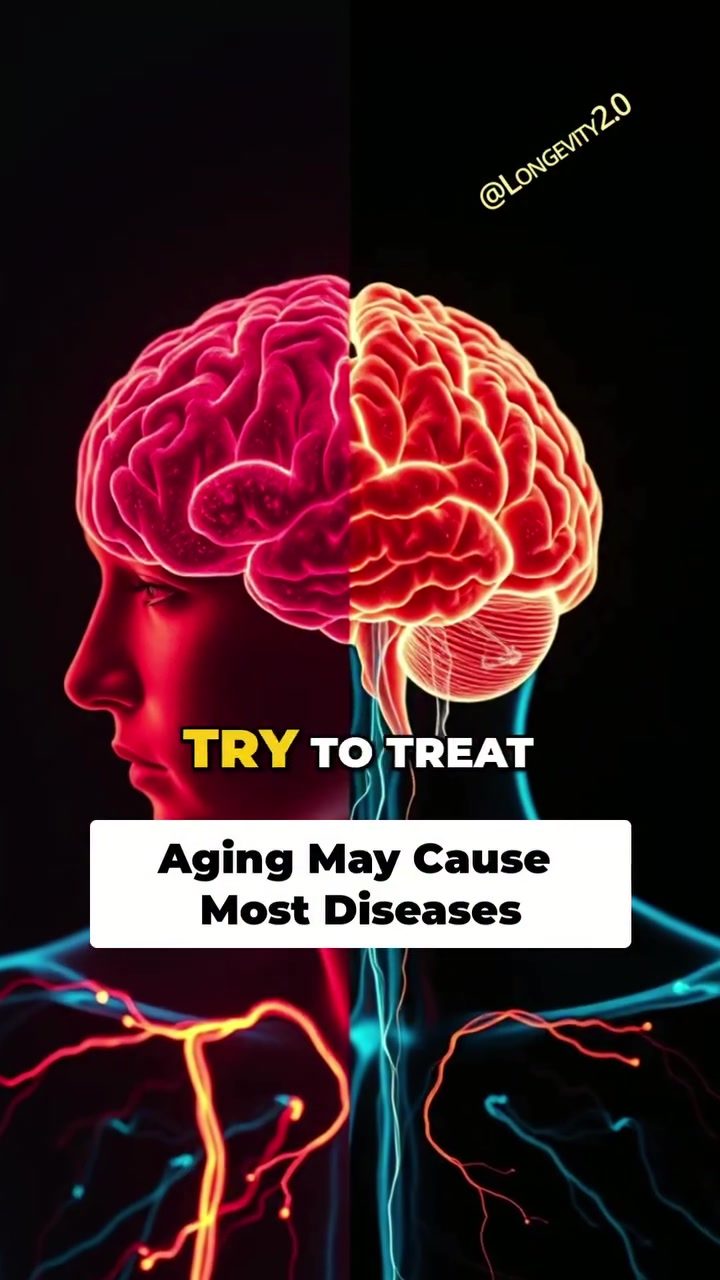
Understanding the Link Between Aging and Disease: A New Perspective
Aging is more than just a natural process; it's a fundamental driver of many diseases, including Alzheimer's, cancer, and heart disease. This perspective shifts the focus from treating individual diseases to addressing the underlying process of aging itself. By understanding this connection, we can explore new avenues for preventing and treating age-related conditions.
Why This Matters
Traditionally, diseases like Alzheimer's, cancer, and heart disease have been treated as separate, unrelated conditions. Each has its own set of medications and treatment protocols. However, what if these diseases share a common root cause? What if aging is not just a risk factor but the primary driver behind many of these conditions?
David Sinclair, a prominent researcher in the field of longevity, argues that aging is the underlying process that allows many age-related diseases to develop. This perspective is supported by studies in his lab, where researchers create mouse models of diseases like Alzheimer's. By reversing aspects of biological aging in these animals, they observe a remarkable improvement in disease features. This isn't because they are directly targeting Alzheimer's; it's because they are addressing the aging process that underlies it.
The Connection Between Aging and Disease
The Role of Aging in Disease Development
Aging is a complex process that involves the gradual deterioration of the body's cells, tissues, and organs. As we age, our bodies become less efficient at repairing damage and maintaining homeostasis. This decline in function makes us more susceptible to a wide range of diseases.
For example, consider Alzheimer's disease. While genetics play a role, the risk of developing Alzheimer's increases significantly with age. This is because the aging brain is more vulnerable to the accumulation of harmful proteins and the loss of neurons. Similarly, heart disease and cancer are also more prevalent in older adults, as the aging body is less able to repair damage and eliminate cancerous cells.
Reversing Aging to Treat Disease
One of the most compelling aspects of Sinclair's research is the idea that reversing aging could potentially reverse or even prevent many age-related diseases. This concept is based on the observation that young bodies have a remarkable ability to repair and maintain themselves. As biological aging progresses, these protective mechanisms decline, leading to disease.
In his lab, Sinclair and his team have shown that by reversing certain aspects of biological aging, they can improve the health and lifespan of animals with diseases like Alzheimer's. This suggests that the future of medicine may not be about treating dozens of diseases one by one. Instead, it could be about addressing the biology of aging itself.
Practical Tips for Promoting Longevity and Brain Health
Lifestyle Changes
While research into longevity and aging is ongoing, there are several practical steps you can take to promote longevity and brain health. Here are some key strategies:
-
Exercise Regularly: Regular physical activity helps maintain cardiovascular health, reduces inflammation, and promotes brain function. Aim for at least 30 minutes of moderate exercise most days of the week.
-
Eat a Balanced Diet: A diet rich in fruits, vegetables, lean proteins, and whole grains provides the nutrients your body needs to function optimally. Avoid processed foods, sugary drinks, and excessive alcohol.
-
Get Enough Sleep: Quality sleep is essential for both physical and mental health. Aim for 7-9 hours of sleep per night to support your body's repair and maintenance processes.
-
Stay Mentally Active: Engaging in mentally stimulating activities, such as reading, puzzles, and learning new skills, can help maintain cognitive function and reduce the risk of age-related cognitive decline.
-
Manage Stress: Chronic stress can accelerate aging and increase the risk of age-related diseases. Practice stress-reducing techniques such as meditation, deep breathing, and yoga.
Emerging Therapies
In addition to lifestyle changes, there are several emerging therapies that show promise in promoting longevity and brain health. Here are a few areas of research to watch:
-
Senolytic Therapies: Senolytic therapies are designed to eliminate senescent cells, which are cells that have stopped dividing and accumulate in the body as we age. These cells contribute to inflammation and tissue damage, and removing them may help slow the aging process.
-
Stem Cell Therapies: Stem cell therapies involve using stem cells to repair and regenerate damaged tissues. This approach has shown promise in treating a range of age-related conditions, including heart disease, neurodegenerative diseases, and joint disorders.
-
Nutraceuticals: Nutraceuticals are natural compounds found in food that have health-promoting properties. Examples include resveratrol, found in red wine and grapes, and curcumin, found in turmeric. These compounds have been shown to have anti-inflammatory, antioxidant, and anti-aging effects.
Important Takeaways
- Aging is a fundamental driver of many diseases, including Alzheimer's, cancer, and heart disease.
- Reversing aging could potentially reverse or prevent many age-related diseases.
- Lifestyle changes, such as regular exercise, a balanced diet, and stress management, can promote longevity and brain health.
- Emerging therapies, including senolytic and stem cell therapies, show promise in addressing the biology of aging.
Conclusion
The connection between aging and disease is a complex and rapidly evolving field of study. By understanding that aging is not just a risk factor but the underlying process that allows many age-related diseases to develop, we can explore new avenues for prevention and treatment. Whether through lifestyle changes, emerging therapies, or a combination of both, addressing the biology of aging itself may hold the key to a healthier, longer life.
Questions readers ask
How does reversing aging relate to treating diseases like Alzheimer's and cancer?
Reversing aging holds promise for treating diseases like Alzheimer's and cancer by targeting the fundamental processes that drive both aging and these conditions. By addressing aging, researchers hope to develop more effective and comprehensive treatments for a range of age-related diseases, rather than focusing on each disease individually.
What are some key findings in longevity research that support treating aging to prevent disease?
Longevity research has shown that interventions targeting aging can delay or even reverse age-related diseases. For example, studies on reversing aging in mice have demonstrated significant improvements in health and lifespan, suggesting similar benefits could be achieved for humans.
Can you explain the connection between aging and brain health, particularly in the context of Alzheimer's disease?
Aging significantly impacts brain health, with factors like inflammation, oxidative stress, and cellular senescence all contributing to cognitive decline and Alzheimer's disease. By treating the aging process, researchers aim to mitigate these harmful effects and improve brain health in older individuals.
How does focusing on aging differ from traditional approaches to treating chronic diseases?
Traditional approaches often treat each chronic disease independently, using specific medications and protocols. In contrast, focusing on aging involves addressing the underlying processes that contribute to multiple age-related conditions, potentially leading to more holistic and effective treatments.
What role do emerging aging research studies play in enhancing our understanding of disease prevention?
Emerging aging research studies are crucial for uncovering new insights into the mechanisms of aging and its relationship with various diseases. These studies help identify potential targets for interventions, paving the way for innovative strategies to prevent and treat age-related conditions.
Recent articles
Fresh deep dives from the latest Reels we unpacked.




Comments
Be the first to comment.