Aging Reversal Research
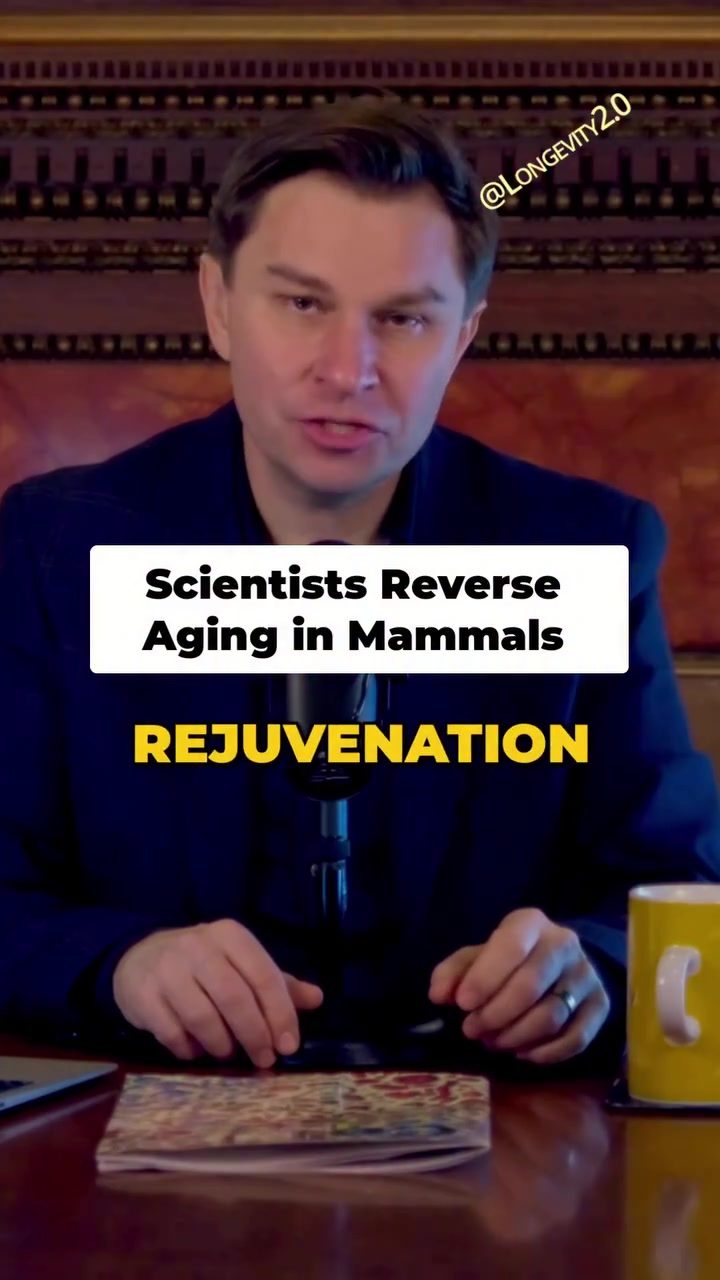
Recent advancements in aging research have revealed groundbreaking findings on how cells retain and utilize a backup copy of their youthful state. These discoveries suggest that aging is not merely the accumulation of damage, but may also involve the loss of biological information necessary for cell function. David Sinclair's research on OSK reprogramming offers compelling evidence that aging can potentially be reversed.
Context / Why this matters
Understanding the mechanisms of aging and finding ways to reverse or slow it down is crucial for extending healthy lifespan and reducing the burden of age-related diseases. The retina, being part of the central nervous system, serves as a valuable model for studying these processes.
Main discussion
OSK Reprogramming and Epigenetic Rejuvenation
OSK reprogramming is a technique that involves treating cells with a combination of Oct4, Sox2, and Klf4 (OSK) transcription factors. This treatment has shown promising results in reversing age-related changes in mammalian cells. Studies on aged mice have demonstrated that after OSK treatment:
- Vision improved significantly
- DNA methylation patterns, which are biomarkers of biological aging, became more youthful
- Biological age markers moved in a younger direction
- Cells maintained their identity while regaining youthful function
This is a critical finding because the goal of OSK reprogramming is not to turn cells into stem cells but to help old cells remember how to behave like younger versions of themselves.
The Role of the Epigenome
One analysis focused on the epigenome, specifically DNA methylation patterns. These patterns change predictably with age and serve as biomarkers of biological aging. After OSK treatment, these patterns became more youthful, indicating that the actual biological clock could be reset. The study suggested that mammalian cells retain a backup copy of this youthful epigenetic information, which can be accessed and restored to reestablish youthful patterns of gene expression.
Broader Implications
The broader significance of these findings extends way beyond vision. The retina is part of the central nervous system (CNS). Demonstrating regeneration and functional recovery in the CNS suggests that potential applications could include:
- Neurological conditions: Such as Alzheimer's disease
- Hearing loss
- Spinal injuries
- Muscle aging
- Heart health
- Skin and other tissues
The principle that aged tissues can be epigenetically rejuvenated likely applies to many other parts of the body. The eye, thus, serves as a proof of concept for these possibilities.
Practical tips
While the research is still in its early stages, there are practical steps you can take to support your cellular health:
- Stay informed: Keep up-to-date with the latest research in longevity and aging. Subscribe to newsletters and follow reputable sources in the field.
- Healthy lifestyle: Maintain a balanced diet, engage in regular physical activity, and get adequate sleep. These habits support overall health and may help slow down aging processes.
- Stress management: Chronic stress can accelerate aging. Practice stress-reduction techniques such as meditation, deep breathing, or yoga.
- Regular check-ups: Regular medical check-ups can help detect age-related changes early, allowing for timely intervention.
Important Takeaways
The idea that aging is a one-way process is being challenged by new research. Scientists are now exploring the possibility that aging is, at least in part, reversible. The retina, with its regenerative capabilities, provides a valuable model for understanding and potentially treating age-related decline in other tissues.
Conclusion
The discovery that cells retain a backup copy of their youthful state opens up exciting possibilities for future medical interventions. While we are still in the early stages of this research, the potential applications are vast, ranging from neurodegenerative diseases to muscle aging and beyond. As we continue to unravel the complexities of aging, we move closer to a future where age-related decline is not an inevitable part of life.
Questions readers ask
What is OSK reprogramming and how does it work?
OSK reprogramming is a innovative technique that involves using a combination of transcription factors—Oct4, Sox2, and Klf4—to help cells regain youthful function. These factors work together to trigger a process that can reverse age-related changes in cells, making them function more like younger cells without altering their original cell type.
How does OSK reprogramming improve vision?
OSK reprogramming has shown potential in improving vision by reversing age-related changes in retinal cells. The technique can help rejuvenate cells in the retina, which is part of the central nervous system, leading to better visual function and potentially recovering lost vision.
What are the benefits of using OSK reprogramming for aging research?
OSK reprogramming provides a new avenue for researchers to explore the mechanisms of aging. By understanding how this process reverses age-related changes, scientists can gain insights into how to develop interventions that slow down or even reverse aging in various tissues and organs.
Can OSK reprogramming be used to treat all types of vision loss?
While OSK reprogramming shows promise for vision recovery, particularly in age-related vision loss, it is not a guaranteed treatment for all types of vision loss. Further research is needed to determine its efficacy and safety for different causes of vision impairment.
What makes the retina a valuable model for studying aging processes?
The retina is a valuable model for studying aging because it is part of the central nervous system and is easily accessible for observation and treatment. Changes in retinal cells can reflect broader aging processes in the body, making it a useful subject for researching interventions like OSK reprogramming.
What are the potential implications of OSK reprogramming for extending a healthy lifespan?
By reversing age-related changes in cells, OSK reprogramming could potentially extend a healthy lifespan by reducing the burden of age-related diseases. This could lead to improved overall health and quality of life as people age.
Recent articles
Fresh deep dives from the latest Reels we unpacked.




Comments
Be the first to comment.