Longevity and Aging Reversal
Recent advancements in longevity science have brought us closer to understanding the complex processes of aging. Research by David Sinclair and his team at LONGEVITY20 has shown that aging may not be as inevitable as once thought. The lab has achieved remarkable results in rejuvenating cells, making them biologically younger.
Why This Matters
Aging is a multifaceted process that involves not just the gradual wear and tear of the body but also the loss of cellular information. Recent scientific breakthroughs have shown that restoring this information could potentially reverse the signs of aging. This has profound implications for future health and longevity treatments, offering hope for age-related conditions that were once considered irreversible.
Main Discussion
The Science of Cellular Rejuvenation
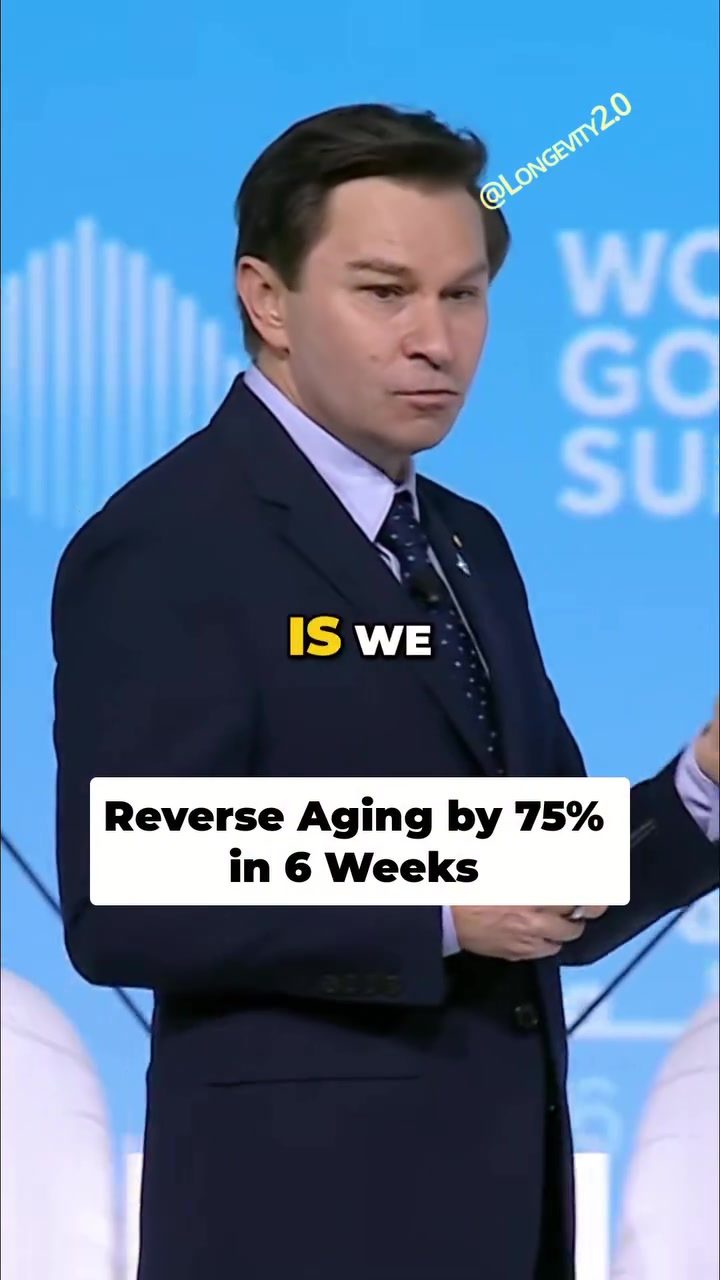
Cells can be rejuvenated using a subset of the Yamanaka factors, known as cellular "reset switches." These factors have the power to reverse cellular aging markers, restore function in aged tissues, and even rejuvenate complex organs like the eye and brain. In animal models, biological age was reversed by up to 75% in just six weeks. This groundbreaking discovery was presented by David Sinclair at the World Governments Summit 2020.
One of the most striking findings was the regeneration of damaged optic nerves in mice. These nerves, which are normally unable to regrow, were regenerated after epigenetic reprogramming. This process restored vision and repaired neural tissue, marking the first time age-related blindness was reversed in animals.
Important Findings
One crucial aspect of this research is the use of the Yamanaka genes. These genes act as a reset switch, allowing cells to be rejuvenated without losing their identity. Three of these genes were used to regenerate the optic nerves in mice, showcasing the potential of this method in treating age-related decline.
Overcoming Age-Related Blindness
The regeneration of optic nerves in mice is a significant milestone. Normally, once damaged, these nerves do not regrow. However, through the use of the Yamanaka genes, the researchers were able to regenerate these nerves, effectively curing blindness in the animals. This breakthrough suggests that similar methods could be applied to other age-related conditions, offering a new path for treatments.
Practical Tips
While these findings are promising, it’s important to note that human applications require extreme caution. Full reprogramming carries a risk of tumors, so partial reprogramming is being explored. This approach aims to reset the age of cells without erasing their identity, offering a safer route to potential longevity treatments.
Caution in Human Applications
Although the results in animal models are encouraging, applying these methods to humans requires careful consideration. Researchers are still in the early stages of understanding how to safely implement these techniques. Partial reprogramming, which focuses on resetting age without erasing cellular identity, is currently one of the most promising avenues for human applications.
Future Directions
The implications of these findings are profound. Aging may one day be modifiable, not inevitable. As research continues, scientists hope to develop treatments that can not only slow down the aging process but also reverse its effects. This could lead to new therapies for a wide range of age-related conditions, from vision loss to cognitive decline.
Important Takeaways
Aging is more than just wear and tear; it involves the loss of cellular information. Recent research has shown that restoring this information can reverse the signs of aging, offering new hope for age-related treatments. While human applications are still in the early stages, the potential for groundbreaking therapies is significant.
Conclusion
The work of David Sinclair and his team at LONGEVITY20 has opened a new chapter in our understanding of aging. By rejuvenating cells and reversing age-related decline, they have shown that aging may not be as permanent as once thought. As research continues, the hope is that these findings will translate into practical treatments, offering a brighter future for health and longevity.
Questions readers ask
What is cellular reprogramming and how does it relate to reversing aging?
Cellular reprogramming is a process that involves altering the genetic makeup of a cell to revert it to a younger, more functional state. This technique is at the forefront of reversing aging research, as it has the potential to restore cellular function and repair age-related damage.
How have scientists been able to reverse biological age in animal models?
Researchers, such as those at LONGEVITY20, have used a combination of genetic modifications and molecular interventions to reverse biological age in animals. They have achieved this by activating certain genes that promote cellular youth and rejuvenation, effectively making the cells biologically younger.
Can age-related blindness be reversed through cellular reprogramming?
Yes, studies have shown that cellular reprogramming can restore vision in mice with age-related blindness. By repairing the optic nerve and rejuvenating the cells in the eye, scientists have successfully reversed the effects of age-related vision loss. This offers promising prospects for treating similar conditions in humans.
What role do cells play in the aging process, and how can they be rejuvenated?
Cells play a crucial role in aging by losing information and functionality over time. Rejuvenating cells involves restoring this lost information, which can be achieved through techniques like cellular reprogramming. This process can reset the cell's aging process, enhancing its overall functionality and youth.
What are the potential benefits of reversing aging for future health treatments?
Reversing aging has the potential to revolutionize future health treatments by addressing a wide range of age-related conditions. By rejuvenating cells and restoring their functionality, scientists hope to tackle diseases that were once considered irreversible, improving overall health and longevity.
Are there any risks associated with cellular reprogramming for age reversal?
While cellular reprogramming holds great promise, it is still in the experimental stages. As with any biological intervention, there are potential risks, such as unintended genetic modifications or cell mutations. More research is needed to fully understand and mitigate these risks before human trials can begin.
Recent articles
Fresh deep dives from the latest Reels we unpacked.




Comments
Be the first to comment.