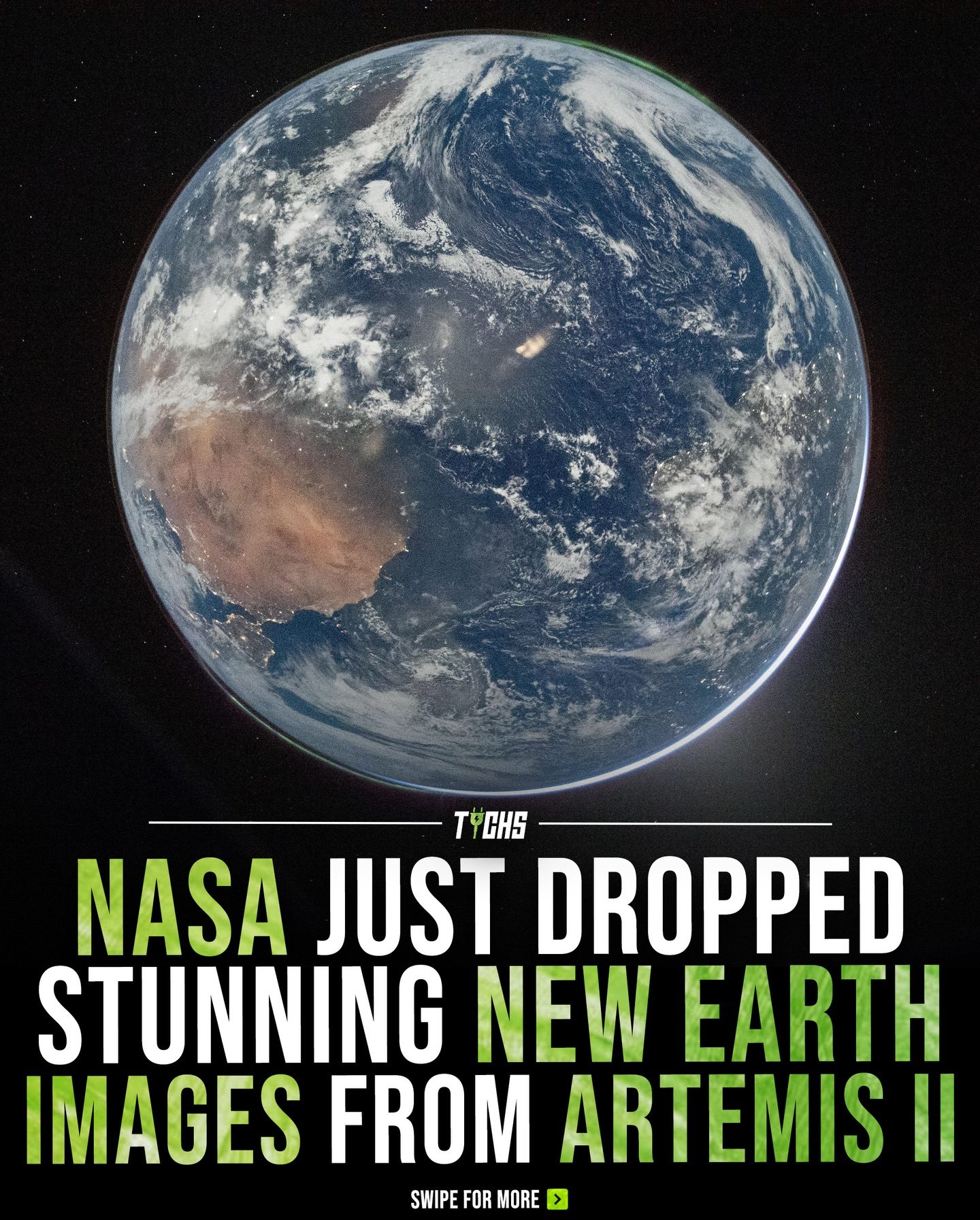
NASA's New Earth Images from Artemis II
NASA has recently released a breathtaking set of Earth images taken during the Artemis II mission. These images, captured from the Orion spacecraft, offer a fresh perspective on our home planet, showcasing its beauty and fragility from tens of thousands of miles away. The mission, which lasted for 10 days, is a significant step toward future lunar and Martian exploration.
Context / Why this matters
The Artemis II mission is more than just a sightseeing tour; it's a critical step in NASA's plans to return humans to the Moon and eventually send them to Mars. The mission's primary goal is to test the critical systems required for future landings, ensuring that humans can operate safely in deep space. This includes evaluating the spacecraft's performance, life support systems, and navigation capabilities.
The images captured during this mission are not merely aesthetic; they serve a scientific purpose as well. By studying these images, scientists can gain insights into Earth's atmospheric conditions, cloud patterns, and even the faint auroras that light up the night sky. This data is invaluable for understanding our planet's climate and weather patterns, as well as for planning future missions.
Main discussion
The Orion Spacecraft and Its Mission
The Orion spacecraft, designed to carry astronauts to the Moon and beyond, is a cornerstone of NASA's deep space exploration efforts. During the Artemis II mission, the spacecraft traveled tens of thousands of miles away from Earth, providing a unique vantage point for capturing images of our planet. The spacecraft's advanced cameras and sensors allowed for high-resolution images that reveal intricate details of Earth's surface and atmosphere.
Earth as a Distant Crescent
One of the most striking features of the images is the view of Earth as a distant crescent. This perspective highlights the thinness of our atmosphere and the delicate balance of conditions that make life on Earth possible. The visible cloud systems and faint auroras add a layer of complexity, showcasing the dynamic nature of our planet's weather and magnetic fields.
Historical Significance
The last time humans had a similar view of Earth was during the Apollo missions over 50 years ago. The Artemis II mission marks a powerful return to deep space photography, resuming a tradition that has been on hiatus for decades. This return is not just about revisiting the past but about paving the way for future exploration and understanding of our solar system.
Future Implications
The Artemis II mission is just the beginning. NASA's long-term plans include establishing a sustainable presence on the Moon, which will serve as a staging ground for eventual journeys to Mars. The data and insights gathered from this mission will be crucial in developing the technologies and procedures necessary for these ambitious endeavors.
Practical tips
If you're interested in staying informed about space news and future missions, here are some practical tips:
Stay Updated
Follow reliable sources like NASA's official website and social media channels for the latest updates on space exploration. These platforms provide real-time information, including images, videos, and detailed mission reports.
Engage with the Community
Join online communities and forums dedicated to space exploration. These platforms offer a wealth of knowledge and allow you to engage with fellow enthusiasts, scientists, and experts in the field.
Stay Informed About Space News
The on-screen text mentions a service that shares real-time space news. Keep an eye out for these updates to stay informed about the latest developments in space exploration.
Important takeaways
- The Artemis II mission has provided stunning new images of Earth, showcasing its beauty and fragility from a distant perspective.
- The mission is a critical step in NASA's plans to return to the Moon and eventually send humans to Mars.
- The images serve both aesthetic and scientific purposes, offering valuable data for studying Earth's climate and weather patterns.
- Future missions will build on the successes of Artemis II, paving the way for long-term lunar and Martian exploration.
Conclusion
The stunning images of Earth captured during the Artemis II mission offer a rare and inspiring view of our home planet. They serve as a reminder of the fragile beauty of Earth and the importance of continuing our exploration of the cosmos. As NASA prepares for future missions, these images will inspire and guide the next generation of space explorers.
Questions readers ask
What is the Artemis II mission and why is it important?
Artemis II is a NASA mission designed to test critical systems for future lunar and Martian exploration. It's a key step in preparing to return humans to the Moon and eventually send them to Mars. The mission's success is crucial for ensuring that humans can operate safely in deep space.
How were the new Earth images from Artemis II captured?
The new images of Earth were captured by the Orion spacecraft during the Artemis II mission. The spacecraft traveled tens of thousands of miles away from Earth, providing a unique vantage point for these photographs.
What can we learn from the images taken during the Artemis II mission?
The images provide valuable data on Earth's climate and weather patterns. They also highlight the planet's fragility, offering insights into atmospheric conditions and environmental changes.
What is the significance of viewing Earth from space?
Viewing Earth from space offers a unique perspective on our planet, showcasing its beauty and highlighting the thin layer of atmosphere that supports life. This perspective can foster a greater appreciation for Earth's delicate balance and the need for its conservation.
How long did the Artemis II mission last, and what was its primary goal?
The Artemis II mission lasted for 10 days and its primary goal was to test critical systems required for future lunar and Martian exploration. This includes evaluating the spacecraft's performance and ensuring human safety in deep space.
What are the next steps for NASA after the Artemis II mission?
Following the Artemis II mission, NASA plans to use the data gathered to refine the Lunar Orbital Platform—Gateway, and the Artemis program's Space Launch System (SLS) rockets. This will facilitate future missions to the Moon and Mars, with the ultimate goal of establishing a sustainable human presence on the lunar surface.
Related deep dives
Similar reads based on topic and creator.

Recent articles
Fresh deep dives from the latest Reels we unpacked.




Comments
Be the first to comment.