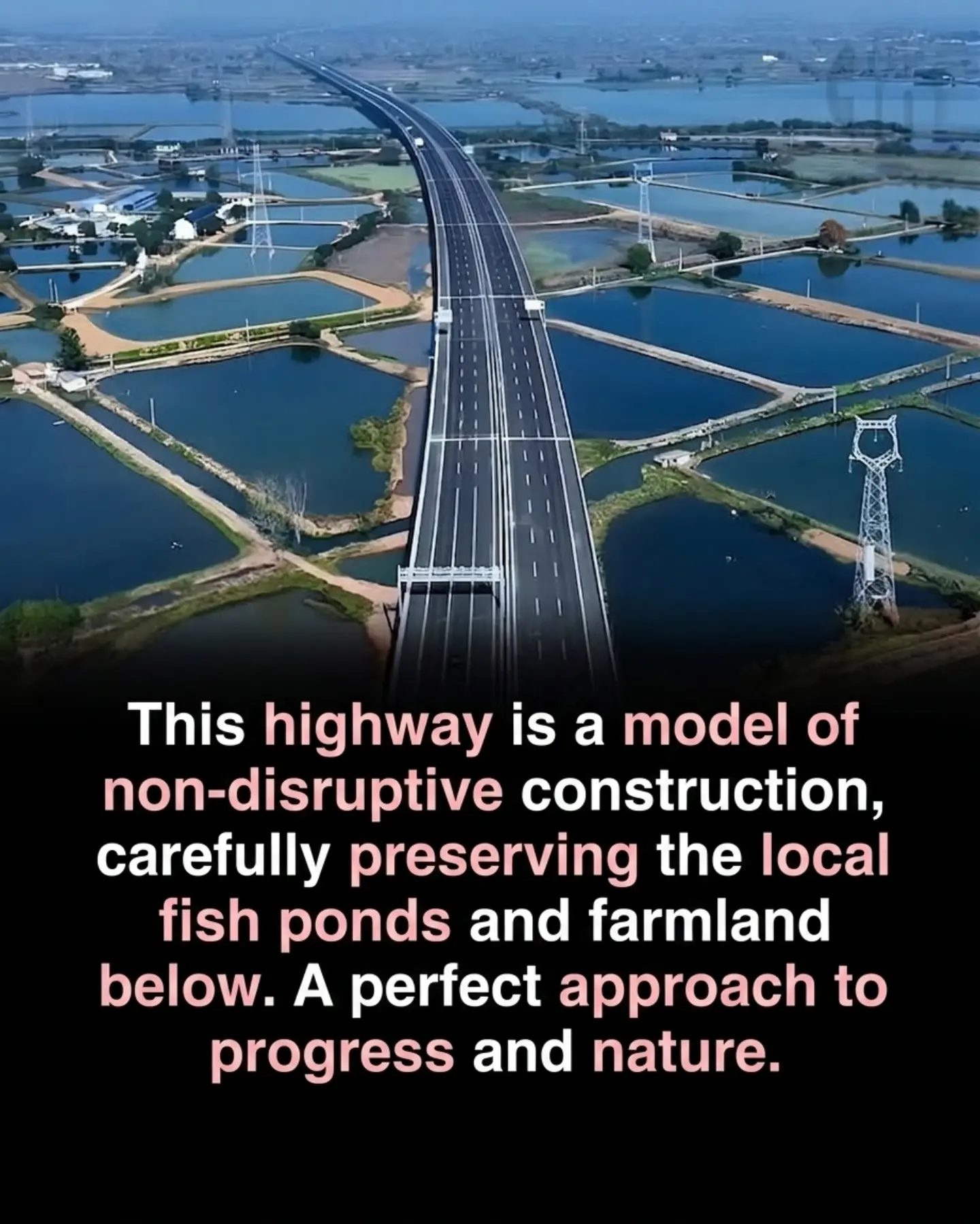
Highway Construction: Balancing Progress and Nature
Highway construction is a vital aspect of modern infrastructure development, facilitating transportation and fostering economic growth. However, it often raises concerns about environmental impact and disruption to local ecosystems. A recent example showcases how balancing progress and nature can lead to successful and sustainable highway projects.
Context: Why This Matters
In many parts of the world, highway construction has traditionally involved significant land clearing, soil displacement, and environmental degradation. This has led to the destruction of habitats, displacement of wildlife, and even the loss of agricultural lands. However, the example we'll discuss demonstrates a different approach—one that prioritizes the preservation of local ecosystems and farmland. This approach is crucial because it not only minimizes environmental impact but also ensures that local communities are not adversely affected. As urbanization and infrastructure development continue to expand, these methods of preserving the environment while still building necessary infrastructure are increasingly important.
Main Discussion
The Concept of Non-Disruptive Construction
Non-disruptive construction methods focus on minimizing the impact on the local environment and communities. Traditional highway construction often involves clearing large areas of land, which can disrupt local ecosystems and displace wildlife. In contrast, non-disruptive construction methods aim to preserve as much of the existing landscape as possible. This approach is highlighted by the way the highway construction highlighted in this article is done.
Preserving Local Fish Ponds
One of the key features of this highway construction project is the preservation of local fish ponds. Fish ponds are not only important for biodiversity but also play a crucial role in the local economy. They provide a source of income for local communities and support the local food supply. By carefully planning the highway's route and design, the project has managed to keep these ponds intact, ensuring that the local ecosystem remains undisturbed.
Maintaining Farmland Integrity
In addition to fish ponds, the construction project also prioritizes the preservation of farmland. Farmland is essential for agricultural activities, which are often the backbone of many local economies. By ensuring that the construction does not encroach on these areas, the project helps maintain the livelihoods of local farmers and supports the overall agricultural productivity of the region.
Balancing Progress and Nature
The success of this project lies in its ability to balance progress and nature. Highway construction is essential for modern infrastructure, as it improves connectivity, facilitates trade, and supports economic growth. However, this cannot come at the cost of the environment. By prioritizing non-disruptive methods, this project demonstrates that it is possible to achieve both goals.
Practical Tips for Future Highway Projects
Comprehensive Planning
One of the most critical aspects of non-disruptive highway construction is comprehensive planning. This involves conducting detailed environmental impact assessments, engaging with local communities, and ensuring that the project aligns with local environmental regulations. Comprehensive planning helps in identifying potential risks and developing mitigation strategies early in the project lifecycle.
Collaboration with Local Communities
Engaging with local communities is essential for the success of any construction project. Local communities often have valuable insights into the local environment and can provide crucial feedback on how to minimize the project's impact. By involving them in the planning process, projects can ensure that their concerns are addressed and that the construction benefits the community as a whole.
Use of Advanced Technologies
Advances in construction technology and engineering can greatly aid in non-disruptive methods. For example, using GPS and drone technology for precise land surveys, or employing innovative construction materials that are environmentally friendly, can significantly reduce the project's environmental footprint. Techniques such as trenchless construction, where pipes and utilities are installed without extensive excavation, can also help preserve the landscape.
Regular Monitoring and Evaluation
Ongoing monitoring and evaluation are crucial for ensuring that the project stays on track and minimizes its environmental impact. Regular assessments can help identify any potential issues early and allow for timely corrective actions. This also ensures that the project remains compliant with environmental regulations and community expectations.
Important Takeaways
Sustainable Development
The project underscores the importance of sustainable development in highway construction. It demonstrates that it is possible to build essential infrastructure without compromising the environment. This approach not only ensures long-term sustainability but also sets a positive example for future projects.
Community Engagement
Engaging with local communities is vital for the success of any infrastructure project. By involving local stakeholders, projects can ensure that their concerns are addressed, and that the construction benefits the community as a whole.
Technological Innovation
Leveraging advanced technologies and innovative construction methods can greatly aid in non-disruptive highway construction. These technologies can help minimize the project's environmental footprint and ensure that the construction is both efficient and environmentally friendly.
Conclusion
Highway construction is a vital aspect of modern infrastructure development, but it must be done responsibly. By adopting non-disruptive construction methods, prioritizing the preservation of local ecosystems, and engaging with local communities, it is possible to achieve a balance between progress and nature. This approach not only ensures that the environment remains protected but also supports the long-term sustainability and economic prosperity of the region. As we continue to develop our infrastructure, it is essential to learn from such examples and integrate these best practices into future projects.
Questions readers ask
How does responsible highway construction help the environment?
Responsible highway construction minimizes environmental harm by reducing land clearing, protecting vital resources, and preserving ecosystems. It involves eco-friendly planning and sustainable building practices to ensure that the project aligns with environmental preservation goals.
What are some eco-friendly practices in highway construction?
Eco-friendly practices in highway construction include using sustainable materials, optimizing routes to minimize land clearing, and implementing measures to protect local wildlife. Additionally, preserving farmlands and ensuring non-disruptive construction methods are key aspects of sustainable road building.
How can highway construction impact local economies?
Responsible highway construction can boost local economies by improving connectivity, creating job opportunities, and ensuring that the infrastructure development does not disrupt existing economic activities. By preserving vital resources and minimizing land clearing, it supports the long-term sustainability of local economies.
How can wildlife be protected during highway construction?
Wildlife can be protected during highway construction by implementing wildlife crossings, such as overpasses and underpasses, and by carefully planning routes to avoid critical habitats. Additionally, monitoring and mitigation measures can be put in place to ensure that wildlife populations are not disrupted or harmed during and after construction.
What are the benefits of minimizing land clearing for highways?
Minimizing land clearing for highways helps to preserve local ecosystems and reduce environmental degradation. It also helps to conserve natural resources, maintain biodiversity, and prevent the displacement of wildlife. Moreover, it can lead to cost savings and reduced construction time, making highway projects more efficient and sustainable.
Related deep dives
Similar reads based on topic and creator.




Recent articles
Fresh deep dives from the latest Reels we unpacked.




Comments
Be the first to comment.