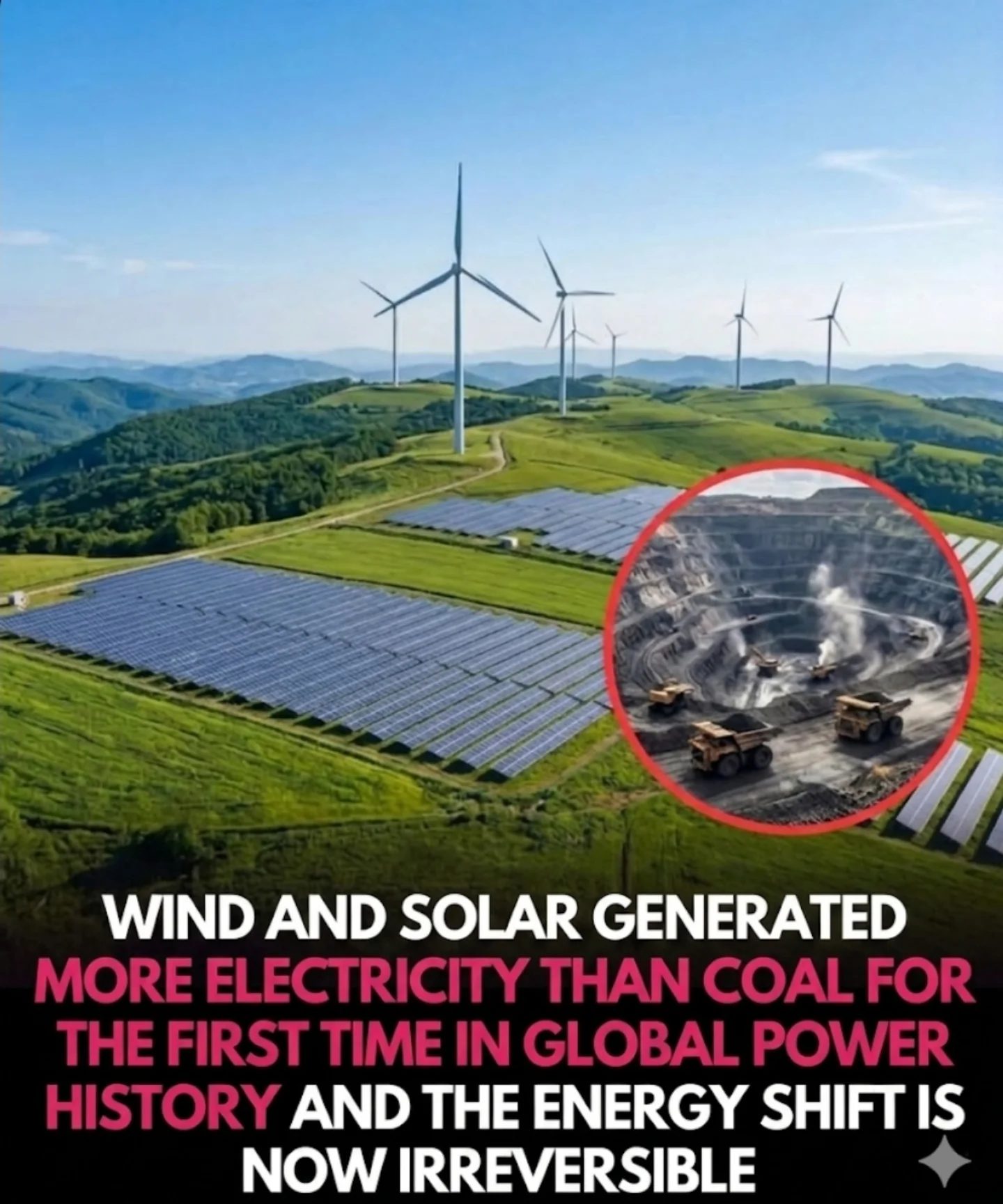
The Global Energy Shift: Wind and Solar Overtake Coal
The global energy landscape has reached a definitive turning point. For the first time in history, the combined power of wind and solar has overtaken coal in global electricity generation. This historic milestone isn't merely a seasonal fluctuation; it represents a structural transformation in how the world powers its grids.
Why This Matters
This shift is significant for several reasons. Firstly, it marks the beginning of the end for fossil fuel dominance in electricity generation. Secondly, it underscores the rapid advancements and increasing competitiveness of renewable energy technologies. Lastly, it signals a broader economic and political move away from carbon-heavy assets toward a more sustainable future.
The Driving Forces Behind the Shift
The Rise of Renewable Energy
The surge in renewable energy is driven by several key factors:
- Solar Installations: There has been a massive increase in solar panel installations worldwide. This growth is attributed to falling costs and improved efficiency of solar technology.
- Wind Technology: Similarly, advancements in wind turbine design and falling costs have made wind power increasingly competitive with traditional fossil fuels.
The Role of Battery Storage and Smart-Grid Integration
In major markets, the transition to renewable energy is being bolstered by rapid advancements in battery storage and smart-grid integration. These technologies enable more efficient use of renewable energy by storing excess power for use when demand is high or when renewable sources are not generating electricity. This makes renewable energy a more reliable and practical option for grid integration.
The Economic and Political Dimensions
The Irreversibility of the Shift
The shift towards renewable energy is not just a trend; it is an economically and politically irreversible movement. As capital continues to flee carbon-heavy assets, investment in renewable energy infrastructure is on the rise. This financial shift is solidifying the transition to a decarbonized grid.
The Necessity of Industrial Mining
While the shift towards renewable energy is clear, it is important to note that industrial mining remains a necessity. The raw materials needed for renewable energy infrastructure, such as lithium for batteries and rare earth metals for wind turbines, are still largely extracted through mining. This highlights the complex interplay between the need for sustainable energy and the ongoing requirement for raw materials.
The Role of Electrification
The momentum has shifted away from combustion and toward electrification. This means that even as we move away from coal, the demand for electricity will continue to grow. Electricity will power not only our homes and businesses but also our vehicles, machinery, and more. This shift towards electrification is a critical component of the broader move towards a sustainable future.
Examples of Electrification in Action
- Electric Vehicles (EVs): The growing adoption of electric vehicles is a prime example of electrification. As EVs become more affordable and efficient, they are replacing traditional combustion engine vehicles, further reducing our reliance on fossil fuels.
- Electric Machinery: In industrial settings, electric machinery is becoming more prevalent. This includes everything from electric forklifts to electric cranes, all powered by the grid.
Practical Tips for Navigating the Energy Transition
For Individuals
- Invest in Renewable Energy: Consider installing solar panels on your home or investing in a community solar project. This not only reduces your carbon footprint but can also save you money on electricity bills in the long run.
- Switch to Electric Vehicles: If you're in the market for a new vehicle, consider an electric or hybrid model. The cost savings and environmental benefits make them a smart choice.
For Businesses
- Adopt Renewable Energy Solutions: Businesses can install solar panels or invest in wind turbines to power their operations. This not only reduces costs but also enhances your company's sustainability credentials.
- Invest in Energy Storage: Battery storage systems can help stabilize your energy supply, making renewable energy a more reliable option for your business.
Important Takeaways
The shift from coal to wind and solar is more than just a milestone; it is a fundamental change in how we power our world. This transformation is driven by technological advancements, economic shifts, and a growing commitment to sustainability. As we continue to build a more sustainable future, it is crucial to recognize the role of renewable energy in this transition.
Conclusion
The age of renewables has arrived, and there is no turning back. Wind and solar power have surpassed coal in global electricity generation, marking a significant shift in the global energy landscape. This transition is not just about technology; it is about creating a more sustainable, economically viable, and politically stable future. As we continue to invest in renewable energy and electrification, we are building a future where clean, reliable power is the norm.
Questions readers ask
What does it mean that renewable energy has surpassed coal in electricity generation?
This milestone indicates that the combined electricity produced by wind and solar power has exceeded that generated by coal. It signifies a major shift in the global energy mix, with renewables playing a more significant role in powering the world's grids.
What are the key factors driving the growth of renewable energy?
Rapid advancements in technology and increasing cost-effectiveness have made renewable energy sources such as wind and solar more competitive. Additionally, growing environmental concerns and policy support have accelerated the transition towards cleaner energy solutions.
How does this shift impact the future of fossil fuels?
The decline in coal's share of electricity generation suggests a broader trend away from fossil fuels. This shift is likely to continue as renewable energy technologies become more efficient and cost-effective, further reducing the reliance on carbon-heavy resources.
What are the economic implications of this global energy transition?
The transition to renewable energy creates new economic opportunities, including job growth in the renewable energy sector and investments in green energy infrastructure. It also reduces dependence on fossil fuel imports, enhancing energy security.
How does the competitiveness of clean energy affect its adoption?
As the costs of renewable energy technologies continue to decrease, they become more attractive to both consumers and investors. This competitiveness drives further adoption, making renewable energy a viable and often preferable alternative to traditional fossil fuels.
What role do policies play in the global renewable energy shift?
Government policies, such as subsidies, tax incentives, and regulations, play a crucial role in promoting renewable energy adoption. These policies can expedite the phaseout of coal power by making green energy more accessible and affordable.
What does the future hold for wind and solar power in the global energy landscape?
With ongoing technological improvements and increased investment, wind and solar power are poised to continue their growth trajectory. This trend will likely lead to a more sustainable energy grid, with renewables playing a dominant role in global electricity generation.
Related deep dives
Similar reads based on topic and creator.




Recent articles
Fresh deep dives from the latest Reels we unpacked.




Comments
Be the first to comment.