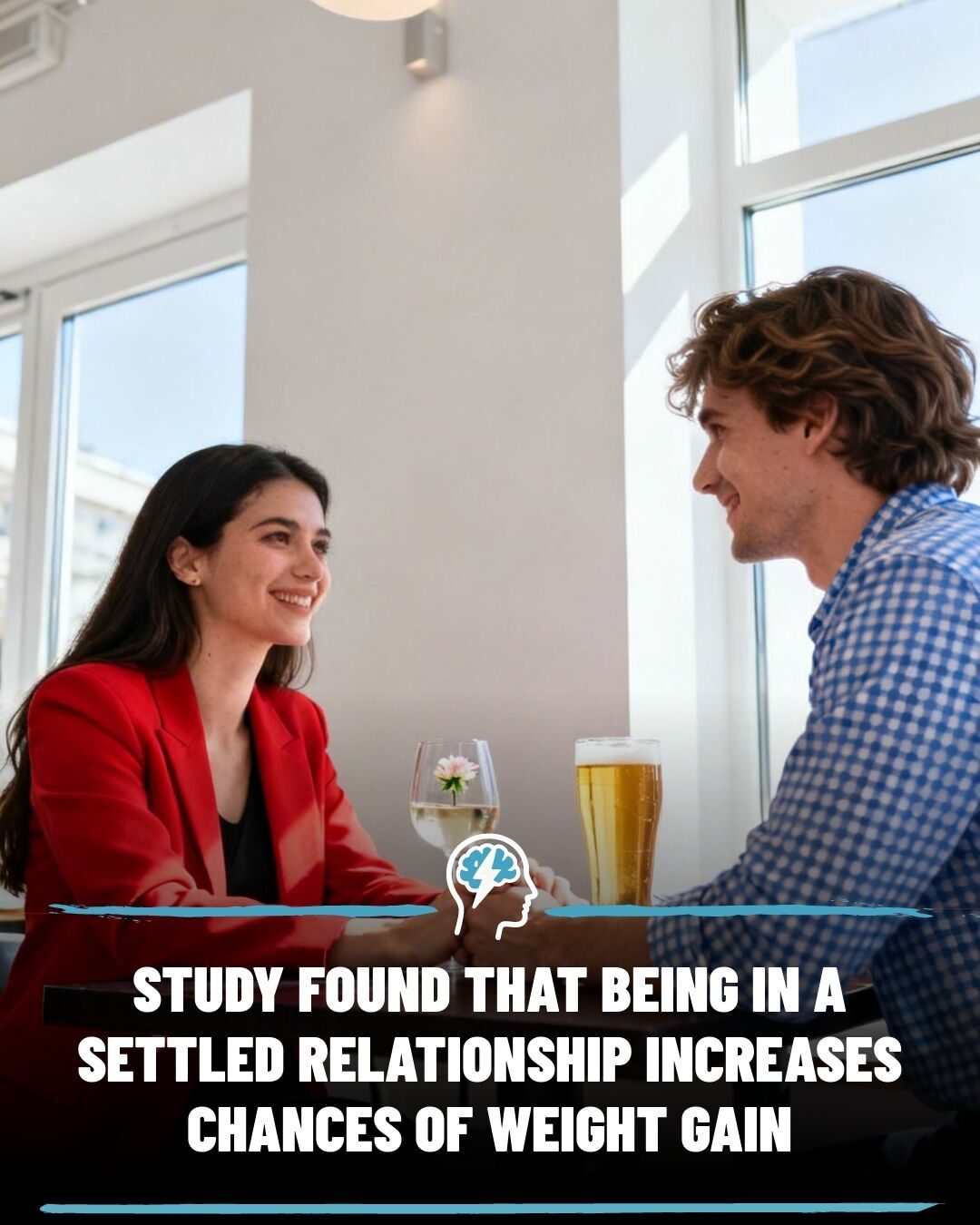
Relationships and Weight Gain
The concept of "love weight" — the phenomenon where people gain weight after entering a committed relationship — is more than just an anecdotal observation. Research suggests that this trend is real and backed by scientific data. Understanding the dynamics at play can help couples navigate this common challenge.
Why this matters
Weight gain in relationships is a widespread experience that can significantly impact both partners' physical and emotional well-being. Recognizing the underlying factors can empower couples to make informed choices that support their health while enjoying their relationship.
Main discussion
Shared Living and Eating Habits
One of the primary factors contributing to weight gain in committed relationships is the change in eating habits that often accompanies shared living. Individuals who previously maintained lighter meal routines or skipped meals may start adopting more substantial shared meals with their partner. This shift can lead to increased caloric intake, contributing to weight gain over time.
Couples tend to dine out more frequently, which can also impact their dietary choices. Restaurants often serve larger portions and offer more calorie-dense dishes, which can be challenging to manage compared to home-cooked meals. Additionally, partners may prioritize couple time over individual fitness routines, leading to a more sedentary lifestyle.
The Mating Market Model
Researchers have proposed a concept known as the "mating market model" to explain some of the shifts in behavior that occur when individuals enter a committed relationship. Once in a secure relationship, people may feel less pressure to maintain certain appearance standards, as they are no longer actively seeking a partner. This reduced pressure can lead to changes in lifestyle habits, including diet and exercise, which may contribute to weight gain.
It's essential to note that this model does not suggest that people in relationships are inherently unhealthy. Instead, it highlights how the social and psychological dynamics of relationships can influence individual behaviors and choices.
Relationship Satisfaction and Weight
Interestingly, studies have found that couples with greater relationship satisfaction are more likely to gain weight. This phenomenon supports the comfort hypothesis, which suggests that people in happy relationships may feel comfortable enough to let go of certain self-imposed restrictions, including diet and exercise regimens. This does not indicate that happy relationships are unhealthy but rather highlights the importance of balance and self-awareness.
Research from UCLA has shown that married individuals with higher perceived emotional support tend to have lower BMI and fewer problematic eating behaviors. This suggests that while relationship satisfaction can influence weight, the quality of the relationship and the emotional support it provides play a crucial role in overall health.
Practical tips
Maintaining Health Habits
Maintaining individual health habits while building a life together is essential. This can include:
- Cooking Together: Preparing meals together can be a fun and healthy activity. By cooking at home, couples can control portion sizes and the ingredients used, making it easier to maintain a balanced diet.
- Joint Fitness Routines: Finding fitness activities that both partners enjoy can help maintain an active lifestyle. This could be anything from going for walks together, joining a gym, or trying out yoga classes.
- Mindful Eating: Paying attention to hunger and fullness cues can help prevent overeating. Couples can support each other by being mindful of their eating habits and encouraging healthier choices.
Navigating Social Pressures
Recognizing and navigating the social pressures that come with relationships is crucial. This can include:
- Setting Boundaries: It's important to set boundaries and communicate openly about health goals. Couples should support each other's individual needs and respect each other's choices.
- Social Activities: Engaging in social activities that support a healthy lifestyle can be beneficial. This could include joining community groups, attending health workshops, or participating in fitness challenges together.
Important takeaways
Awareness and Communication
Awareness and open communication are key to managing weight gain in relationships. Couples should be mindful of how their relationship dynamics influence their lifestyle choices and support each other in making healthier decisions. Understanding that weight gain is a common experience in relationships can help couples approach it with empathy and understanding.
Quality Over Quantity
The quality of the relationship matters more than the relationship status itself. Couples who prioritize emotional support and mutual well-being are more likely to maintain a healthy lifestyle. Focusing on building a strong, supportive relationship can have positive effects on both partners' health.
Balance and Enjoyment
Finding a balance between enjoying each other's company and maintaining individual health habits is essential. Couples should prioritize activities that support their overall well-being and avoid falling into unhealthy patterns. By supporting each other and making conscious choices, couples can navigate the challenges of weight gain together.
Conclusion
Weight gain in relationships is a multifaceted issue influenced by shared living, social pressures, and relationship dynamics. By understanding the underlying factors and taking proactive steps, couples can support each other's health and well-being. Ultimately, the key to navigating this common challenge lies in awareness, communication, and a commitment to maintaining a balanced, supportive relationship.
Questions readers ask
What is 'love weight' and why does it happen in relationships?
'Love weight' refers to the tendency of people to gain weight after starting a committed relationship. This phenomenon occurs due to shared living and eating habits, such as increased consumption of food, reduced physical activity, and changes in routine. The comfort and security of a relationship can also lead to less motivation for maintaining a healthy weight.
How do shared living habits influence weight gain in couples?
Shared living habits can lead to weight gain in couples through various ways, such as increased meal frequency, larger portion sizes, and a more sedentary lifestyle. Additionally, the influence of a partner's eating habits, even if they are unhealthy, can significantly affect the other partner's dietary choices.
What are some strategies for couples to manage weight together?
Couples can manage weight together by planning and preparing healthy meals, engaging in regular physical activity, setting shared fitness goals, and maintaining open communication about their health and wellness. It is also important to support each other's healthy habits and make positive lifestyle changes together.
Can relationships help with weight loss?
Yes, relationships can be a powerful tool for weight loss. When couples work together to achieve weight loss goals, they can maintain motivation, hold each other accountable, and celebrate successes. Additionally, having a supportive partner can help in maintaining long-term weight loss and prevent relapse.
How can mindset influence weight management in relationships?
Mindset plays a crucial role in weight management for couples. A positive and supportive mindset can encourage healthy habits, while a negative or critical mindset can hinder progress. Couples should focus on mutual growth, celebrating each other's successes, and supporting each other through setbacks.
Related deep dives
Similar reads based on topic and creator.



Recent articles
Fresh deep dives from the latest Reels we unpacked.




Comments
Be the first to comment.