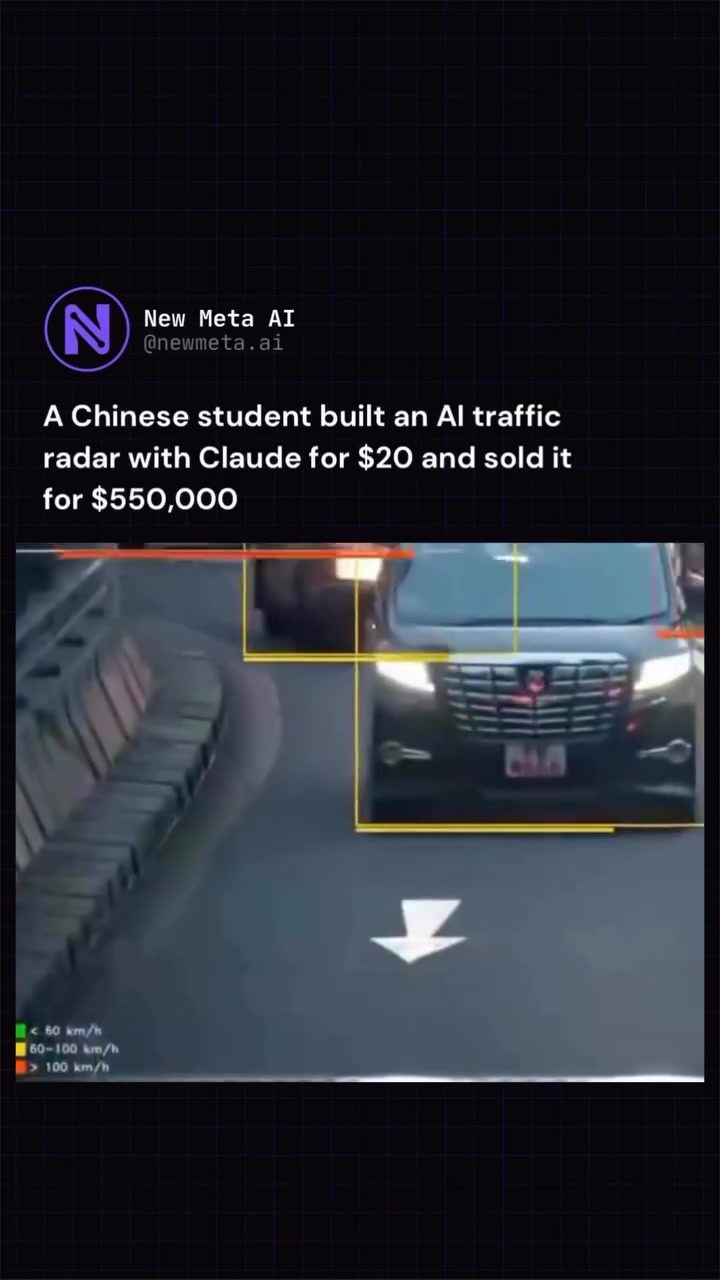
AI-Powered Traffic Radar
AI-powered traffic radar systems are revolutionizing traffic management, and a remarkable example of this technology is the AI traffic radar developed by Zhang Wei, a 19-year-old Chinese student. This system, built for a mere $20, showcases the incredible potential of artificial intelligence in solving real-world problems.
Context / Why This Matters
Traffic management is a critical aspect of modern urban planning. Traditional traffic monitoring systems often rely on manual observation or basic sensors, which can be inefficient and prone to errors. AI-powered traffic radars, however, offer a more advanced and precise solution. These systems can detect speeding vehicles, record video footage, recognize license plates, and even issue traffic fines automatically. This level of automation not only enhances the efficiency of traffic enforcement but also reduces the need for human intervention, leading to fewer errors and more consistent implementation of traffic rules.
Main Discussion
The Rise of AI in Traffic Management
The AI traffic radar developed by Zhang Wei exemplifies how artificial intelligence can be leveraged to create powerful, cost-effective solutions. The system, which was sold for $550,000 after being built for just $20, highlights the lucrative potential of AI-driven innovations. This incredible profit margin underscores the value that AI can bring to various industries, particularly those involved in public safety and infrastructure.
Key Features of the AI Traffic Radar
-
Speed Detection: The radar system accurately measures the speed of vehicles, displaying the data in kilometers per hour. This feature is crucial for enforcing speed limits and ensuring road safety.
-
Video Recording: The system is equipped with video recording capabilities, allowing for the capture of visual evidence in case of traffic violations. This not only aids in enforcement but also provides transparency and accountability.
-
License Plate Recognition: AI-powered license plate recognition enables the system to automatically identify and record the license plates of speeding vehicles. This feature is essential for issuing traffic fines and tracking repeat offenders.
-
Automated Fines: The radar can automatically issue traffic fines based on the detected violations. This automation streamlines the process, reducing the administrative burden on traffic authorities and ensuring that fines are issued promptly and consistently.
The Demo of the AI Traffic Radar
During the demo, the AI traffic radar was mounted on a vehicle, actively detecting and measuring the speed of other cars. The radar displayed the speed of detected vehicles in real-time, using color-coded ranges to indicate different speed levels. For example, speeds between 100-160 km/h were highlighted in a specific color, while speeds exceeding 100 km/h were marked with another. This visual representation makes it easy for authorities to monitor traffic and take immediate action when necessary.
Zhang Wei’s Innovation
Zhang Wei’s achievement is a testament to the power of AI and the potential of young innovators. By leveraging AI, he created a system that not only addresses a critical real-world problem but also demonstrates the economic viability of AI solutions. His innovation serves as an inspiration for others looking to harness the capabilities of artificial intelligence to solve contemporary challenges.
Practical Tips
Steps to Implementing an AI Traffic Radar System
-
Assess Needs: Evaluate the specific traffic management needs of your area. Identify the key issues, such as speeding, license plate recognition, and fines automation.
-
Select Technology: Choose an AI-powered traffic radar system that meets your requirements. Look for features like real-time speed detection, video recording, and license plate recognition.
-
Installation: Install the radar system in strategic locations, such as on vehicles or fixed points along the road. Ensure that the system is calibrated correctly to provide accurate measurements.
-
Training and Maintenance: Provide training for the personnel who will operate and maintain the system. Regular maintenance is essential to ensure the system's reliability and accuracy.
-
Integration: Integrate the AI traffic radar with existing traffic management systems. This could involve linking the radar to databases for license plate recognition and fine management systems.
Important Takeaways
AI-powered traffic radar systems represent a significant advancement in traffic management. They offer enhanced accuracy, efficiency, and automation, making them invaluable for modern urban planning. The success of Zhang Wei’s innovation underscores the remarkable potential of AI in solving real-world problems and creating cost-effective solutions.
Conclusion
The AI traffic radar developed by Zhang Wei is a powerful example of how artificial intelligence can be used to revolutionize traffic management. By accurately detecting speeding vehicles, recording video footage, recognizing license plates, and issuing fines automatically, this system demonstrates the immense potential of AI-driven innovations. As we continue to explore the capabilities of AI, we can expect to see more groundbreaking solutions that address the challenges of our modern world.
Questions readers ask
What are the key features of the AI-powered traffic radar developed by Zhang Wei?
The AI-powered traffic radar developed by Zhang Wei includes speed detection, video recording, and automatic traffic fine issuance. These features allow for efficient and precise traffic management, enhancing the ability to monitor and enforce traffic rules.
How much did Zhang Wei spend to develop the AI traffic radar?
Zhang Wei developed the AI traffic radar for just $20, showcasing the potential for significant cost savings in developing innovative AI solutions.
What makes AI-powered traffic radars superior to traditional traffic monitoring systems?
AI-powered traffic radars offer more precise and efficient solutions compared to traditional systems. They can detect speeding vehicles, recognize license plates, and issue fines automatically. This reduces the need for manual observation or basic sensors, which are often prone to errors and inefficiencies.
Can AI-powered traffic radars automate the issuance of traffic fines?
Yes, AI-powered traffic radars can issue traffic fines automatically. This feature helps streamline the enforcement process, making it more efficient and reducing the need for manual intervention.
What are some real-world applications of AI in traffic management?
AI can be used in various aspects of traffic management, such as speed detection, video recording, license plate recognition, and automatic fine issuance. These applications help improve traffic flow, enhance safety, and ensure compliance with traffic regulations.
How did a 19-year-old develop such an advanced AI traffic radar system?
Zhang Wei, a 19-year-old, leveraged modern AI technologies and affordable development tools to create the traffic radar. His story highlights the accessibility of AI tools and the potential for young innovators to make significant impacts in various fields.
What is the significance of AI in enhancing traffic management?
AI enhances traffic management by providing more accurate and efficient solutions. It helps in detecting speeding vehicles, recording video footage, and issuing fines automatically, which improves overall traffic control and safety.
Related deep dives
Similar reads based on topic and creator.




Recent articles
Fresh deep dives from the latest Reels we unpacked.




Comments
Be the first to comment.