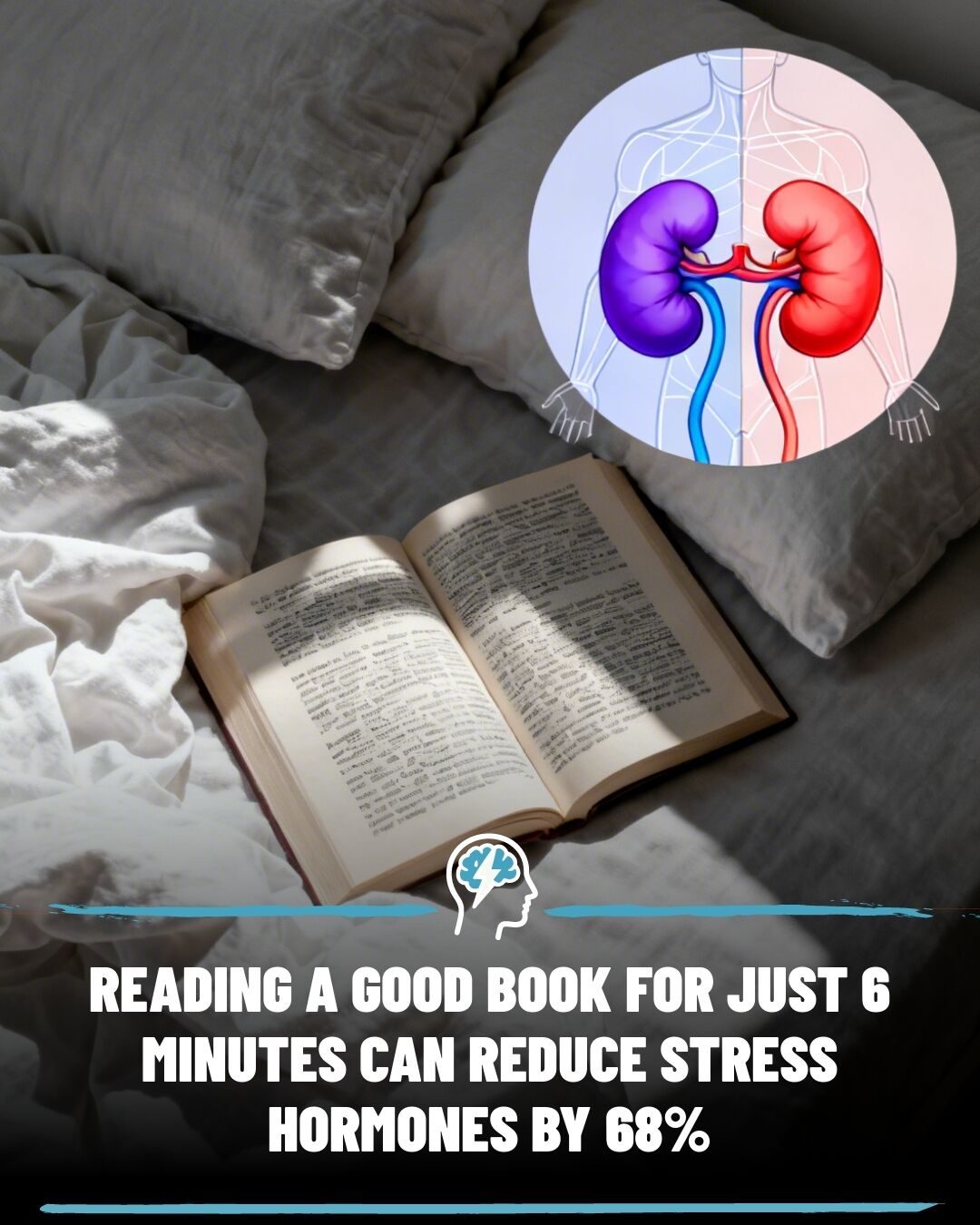
Stress Reduction through Reading
Reading a book can be more than just a leisure activity. It can be a powerful tool for reducing stress. According to researchers at the University of Sussex, a good book can be instrumental in managing stress levels, even outperforming other common relaxation methods.
Context / Why this matters
Stress affects everyone, and finding effective ways to manage it is crucial for maintaining mental and physical well-being. High stress levels can lead to various health issues, including heart disease, high blood pressure, and a weakened immune system. Therefore, discovering simple yet effective stress-reduction techniques is essential for overall health.
Main discussion
The Science Behind Reading and Stress Reduction
When you read, your mind focuses on the words in front of you, engaging your prefrontal cortex. This engagement activates what researchers call the "anxiety brake," which helps to suppress the fight-or-flight response. This process allows stress hormones to dissipate, leading to a significant reduction in overall stress levels. According to the researchers, reading for just 6 minutes can reduce stress hormones by 68%.
How Reading Compares to Other Methods
While reading is highly effective, it’s also interesting to see how it compares to other relaxation methods. The study found that:
- Listening to music reduced stress by 61%.
- Drinking tea or coffee lowered stress by 54%.
- Taking a walk reduced stress by 42%.
- Playing video games only managed a 21% reduction and actually increased heart rate.
The Impact on Your Body and Mind
The benefits of reading extend beyond just mental relaxation. When you read, your heart rate drops, and muscle tension eases. This is because reading activates your imagination and engages the prefrontal cortex, which is responsible for executive functions like decision-making and moderating social behavior. This active engagement helps you enter an "altered state of consciousness," as described by Dr. David Lewis, the cognitive neuropsychologist who led the study.
Types of Reading Material
The type of reading material doesn't significantly affect the stress-reduction benefits. However, more engaging books tend to produce better results. Whether you prefer a gripping thriller, a heartwarming romance, or an informative non-fiction book, the key is to choose something that captivates your interest and keeps you engaged.
Practical tips
If you're looking to incorporate reading into your stress-reduction routine, here are some practical tips:
Create a Reading Space
Designate a quiet, comfortable space for reading. This could be a cozy corner in your living room, a comfortable chair by the window, or even your bed. Make sure the space is free from distractions and conducive to relaxation.
Choose the Right Time
Find a time that works best for you. Reading before bed can help you relax and prepare for sleep, but if you find it stimulates your mind, you might want to read earlier in the day.
Set a Goal
Start with a small goal, like reading for 6 minutes a day. Gradually increase the time as you get more comfortable with the routine. Remember, consistency is key.
Explore Different Genres
Don't feel limited to just one type of book. Exploring different genres can keep reading interesting and prevent it from becoming a chore. Whether it's a mystery, a biography, or a self-help book, variety can keep your reading sessions fresh and engaging.
Combine with Other Relaxation Techniques
While reading is a powerful tool on its own, combining it with other relaxation techniques can enhance its effects. For example, you could pair reading with a calming cup of herbal tea or listen to soft background music to create a serene atmosphere.
Important takeaways
- Reading for 6 minutes can significantly reduce stress hormones.
- It engages the prefrontal cortex, activating the "anxiety brake" and suppressing the fight-or-flight response.
- Reading outperforms other relaxation methods, including listening to music, drinking tea, and taking a walk.
- More engaging books tend to produce better stress-reduction results.
- Everyone's experience with stress-reduction methods can vary, so it's essential to find what works best for you.
Conclusion
Reading is a simple yet powerful tool for stress reduction. By engaging your mind and redirecting your focus, it helps lower stress levels and promotes a sense of calm. Whether you're looking to unwind after a long day or simply want to incorporate a relaxing activity into your routine, picking up a good book can be a game-changer. So, next time you feel stressed, consider reaching for a book instead of your phone or the TV remote.
Questions readers ask
How quickly can reading reduce stress levels?
Reading for just 6 minutes a day can significantly lower stress hormones by 68%, making it a quick and efficient method for stress relief.
What makes reading more effective than other relaxation methods?
Reading engages the mind and distracts from daily worries, allowing the body to relax more effectively. It also promotes better focus and can slow down your heart rate.
How does reading compare to listening to music for stress relief?
While both activities can be relaxing, reading has been shown to reduce stress hormones more effectively. It also provides a mental escape, offering a more immersive experience.
Can any type of book help reduce stress?
While all books can provide some relaxation, certain genres like thrillers or horror might not be suitable for stress relief. Books that promote calmness and escapism, such as romance, drama, and fantasy, are often the best choices.
How does reading help in improving heart rate?
Reading can help slow down your heart rate by distracting the mind from stressful thoughts, promoting relaxation. This reduction in heart rate contributes to an overall decrease in stress levels.
Is reading more effective than drinking tea for stress relief?
Both activities can be soothing, but reading has been shown to reduce stress hormones more significantly. However, combining both activities—such as reading while enjoying a cup of tea—can enhance the overall relaxing experience.
Related deep dives
Similar reads based on topic and creator.




Recent articles
Fresh deep dives from the latest Reels we unpacked.




Comments
Be the first to comment.