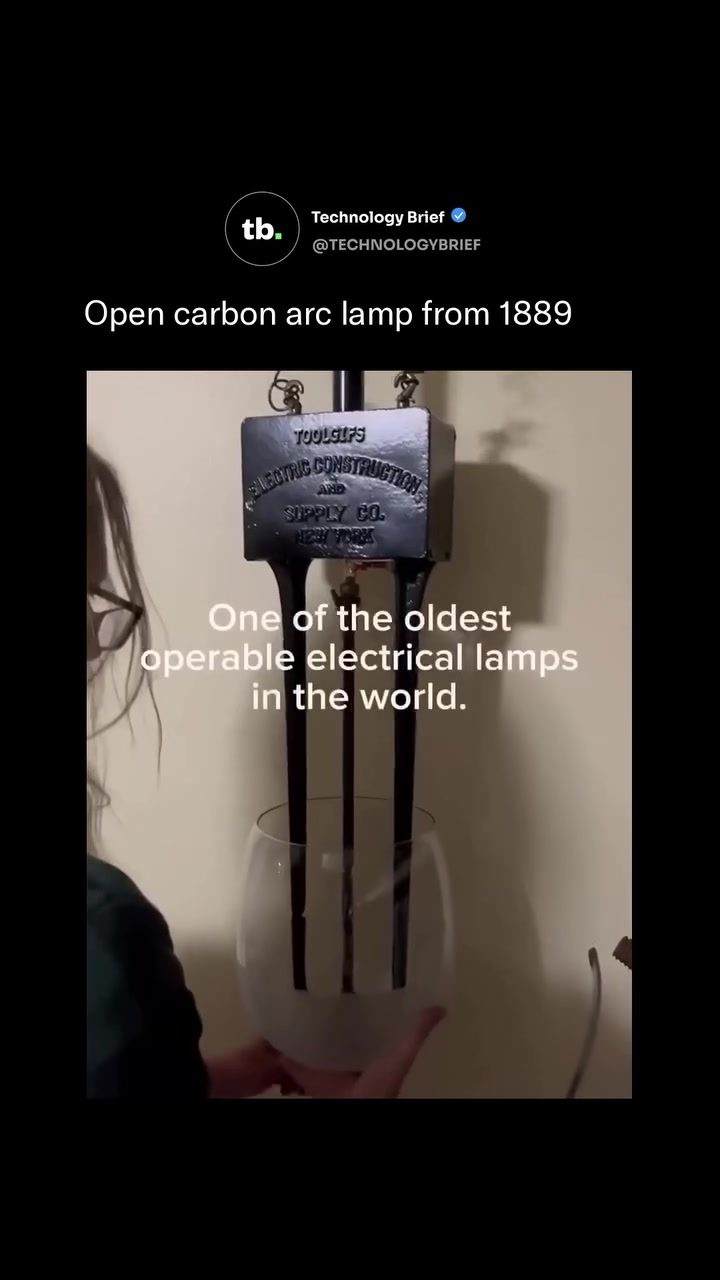
Antique Carbon Arc Lamps: A Journey Through Early Electric Lighting
The carbon arc lamp, an early form of electric lighting, holds a significant place in the history of technology. This open carbon arc lamp, built in 1889 by Toolguys Electric Construction and Supply Co. of New York, is a remarkable artifact. It is one of the oldest known operable electric lamps in the world, showcasing the ingenuity of early engineers. This piece provides a deep dive into the components and workings of this historical artifact, revealing the complexities and challenges of early electric lighting.
Why This Matters
Electric lighting has transformed societies, enabling activities after sunset and improving productivity. Carbon arc lamps played a pivotal role in this transformation, being the world's first practical electric light. Understanding their design and operation offers insights into the evolution of lighting technology and the challenges overcome to achieve modern conveniences.
The Evolution of Electric Lighting
Early Electric Lighting
The carbon arc lamp was invented by English chemist Humphry Davy in the early 1800s. This invention marked the beginning of electric lighting, dominating street lighting and large building illumination throughout the 1870s and 1880s. The lamp works by passing a high electrical current across a small gap between carbon electrodes, causing the gas between them to glow with an intensely bright white light. This process can reach temperatures of up to 6,000 degrees Fahrenheit, making the carbon rods glow a deep orange-red even after the arc itself is cut off.
Components of a Carbon Arc Lamp
The carbon arc lamp from 1889 features several key components:
- Carbon Rods: These are the electrodes that create the arc. The lamp has three carbon rods adjusted by hand.
- Glass Dome: This protective enclosure covers the arc, containing the intense heat and light generated.
- Base: The base supports the lamp and houses the electrical connections.
The Demonstration
The lamp from 1889 was recently demonstrated for the first time in over 100 years. The process involves adjusting the three carbon rods by hand before electricity is sent through them. This hands-on approach highlights the manual labor required in early electric lighting systems. The arc created between the carbon rods produces a bright, intense light, showcasing the raw power and simplicity of this early technology.
Practical Tips
While carbon arc lamps are historical artifacts and not practical for modern use, understanding their operation can inspire appreciation for modern lighting solutions. Here are a few tips for those interested in historical technology:
- Safety First: Always handle historical artifacts with care. High-voltage equipment like carbon arc lamps can be dangerous.
- Preservation: If you have access to antique electrical devices, ensure they are stored in a controlled environment to prevent degradation.
- Educational Resources: Utilize resources from museums and historical societies to learn more about the evolution of technology.
Important Takeaways
- Carbon arc lamps were the world’s first practical electric lights, invented by Humphry Davy in the early 1800s.
- These lamps dominated street lighting and large building illumination throughout the 1870s and 1880s.
- The lamp from 1889, built by Toolguys Electric Construction and Supply Co. of New York, is a remarkable historical artifact.
- The process involves adjusting carbon rods by hand before sending electricity through them, creating an intensely bright light.
- Understanding the operation of carbon arc lamps offers insights into the evolution of lighting technology and the challenges overcome to achieve modern conveniences.
Conclusion
The carbon arc lamp is a testament to human ingenuity and the relentless pursuit of innovation. While it has been largely replaced by more efficient lighting solutions, its historical significance cannot be overlooked. The demonstrations and preservation of such artifacts serve as a reminder of the foundational technologies that paved the way for modern advancements. As we continue to evolve, appreciating and learning from the past can provide valuable context and inspiration for future innovations.
Questions readers ask
What makes the 1889 carbon arc lamp significant in the history of lighting?
The 1889 carbon arc lamp is significant because it represents one of the earliest forms of electric lighting. Its intricate design, featuring manually adjusted carbon rods and a protective glass dome, offers insights into the pioneering efforts of early engineers in developing electric lighting solutions.
How did carbon arc lamps function?
Carbon arc lamps produce light by creating an electric arc between two carbon rods. This arc generates intense heat and light, making these lamps powerful sources of illumination for their time. However, they required frequent maintenance and adjustment, as the carbon rods would degrade during use.
What challenges did early engineers face with carbon arc technology?
Early engineers faced several challenges with carbon arc technology, including the need for constant manual adjustment of the carbon rods to maintain the electric arc. Additionally, the open flame nature of these lamps posed safety risks, and the high intensity of the light made it difficult to control the brightness.
What role did carbon arc lamps play in society?
Carbon arc lamps were instrumental in enabling nighttime activities and extending work hours, which significantly improved productivity. They were used in various settings, from public spaces and theaters to industrial sites, paving the way for the widespread adoption of electric lighting.
What companies were involved in producing early electric lighting devices?
Companies like the Toolguys Electric Construction and Supply Co. of New York were pivotal in producing early electric lighting devices. These companies contributed to the development and distribution of innovative technologies, such as the 1889 carbon arc lamp, that shaped the future of lighting.
How has the design of electric lamps evolved since the 1889 carbon arc lamp?
Since the 1889 carbon arc lamp, the design of electric lamps has evolved dramatically. Modern lamps are safer, more efficient, and require less maintenance. They utilize materials like tungsten filaments, fluorescent tubes, and LEDs, making them more durable and energy-efficient compared to the early carbon arc technology.
What maintenance was required for the 1889 carbon arc lamp?
The 1889 carbon arc lamp required regular maintenance, primarily involving the adjustment of carbon rods. As the rods burned down, they needed to be manually moved closer to maintain the electric arc. This process had to be done frequently to ensure the lamp continued to function effectively and provide consistent light.
Related deep dives
Similar reads based on topic and creator.




Recent articles
Fresh deep dives from the latest Reels we unpacked.




Comments
Be the first to comment.