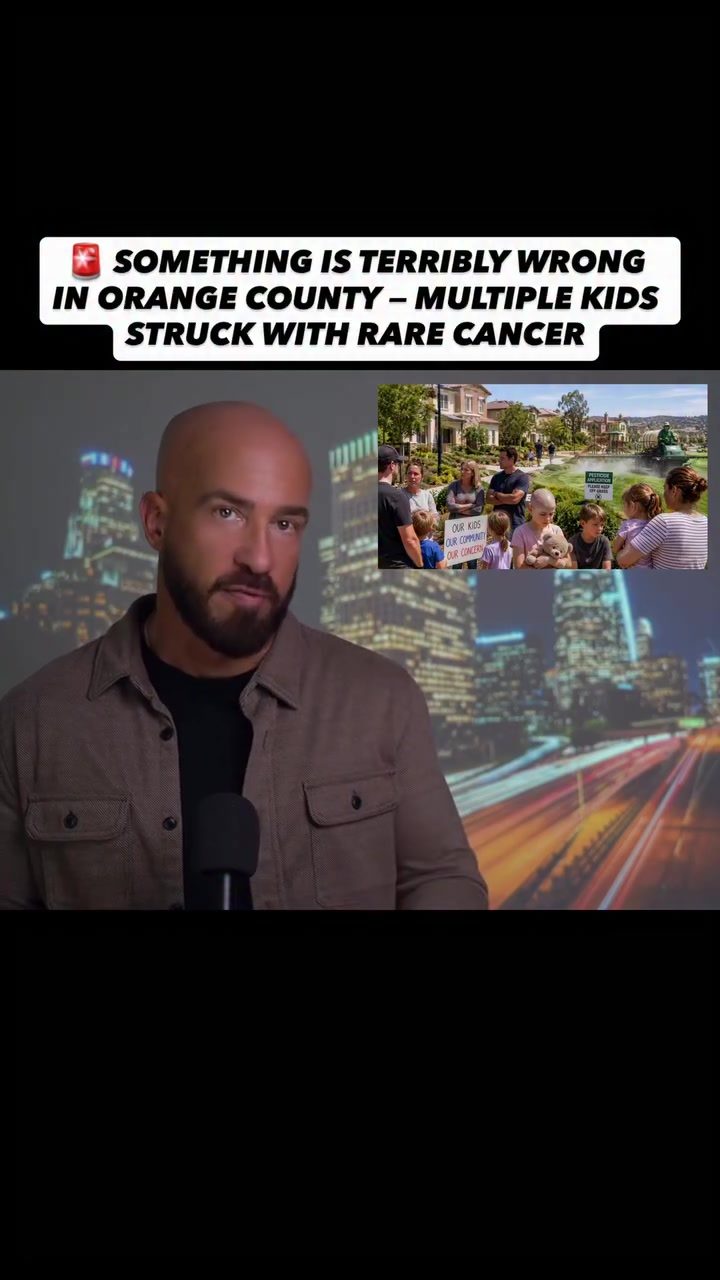
A Rare Cancer Crisis in Ladera Ranch, Orange County
Something terrifying is unfolding in Ladera Ranch, a small, family-friendly community nestled within Orange County, California. Multiple children in this tight-knit area have been diagnosed with Ewing sarcoma, a rare and aggressive form of bone cancer. This alarming situation has left parents and community members grappling for answers and demanding action.
Why This Matters
The cluster of Ewing sarcoma cases in Ladera Ranch is unprecedented and deeply concerning. Ewing sarcoma is a cancer that typically affects children and young adults, developing in the bone and soft tissue. It is exceedingly rare, with only about 200 new cases diagnosed in the United States each year. The fact that multiple children in one small community have been affected raises serious questions about potential environmental factors at play.
Understanding Ewing Sarcoma
Ewing sarcoma is a type of cancer that can develop in any bone or soft tissue, but it most commonly affects the pelvis, femur, humerus, ribs, and spine. It is often characterized by symptoms such as pain, swelling, and fever. In the case of Brody, a 15-year-old who lost his battle with the disease, his mother Madison reported that he began experiencing back pain just before his 15th birthday. This highlights the importance of recognizing symptoms early and seeking medical attention promptly.
The Link to Pesticide Use
Parents and community members in Ladera Ranch are pointing to an unusually high use of pesticides in the area as a potential contributing factor to the rise in Ewing sarcoma cases. The concern is not unfounded, as research has shown that certain pesticides can have carcinogenic effects. Exposure to these chemicals, especially over prolonged periods, can increase the risk of cancer in children, who are particularly vulnerable due to their developing bodies and immature immune systems.
The Legal and Regulatory Landscape
The situation in Ladera Ranch is made even more complex by recent legal developments. The Supreme Court recently handed a significant victory to chemical manufacturers like Monsanto, stripping cancer patients' rights to sue these companies under individual state laws. This legal protection means that families affected by these cancers may find it difficult to seek justice and compensation for the harm caused by these chemicals.
Furthermore, Big Ag, the collective term for large agricultural corporations, is pushing for the Save Our Bacon Act, a provision that would eliminate every state's ability to set its own standards for how the animals that families eat are treated and produced. This move could further weaken regulations and safeguards, making it easier for these companies to introduce more untested chemicals into our food and environment.
The Broader Implications
Experts warn that the situation in Ladera Ranch might be just the tip of the iceberg. The introduction of more untested chemicals into our playgrounds, food, and environment by pesticide makers could have far-reaching consequences. This is not just a local issue; it is a national concern that requires immediate attention and action.
Practical Tips
- Stay Informed: Keep yourself updated on the latest news and developments regarding pesticide use and cancer research. Understanding the risks can help you make better decisions for your family.
- Advocate for Change: Support local and national initiatives aimed at increasing pesticide regulations and protecting children's health.
- Monitor Symptoms: Be vigilant about any signs or symptoms of cancer, especially in children. Early detection can significantly improve treatment outcomes.
Important Takeaways
- Community Awareness: It is crucial for communities to be aware of the potential risks associated with high pesticide use and to advocate for stricter regulations.
- Legal Protections: Recent legal developments have weakened the ability of cancer patients to seek justice. This underscores the need for stronger legal protections and oversight.
- Environmental Factors: The environment plays a significant role in health outcomes. Reducing exposure to harmful chemicals can help mitigate the risk of cancer and other diseases.
- Health Monitoring: Regular health check-ups and monitoring for symptoms can help in early detection and treatment of cancer.
Conclusion
The situation in Ladera Ranch serves as a wake-up call for communities across the country. It highlights the urgent need to address the potential health risks associated with pesticide use and to advocate for stronger regulations and legal protections. As parents and community members, it is essential to stay informed, vigilant, and proactive in safeguarding our children's health. The fight against cancer, especially in cases like Ewing sarcoma, requires collective effort and unwavering determination.
Questions readers ask
What is Ewing sarcoma and why is its occurrence in Ladera Ranch concerning?
Ewing sarcoma is a rare and aggressive type of bone cancer that typically affects children and young adults. Its occurrence in Ladera Ranch is alarming because multiple cases have been diagnosed in a small community, suggesting a potential cluster. This is concerning because Ewing sarcoma is usually rare, with only about 200 new cases diagnosed in the United States each year.
What are the primary concerns of the Ladera Ranch community?
The Ladera Ranch community is deeply worried about the potential link between the high use of pesticides in the area and the cluster of Ewing sarcoma cases among children. Parents and residents are seeking answers and demanding action to address these health concerns and understand the environmental factors at play.
What environmental factors are being investigated in relation to the cancer cases?
The high use of pesticides in Ladera Ranch is the primary environmental factor under scrutiny. The community is concerned about potential exposure to these chemicals and their possible connection to the rare cancer cases, particularly Ewing sarcoma, among the children in the area.
What actions are being taken in response to the cancer cluster in Ladera Ranch?
The community is actively seeking answers and demanding action from local authorities and health organizations. This includes investigations into potential environmental factors, such as pesticide use, and advocacy for stricter regulations and monitoring to prevent further cases.
What makes the Ladera Ranch cancer cluster unique compared to other cancer clusters?
The Ladera Ranch cancer cluster is unique due to the rarity of Ewing sarcoma and the fact that multiple cases have been diagnosed in a small, tight-knit community. This concentration of cases in such a specific area has raised significant alarm and prompted a closer look at potential environmental factors, particularly pesticide use.
What steps can parents take to protect their children from potential environmental hazards in Ladera Ranch?
Parents can take proactive steps to minimize exposure to potential hazards by staying informed about local pesticide use, advocating for stricter regulations, and participating in community efforts to address environmental concerns. Regular health check-ups and open communication with healthcare providers are also crucial for early detection and intervention.
What resources are available for families affected by the cancer cluster in Ladera Ranch?
Families affected by the cancer cluster can seek support from local health organizations, community groups, and advocacy networks. These resources can provide emotional support, information, and assistance in navigating the healthcare system. Additionally, local authorities and health departments may offer resources and updates as investigations into the cluster continue.
Related deep dives
Similar reads based on topic and creator.

Recent articles
Fresh deep dives from the latest Reels we unpacked.




Comments
Be the first to comment.