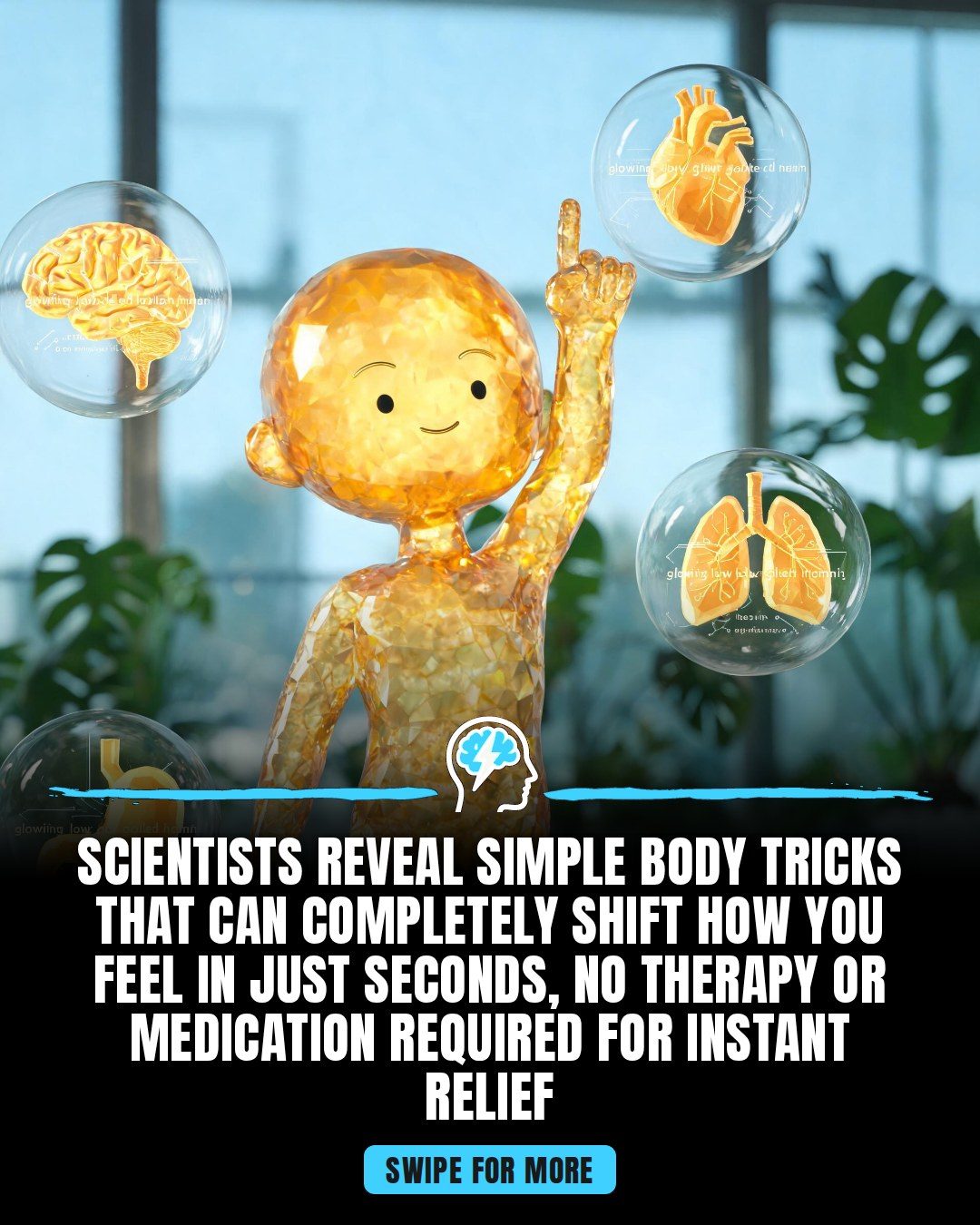
Body Tricks for Quick Relief
The human body and mind are intricately connected, and small physical shifts can provide immediate relief from stress or fatigue. This concept is backed by health professionals and scientists. Learning a few quick, no-equipment tricks can make a big difference in managing daily stress. By understanding how your nervous system responds to certain triggers, you can easily shift from a state of high alert to calm.
Why This Matters
In today's fast-paced world, stress and fatigue are common experiences. These feelings can sneak up at any moment, affecting both your physical and mental well-being. While deeper, long-term issues require more extensive solutions, quick fixes can help you navigate those small, everyday challenges that can build up over time.
Your Nervous System and Quick Tricks
Temperature Tricks
Cold Water Awakening
One of the easiest ways to snap yourself awake is by splashing cold water on your face. This technique triggers the dive reflex, which slows down your heart rate and gives you a jolt of alertness. The dive reflex is an involuntary response that occurs when the face is submerged in cold water, preparing the body for a dive. It is a natural mechanism that can be harnessed to quickly refresh your mind and body.
Warm Showers for Relaxation
Conversely, taking a warm shower can ease nasal congestion and promote relaxation. Warm water helps clear your airways, reducing physical and mental stress. This simple practice can make a significant difference in how you feel, especially when you're dealing with a stuffy nose or overall tension.
Breathing Techniques
Breath Control
Breathing techniques are powerful tools for managing stress and anxiety. By controlling your breath, you can influence your body's response to stress. Techniques such as taking longer exhales than inhales signal to your brain that it is safe to relax. This awareness can help calm your mind and body, making it easier to handle stressful situations.
Progressive Muscle Relaxation
Combining slow, rhythmic breathing with progressive muscle relaxation can help release tension before it escalates into anxious thoughts. This technique involves tensing and then slowly relaxing each muscle group in your body. When done mindfully, it can be a powerful tool for managing stress and promoting relaxation.
Mind Anchoring
Staying Present
Anchoring yourself in the present moment can bring back clarity when your mind is racing. Placing a hand on your chest and taking deep breaths helps focus your attention. This simple act can provide a grounding effect, pulling your mind out of a negative thought loop. Practicing this technique can help you stay centered and calm, even in the midst of chaos.
Breaking Routine
Another effective trick is to brush your teeth with your non-dominant hand. This action forces your brain out of autopilot and breaks repetitive thought loops. It's a small but powerful way to disrupt habitual patterns and bring clarity to your mind.
Practical Tips
Incorporating Tricks into Daily Life
-
Morning Routine
Start your day with a splash of cold water on your face. This simple act can help you wake up and feel more alert, setting a positive tone for the rest of the day. Combine this with a few minutes of slow, rhythmic breathing to fully relax and prepare for the day ahead.
-
Midday Reset
If you find yourself feeling overwhelmed or stressed in the middle of the day, try taking a short break for a warm shower. The warmth and moisture can help clear your nasal passages and ease any physical tension, giving you a quick reset.
-
Evening Wind Down
As you wind down for the evening, practice progressive muscle relaxation. This technique can help you release any remaining tension from the day, promoting better sleep and overall relaxation.
Creating a Calm Environment
-
Mindful Breathing
Throughout the day, take a few minutes to practice mindful breathing. Focus on taking longer exhales than inhales, and notice how your body responds to the slower, more deliberate breaths.
-
Breaking the Cycle
Whenever you feel stuck in a repetitive thought loop, try brushing your teeth with your non-dominant hand. This small change can help break the cycle and bring you back to the present moment.
Important Takeaways
These tricks are designed to provide quick, no-equipment relief from stress and fatigue. While they won't solve deep, long-term problems, they are effective for managing the everyday challenges that can build up over time. By incorporating these techniques into your daily routine, you can learn to better handle hard moments, making them easier to navigate.
Conclusion
The human body and mind are closely connected, and small physical shifts can provide quick relief from stress and fatigue. By understanding how your nervous system responds to specific triggers, you can easily shift from a state of high alert to calm. Incorporating these quick tricks into your daily life can help you manage stress more effectively, making everyday challenges feel more manageable.
Questions readers ask
How does splashing cold water on my face help with stress relief?
Splashing cold water on your face triggers the body's 'dive reflex,' which is a natural response designed to conserve oxygen and slow the heart rate. This reflex helps to calm the nervous system, promoting a sense of relaxation and reducing stress. The sudden change in temperature also helps to shock the body, quickly diverting focus from stress triggers.
What are some quick stress relief techniques I can do at work?
For instant stress relief at work, try the '4-7-8' breathing exercise: inhale for 4 seconds, hold your breath for 7 seconds, then exhale for 8 seconds. You can also practice 'seated' yoga movements like, forward and back bends, or taking a quick walk around the office to help reset your nervous system.
Why is taking a warm shower beneficial for stress relief?
A warm shower helps to relax muscles and ease tension in the body. Also, the steam created by a warm shower can help to open up nasal passages and promote better breathing, which can help you feel more relaxed. The routine of taking a shower can also signal to your mind that it's time to relax.
What is the science behind using small body movements for stress relief?
Small body movements can send signals to the brain to reduce the body's 'fight or flight' response. For instance, making yourself smaller by curling up can trick the brain into thinking you are safer, while stretching can help to release physical tension. These movements help to regulate the nervous system, promoting a sense of calm.
How can I use my breath to relieve stress quickly?
Controlled breathing exercises can help to stimulate the vagus nerve, which connects the brain to the body's organs and is linked to mood regulation. By focusing on slow, deep breaths, you can activate the body's relaxation response, helping to lower heart rate and blood pressure, and promoting a sense of calm.
What are some stress relief triggers I can use at home?
At home, you can use triggers like lighting a scented candle, listening to calming music, or diffusing essential oils to create a relaxing atmosphere. You can also try applying a warm or cold compress to your neck or forehead to help soothe your senses and relieve tension.
How can I use cold water for stress relief if I don't have access to a sink?
If you don't have access to a sink, try carrying a small bottle of cold water with you. When you feel stressed, apply the cold water to your wrists or the back of your neck. This can help to cool your blood, which sends a signal to your brain to slow your heart rate and promote relaxation.
Related deep dives
Similar reads based on topic and creator.



Recent articles
Fresh deep dives from the latest Reels we unpacked.




Comments
Be the first to comment.