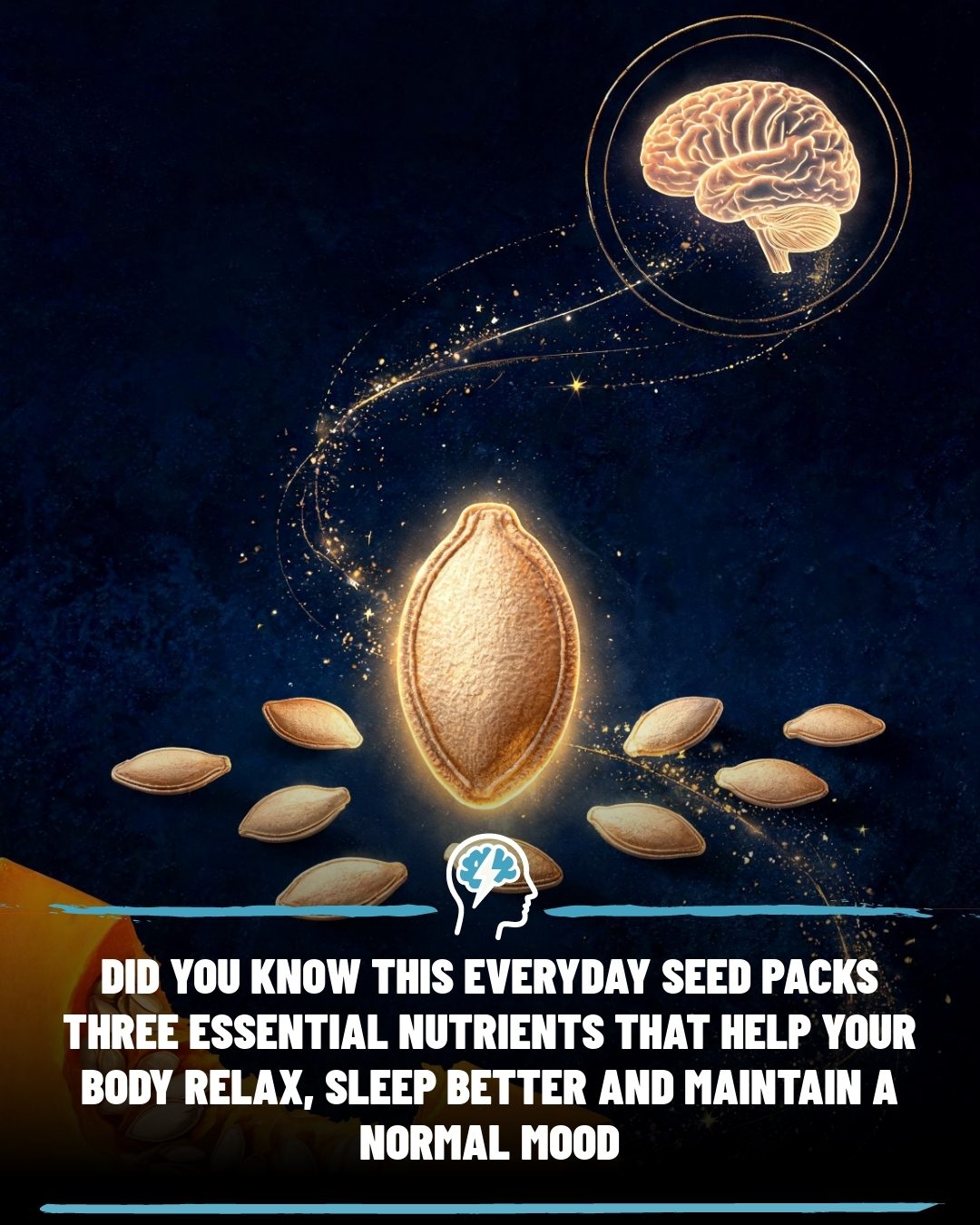
Pumpkin Seeds: More Than a Fall Snack
Pumpkin seeds are often relegated to the status of a seasonal snack, but these little seeds pack a powerful nutritional punch that extends far beyond their role as a fall treat. Beyond their tasty crunch, pumpkin seeds are loaded with essential nutrients that support relaxation, better sleep, and mood maintenance. Here's a closer look at why pumpkin seeds are a valuable addition to any diet, year-round.
Why This Matters
Modern diets often fall short in providing key nutrients that support overall health and wellness. Incorporating nutrient-rich foods like pumpkin seeds can help fill these gaps, ensuring that the body gets the essential elements it needs to function optimally. Pumpkin seeds are particularly noteworthy for their combination of magnesium, zinc, and tryptophan, which work together to regulate various bodily functions.
The Power of Nutrient-Rich Seeds
The Three Essential Nutrients
Pumpkin seeds are packed with magnesium, zinc, and tryptophan—the three essential nutrients highlighted in the visual display. These nutrients aren't just beneficial; they are crucial for maintaining a healthy body and mind.
Magnesium
Magnesium is a critical mineral that plays a significant role in calming the nervous system. It regulates neurotransmitters, which carry signals through your brain and body. Steady levels of magnesium mean better stress management and easier relaxation. Magnesium also supports healthy blood pressure, is involved in over 300 biochemical reactions in the body, and helps ease muscle tension and physical fatigue.
Zinc
Zinc is another essential nutrient found in pumpkin seeds. It supports cognitive function and communication between brain cells, making it a vital component for overall brain health. Zinc's role in the body is multifaceted, and it is involved in numerous biochemical reactions that keep the body functioning smoothly.
Tryptophan
Tryptophan is often the unsung hero in the trio of essential nutrients. It's a precursor to serotonin and melatonin, two hormones that play a crucial role in mood regulation and sleep cycles.
- Serotonin: Known as the "feel-good" hormone, serotonin helps regulate mood, appetite, and sleep.
- Melatonin: This hormone controls the body's sleep-wake cycle, ensuring that you get the restorative sleep your body needs.
The combination of tryptophan, zinc, and magnesium in pumpkin seeds makes them an efficient way to convert tryptophan into serotonin and melatonin, leading to deeper sleep and a more stable mood.
Incorporating Pumpkin Seeds into Your Diet
One of the best things about pumpkin seeds is their versatility. They can be enjoyed in a variety of ways, making it easy to incorporate them into your daily meals.
Easy Ways to Enjoy Pumpkin Seeds
- Raw or Roasted: Pumpkin seeds can be enjoyed raw or roasted, depending on your preference. Roasting them can enhance their flavor and crunch, making them a satisfying snack.
- Sprinkle Over Meals: Add a sprinkle of pumpkin seeds to your oatmeal or yogurt for an extra boost of nutrients. They pair well with both sweet and savory dishes.
- Mix into Salads: Toss pumpkin seeds into your favorite salad for added crunch and nutritional value. They complement a wide range of salad ingredients, from leafy greens to protein-rich toppings.
- Trail Mix: Mix pumpkin seeds into your trail mix for an extra dose of protein and healthy fats, keeping you full and energized during the day.
Full of fiber and healthy fats, pumpkin seeds are a great way to support digestion and maintain a feeling of fullness, helping to curb overeating.
Practical Tips for Maximizing Nutrient Intake
Snacking on Seeds
Pumpkin seeds make an excellent snack option, especially for those looking to boost their nutrient intake without adding a lot of calories. A small handful can provide a significant amount of magnesium, zinc, and tryptophan, making it a convenient way to ensure you're getting these essential nutrients.
Meal Prep
Incorporating pumpkin seeds into your meal prep can be a game-changer. Whether you add them to salads, soups, or baked goods, pumpkin seeds can elevate the nutritional content of your meals without much effort. Consider roasting a batch of pumpkin seeds at the beginning of the week and storing them in an airtight container for easy access.
Seasonal Eating
While pumpkin seeds are often associated with fall, they are available year-round and can be enjoyed in a variety of seasonal dishes. From summer salads to winter stews, pumpkin seeds add a nutty flavor and a satisfying crunch to any meal.
Important Takeaways
Pumpkin seeds are a nutritional powerhouse, packed with magnesium, zinc, and tryptophan. These essential nutrients support relaxation, better sleep, and mood maintenance, making pumpkin seeds a valuable addition to any diet. Whether enjoyed as a snack or incorporated into meals, pumpkin seeds offer a convenient and delicious way to fill nutrient gaps and support overall health.
Conclusion
The next time you find yourself reaching for a snack, consider grabbing a handful of pumpkin seeds. These little powerhouses are loaded with essential nutrients that support your body's relaxation, sleep, and mood regulation. Incorporating pumpkin seeds into your diet is an easy and delicious way to boost your nutrient intake and support your overall well-being.
Questions readers ask
How do pumpkin seeds aid in relaxation and sleep?
Pumpkin seeds contain magnesium and tryptophan, which are essential for promoting relaxation and sleep. Magnesium helps to regulate neurotransmitters that relax the brain, while tryptophan is converted into serotonin and melatonin, hormones that help induce sleep and maintain its quality.
What role does zinc in pumpkin seeds play in mood enhancement?
Zinc is a crucial mineral for brain health and mood regulation. It helps to support the production of neurotransmitters like serotonin and dopamine, which are responsible for maintaining a positive mood. Including zinc-rich foods like pumpkin seeds in your diet can help combat stress and mood swings.
Can eating pumpkin seeds really improve the quality of my sleep?
Absolutely. Pumpkin seeds are a great source of tryptophan, melatonin and magnesium, which are all linked to better sleep. Magnesium helps relax the muscles and mind, while tryptophan and melatonin help regulate sleep cycles, making pumpkin seeds a natural and tasty sleep aid.
What are some creative ways to incorporate pumpkin seeds into my daily meals?
Pumpkin seeds are versatile and can be added to a variety of dishes. You can sprinkle them on salads, yogurt, or oatmeal for an extra crunch. They can also be used as a topping for soups or blended into smoothies. Additionally, they make a great snack on their own, either raw or roasted.
How do pumpkin seeds support overall brain health?
Pumpkin seeds are rich in nutrients like zinc and magnesium, which are essential for brain function. These nutrients help to support cognitive health, improve memory, and enhance overall brain performance. Regular consumption of pumpkin seeds can contribute to maintaining optimal brain health.
Related deep dives
Similar reads based on topic and creator.



Recent articles
Fresh deep dives from the latest Reels we unpacked.




Comments
Be the first to comment.