Electric Vehicle Transition
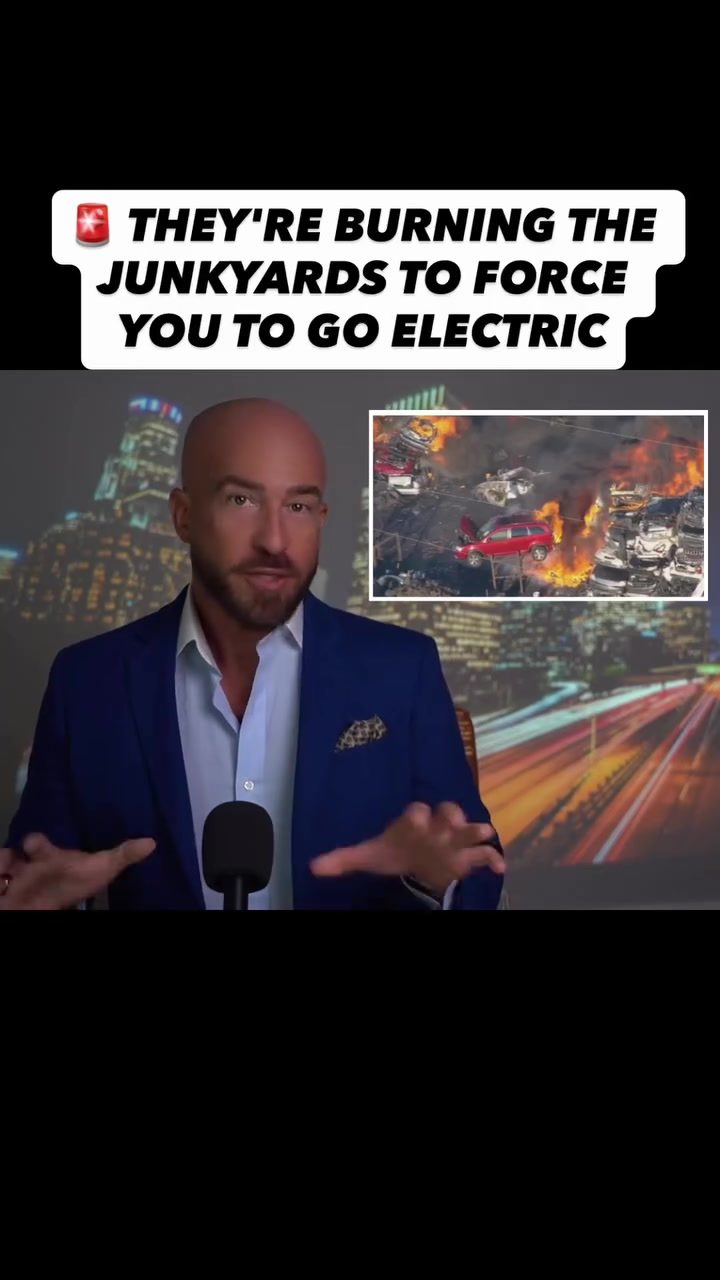
The transition to electric vehicles (EVs) is a hot topic, and recent events have sparked debates and theories about the methods allegedly being used to accelerate this shift. One controversial theory suggests that junkyards are being targeted and destroyed to force people to switch to electric vehicles.
Why This Matters
The automotive industry is undergoing a significant transformation, with electric vehicles becoming increasingly popular. This shift is driven by various factors, including environmental concerns, government regulations, and technological advancements. Understanding the dynamics behind this transition is crucial for consumers, industry professionals, and policymakers alike. The theory that junkyards are being systematically destroyed to force this transition adds a controversial layer to the discussion.
Main Discussion
The Theory: Junkyards Burning to Promote EVs
The central claim is that numerous junkyards have been set ablaze, leading to the destruction of thousands of gas-powered vehicles. These fires are said to be more than mere accidents; they are seen as a deliberate strategy to eliminate the supply of spare parts crucial for keeping older, gas-powered cars on the road. This lack of parts would make repairs costly and difficult, pushing car owners to switch to electric vehicles.
The Mechanics of the Theory
The theory posits that the destruction of junkyards is not just about reducing the availability of spare parts; it's about sending a clear message. By making it impossible to repair older vehicles, the narrative goes, the automotive industry is effectively forcing consumers to opt for electric vehicles. The argument is that by raising the costs and reducing the supply of parts, the transition to EVs becomes inevitable.
The Evidence: Multiple Fires and Lack of Suspects
According to the theory, an estimated 13 junkyards have been engulfed in massive fires, resulting in the loss of thousands of gas-powered vehicles. The absence of suspects, admissions, or satisfactory explanations has left many questioning the legitimacy of these fires. The persistence of these incidents, despite the lack of concrete evidence, has fueled speculation that there is a concerted effort to eliminate the competition and promote the adoption of electric vehicles.
Practical Tips
Stay Informed
To make informed decisions, it's crucial to stay updated on the latest developments in the automotive industry. Follow credible sources for news and analysis on the transition to electric vehicles. This will help you understand the broader context and any potential impacts on your vehicle repair and maintenance decisions.
Consider Long-Term Costs
When evaluating the cost of maintaining an older, gas-powered vehicle versus purchasing an electric vehicle, consider the long-term costs. This includes factors like fuel efficiency, maintenance expenses, and potential future regulations that may affect older vehicles.
Explore Alternative Parts Sources
If you are a car enthusiast or rely on older vehicles, consider exploring alternative sources for spare parts. This might include salvage yards in less affected areas, online marketplaces, or even specialized auto part suppliers. Proactive planning can mitigate the impact of reduced supplies.
Evaluate Your Options
If you are considering purchasing a new vehicle, weigh the benefits and drawbacks of electric vehicles versus traditional gas-powered cars. Consider factors like environmental impact, fuel costs, charging infrastructure, and long-term maintenance. Making an informed choice will help you navigate the transition more smoothly.
Important Takeaways
The debate around the destruction of junkyards highlights the complexities of the transition to electric vehicles. While the theory is controversial and lacks concrete evidence, it underscores the broader issues at play. The automotive industry is evolving, and staying informed and proactive can help you navigate this transition effectively.
Conclusion
The transition to electric vehicles is a multifaceted issue, and the theory that junkyards are being destroyed to force this shift adds a layer of intrigue and concern. Whether or not this theory holds water, it serves as a reminder of the broader dynamics at play in the automotive industry. Staying informed, evaluating your options, and planning for future needs will help you navigate the transition to electric vehicles more effectively.
Questions readers ask
What evidence supports the theory that junkyards are being deliberately burned to push the electric vehicle transition?
The theory is based on a pattern of suspicious junkyard fires, which have led some to question the motives behind these incidents. While there is no concrete proof, the frequent destruction of facilities that house spare parts for gas cars has sparked suspicion. However, establishing a direct link to a coordinated effort to accelerate the electric vehicle transition remains speculative.
How does the destruction of junkyards affect the availability of gas car parts?
Junkyards serve as a vital source of spare parts for older gas cars, as they offer affordable and sometimes hard-to-find components. When these facilities are destroyed, the supply of these parts diminishes, making repairs more challenging and costly. This scarcity could incentivize car owners to consider switching to electric vehicles, as maintaining older gas cars becomes less feasible.
What are some of the motivations behind the alleged tactic of burning junkyards?
The alleged tactic is believed to be part of a broader strategy to address environmental concerns and reduce carbon emissions. By making it harder to repair older gas cars, the aim might be to steer consumers towards electric vehicles, which are generally considered more eco-friendly. Additionally, the automotive industry's push for electric vehicles, driven by government regulations and technological advancements, could also be behind these events.
Who might be behind the alleged junkyard fires, and what are their goals?
The actors behind the alleged junkyard fires remain unclear, though some theories point to stakeholders in the automotive industry, environmental activists, or even organized groups with interests aligned with the electric vehicle transition. Their goals could range from accelerating the adoption of electric vehicles to influencing policy decisions and market trends in favor of electric cars.
What are some of the potential consequences of the alleged junkyard destruction?
If the theory proves true, the potential consequences include a shift in the automotive market towards electric vehicles, increased pressure on governments to implement stricter regulations, and a significant change in consumer behavior. Additionally, the destruction of junkyards could lead to economic shifts, as repair shops and related businesses adapt to the changing landscape of car maintenance and ownership.
How can consumers protect themselves from being affected by the alleged junkyard fires?
Consumers can take proactive measures by maintaining their gas cars regularly and investing in necessary repairs to extend their lifespan. Additionally, they can explore alternative sources for spare parts, such as online marketplaces or specialized auto parts stores, to ensure they have access to the components they need to keep their gas cars running.
What actions are being taken in response to the alleged junkyard fires and the electric vehicle transition?
Some stakeholders are advocating for increased law enforcement and surveillance to prevent and investigate suspicious junkyard fires. Additionally, the automotive industry and policymakers are engaging in discussions on how to address the transition to electric vehicles in a fair and sustainable way, ensuring that consumers have access to the information and resources they need to make informed decisions about their transportation choices.
Related deep dives
Similar reads based on topic and creator.




Recent articles
Fresh deep dives from the latest Reels we unpacked.




Comments
Be the first to comment.