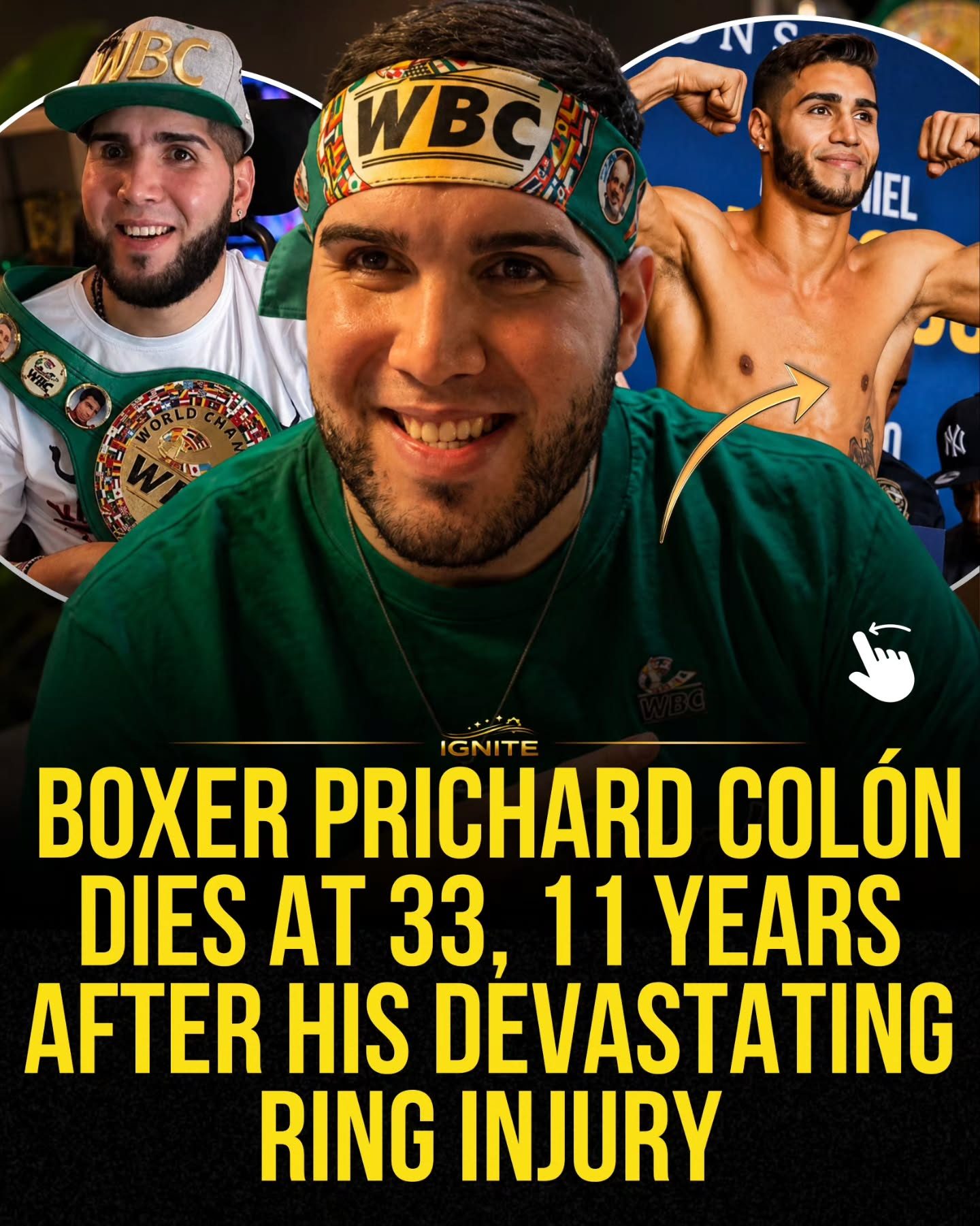
Boxing Tragedy: Prichard Colón's Year-Long Battle and Legacy
Prichard Colón, a former Puerto Rican boxer, passed away on August 13, 2026, at the age of 33. His death marked the end of an 11-year battle following a devastating brain injury sustained during a 2015 fight against Terrel Williams. Colón's story is a stark reminder of the long-term dangers of traumatic brain injuries in boxing.
Why this Matters
Colón's tragic journey highlights the severe and lasting impacts of brain injuries in combat sports. His case underscores the need for improved safety measures, better medical protocols, and ongoing awareness about the risks posed by repeated blows to the head.
Colón's career, though promising, was cut short by a brutal injury that left him in a coma for 221 days. The extent of his neurological damage required round-the-clock care, illustrating the profound and enduring consequences of such injuries. His story serves as a poignant reminder of the human cost involved in high-impact sports.
The Early Career and Rise to Prominence
Colón's boxing career showed early promise. He was known for his skill and determination in the ring, earning the WBC belts that symbolized his achievements. His journey was marked by hard work, dedication, and a relentless pursuit of excellence. He was a champion in his prime, and his legacy within the boxing community is one of resilience and talent.
The Fateful Night
Colón’s life took a dramatic turn during a fight against Terrel Williams in 2015. The night ended tragically when Colón suffered repeated blows to the back of his head, resulting in a severe brain injury. The impact of these blows left him in a coma for an extended period, followed by permanent neurological damage. This incident not only ended his boxing career but also altered the course of his life and that of his family.
Life After the Injury
Colón required continuous, specialized care due to the extent of his injuries. His family stood by him, ensuring he received the best possible medical support. Despite the challenges, Colón's story remained a poignant reminder of the risks associated with boxing and the need for better safety protocols.
The Long-Term Impact of Traumatic Brain Injuries
Colón's experience highlights the chronic and often irreversible effects of traumatic brain injuries. These injuries can lead to long-term cognitive, physical, and emotional impairments, significantly affecting an individual's quality of life. The lasting impact of such injuries emphasizes the importance of continuous research, improved medical care, and enhanced safety measures in combat sports.
Medical and Personal Challenges
Colón's journey was marred by medical and personal challenges. He faced a long road to recovery, requiring round-the-clock care and ongoing medical intervention. His family's unwavering support played a crucial role in managing these challenges. However, the constant need for specialized care and the emotional toll on the family were significant burdens.
Public Awareness and Support
The public's response to Colón's story underscores the broader conversation about the risks of boxing and the need for better safety measures. His journey raised awareness about the long-term dangers of traumatic brain injuries and the importance of supporting athletes and their families in the aftermath of such incidents.
Practical Tips for Safety in Boxing
While the risks in boxing are inherent, several measures can help mitigate them:
Enhanced Protective Gear
Incorporating advanced protective gear, such as improved headgear and mouthguards, can significantly reduce the risk of injuries. Advancements in material science and design can provide better protection without compromising performance.
Regular Medical Check-Ups
Routine medical check-ups and neurological assessments can help detect early signs of injury. Regular monitoring can ensure that athletes receive timely intervention, reducing the severity of long-term impacts.
Training and Education
Boxers and coaches should be educated on the signs and symptoms of brain injuries. Training programs should emphasize safety protocols and the importance of immediate medical attention in case of suspected injury.
Improved Ring Regulations
Enforcing stricter guidelines for ring conditions and fight duration can help minimize the risk of severe injuries. Regulations should focus on preventing excessive blows to critical areas, such as the back of the head, which can lead to life-altering injuries.
Important Takeaways
Prichard Colón’s story is a sobering reminder of the inherent risks in boxing and the devastating consequences of traumatic brain injuries. His journey underscores the need for enhanced safety measures, better medical care, and ongoing support for athletes and their families. Colón's legacy serves as a call to action for the boxing community to prioritize safety and well-being in the sport.
Conclusion
Prichard Colón left a lasting impact on the boxing world, not just through his achievements in the ring, but also through the challenges he faced in the aftermath of his injury. His story will continue to resonate as a reminder of the dangers in combat sports and the importance of safety and support for athletes. Colón’s legacy will inspire ongoing efforts to improve safety measures and ensure a better future for boxers worldwide.
Questions readers ask
What caused Prichard Colón's tragic brain injury?
Prichard Colón suffered a severe brain injury during a 2015 boxing match against Terrel Williams. The injury occurred due to repeated blows to the head, which led to long-term complications and ultimately a coma that lasted 221 days.
What were the long-term effects of Prichard Colón's brain injury?
Colón's brain injury resulted in a coma that lasted over seven months. He required constant care for the remainder of his life, and tragically, he passed away in 2026, at the age of 33, after an 11-year battle with the effects of the injury.
What safety measures could have potentially prevented Prichard Colón's injury?
Prichard Colón's case underscores the need for improved safety measures in combat sports. This could include better medical protocols, more stringent regulations, and enhanced protective gear to reduce the risk of severe brain injuries during fights.
How did Prichard Colón's story impact the boxing community?
Colón's tragic story served as a stark reminder of the long-term dangers and risks associated with traumatic brain injuries in boxing. It prompted discussions about the need for better safety protocols and increased awareness of the potential health risks in combat sports.
What was the significance of Prichard Colón's passing in 2026?
Prichard Colón's death in 2026 marked the end of a prolonged struggle with the consequences of a severe brain injury. His passing highlighted the lasting impacts of traumatic brain injuries in boxing and reinforced the call for improved safety measures in the sport.
What can we learn from Prichard Colón's journey in boxing?
Prichard Colón's journey teaches us about the severe and enduring effects of traumatic brain injuries in boxing. It emphasizes the importance of prioritizing the health and safety of athletes, promoting better medical care, and advocating for stricter regulations in combat sports.
What efforts are being made to improve safety in combat sports following Prichard Colón’s injury?
Following Prichard Colón's injury, there have been increased efforts to improve safety in combat sports. This includes advocating for better protective gear, implementing stricter regulations, and promoting more robust medical protocols to minimize the risks of severe brain injuries.
Related deep dives
Similar reads based on topic and creator.




Recent articles
Fresh deep dives from the latest Reels we unpacked.




Comments
Be the first to comment.