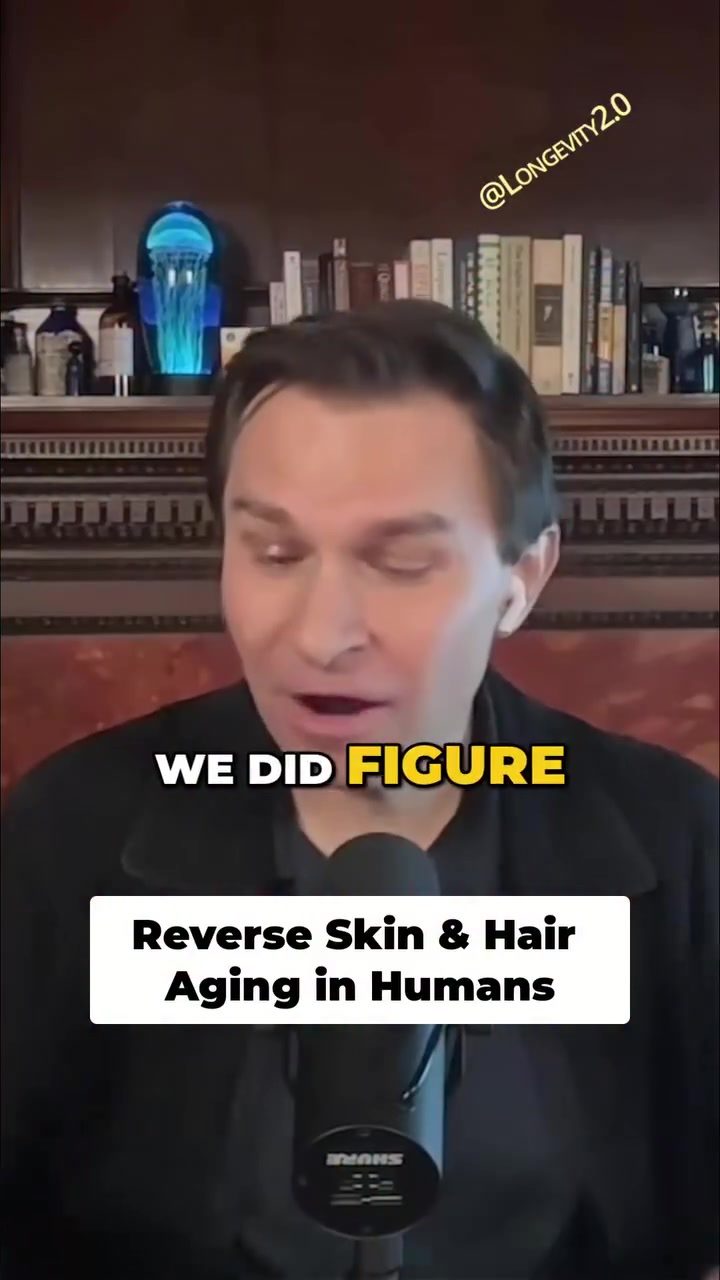
Longevity and Age Reversal
Aging is a complex biological process that affects every aspect of our bodies, from skin health to hair growth. Researchers have long sought ways to mitigate the effects of aging, and recent advancements in longevity research offer promising insights into reversing age-related changes. The focus is not just on extending life but on maintaining youthful health and vitality.
Why This Matters
The potential to reverse skin and hair aging goes beyond cosmetic enhancements. It delves into the fundamental biological processes that govern cellular health and tissue regeneration. By understanding and manipulating these processes, researchers aim to improve overall health and quality of life as we age.
The Science of Age Reversal
Sirtuins and Skin Rejuvenation
One of the key areas of research involves sirtuins, a family of proteins that play a crucial role in cellular health and longevity. Scientists have discovered that activating sirtuins can help rejuvenate skin and improve its protective functions. This breakthrough has led to the development of age-reversal technologies that can be applied both orally and topically.
Animal Studies and Wound Healing
Initial studies conducted on mice have shown remarkable results. Age-reversal technologies administered orally have been found to enhance wound healing and restore more youthful cellular function. This suggests that similar approaches could be effective in humans, opening new avenues for treating age-related skin conditions.
Human Skin and Hair Models
Researchers are now exploring whether these technologies can reverse aspects of skin aging in humans. Preliminary studies involve growing human skin and hair from scratch in a lab setting, allowing scientists to age and rejuvenate these tissues artificially. This controlled environment provides valuable insights into the cellular mechanisms of aging and rejuvenation. Researchers are particularly interested in the potential to stimulate hair regrowth and restore hair pigmentation, offering hope for those experiencing hair loss and graying.
Practical Tips
While the technology is still in its experimental phase, there are several practical steps you can take to support your skin and hair health:
-
Maintain a Healthy Lifestyle: A balanced diet rich in antioxidants, regular exercise, and adequate sleep can contribute to overall health and may support the body's natural regenerative processes.
-
Stay Hydrated: Proper hydration is essential for skin health. Drinking enough water helps maintain skin elasticity and promotes a youthful appearance.
-
Protect Your Skin: Use sunscreen daily to protect your skin from UV damage, which can accelerate aging. Wear protective clothing and avoid prolonged sun exposure.
-
Consider Nutritional Supplements: Some supplements, such as vitamins C and E, have been shown to support skin health. Consult a healthcare provider before starting any new supplement regimen.
-
Stay Informed: Keep up-to-date with the latest research in longevity and age-reversal technologies. Joining a longevity newsletter can provide valuable insights and practical tips for maintaining youthful health.
Important Takeaways
The research on age reversal is still largely in the laboratory setting, but the findings are encouraging. Scientists are making significant strides in understanding how to manipulate the biological processes of aging. This knowledge could lead to technologies that not only extend lifespan but also improve the quality of life by maintaining healthier, more youthful tissues.
Conclusion
The future of longevity medicine is promising, with age-reversal technologies offering hope for reversing the effects of aging on skin and hair. While this research is experimental and more studies are needed, the potential to modify the aging process represents a significant shift in how we think about aging. By focusing on cellular health and tissue regeneration, researchers are paving the way for a future where aging is not just an inevitable decline but a modifiable biological process.
Questions readers ask
What are some key areas of focus in age reversal research for skin and hair?
Age reversal research for skin and hair focuses on several key areas, including the role of sirtuins in cellular health, the impact of telomere length on aging, and the potential of stem cell therapies. Researchers are also exploring the effects of specific compounds and lifestyle factors that can influence the aging process at a cellular level. Additionally, studies are examining the use of advanced technologies, such as gene therapies and CRISPR, to target and reverse age-related changes in skin and hair.
How does research on longevity contribute to skin and hair rejuvenation?
Longevity research contributes to skin and hair rejuvenation by uncovering fundamental biological mechanisms that govern aging. For instance, researchers are finding that longevity pathways, such as the mTOR and AMPK pathways, play critical roles in cellular health and tissue regeneration. By manipulating these pathways, scientists aim to both slow the aging process and reverse age-related changes in skin and hair.
What are some of the most promising anti-aging technologies for reversing skin and hair aging?
Some of the most promising anti-aging technologies for reversing skin and hair aging include stem cell therapies, gene editing tools like CRISPR, and the development of targeted compounds that activate longevity pathways. Non-invasive technologies, such as light therapies and advanced skincare formulations, are also being explored for their potential to enhance skin and hair health and reverse signs of aging.
Can age reversal technologies improve overall health besides skin and hair?
Yes, age reversal technologies have the potential to improve overall health beyond just skin and hair. By targeting fundamental biological processes, these technologies can enhance cellular health and tissue regeneration. This can lead to improved organ function, increased vitality, and a reduced risk of age-related diseases, contributing to a better quality of life as we age.
What is the role of sirtuins in skin and hair rejuvenation?
Sirtuins are a family of proteins that play a crucial role in cellular health and longevity. In skin and hair rejuvenation, sirtuins are being studied for their ability to activate longevity pathways, regulate metabolic processes, and enhance tissue repair. By modulating sirtuin activity, researchers hope to develop targeted therapies that can reverse age-related changes in skin and hair, promoting youthful health and vitality.
What are some of the most effective rejuvenation treatments currently being explored?
Some of the most effective rejuvenation treatments currently being explored include the use of peptides and growth factors to stimulate cellular renewal, the application of platelet-rich plasma (PRP) for tissue regeneration, and the development of next-generation skincare products that incorporate innovative compounds and delivery systems. Additionally, non-invasive procedures, such as laser therapies and radiofrequency treatments, are being used to improve skin texture, reduce wrinkles, and enhance hair growth.
How can lifestyle factors impact the aging process in skin and hair?
Lifestyle factors play a significant role in the aging process of skin and hair. Regular exercise, a balanced diet rich in antioxidants, adequate hydration, and stress management can all contribute to maintaining youthful skin and hair. Additionally, protecting the skin and hair from environmental damage, such as UV radiation and pollution, can help prevent premature aging and maintain overall health and vitality.
Recent articles
Fresh deep dives from the latest Reels we unpacked.




Comments
Be the first to comment.