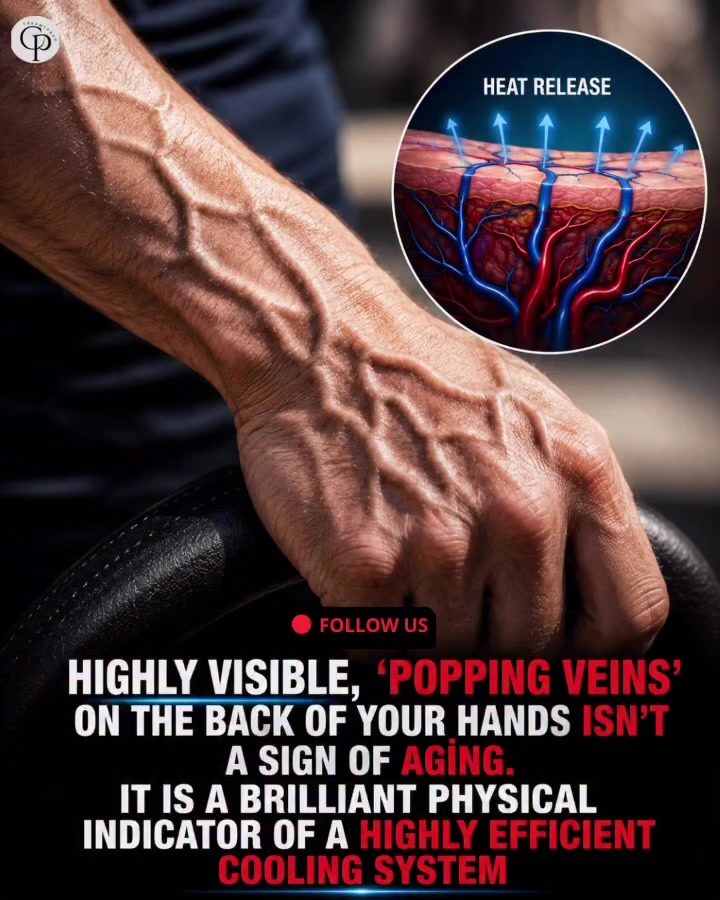
Visible Veins on Hands: More Than Just a Sign of Aging
Visible veins on the backs of hands are often dismissed as a mere sign of aging, but the story behind them is more nuanced. While aging can certainly make veins more noticeable as the skin becomes thinner, this is not the whole picture. Understanding why these veins become prominent involves delving into the body's natural cooling mechanisms.
Context / Why This Matters
Visible veins on the hands are part of the body's thermoregulatory system. This system is responsible for maintaining a stable internal temperature despite changes in the external environment. When the body gets warm—whether from exercise, hot weather, or stress—it triggers a process called vasodilation. During vasodilation, blood vessels widen, allowing more warm blood to flow close to the skin's surface. This increased proximity to the skin helps heat escape into the air, effectively cooling the body. The hands, in particular, play a crucial role in this cooling process. Their specialized blood vessels are highly efficient at releasing heat, making visible veins a potential indicator of a healthy, functioning cooling system.
Main Discussion
The Role of Vasodilation
Vasodilation is the body's natural response to increased heat. This process involves the widening of blood vessels, which allows more blood to flow closer to the skin's surface. As a result, the body can dissipate heat more efficiently. The hands and feet, with their dense network of blood vessels, are particularly effective at this. The visible veins on the backs of the hands are a direct result of this vasodilation, indicating that the body is actively working to regulate its temperature.
Factors Influencing Vein Visibility
Multiple factors can influence the visibility of veins on the hands. While aging is a common cause, it is not the only one. People who are lean, well-hydrated, and physically active often have more noticeable veins. This can also be true for those with naturally thin skin or genetic predispositions that make veins more visible. Additionally, hot weather can trigger the body's cooling mechanisms, leading to more prominent veins.
Misconceptions About Prominent Veins
Despite popular belief, prominent veins do not automatically indicate a "highly efficient cooling system." While heat regulation is one reason veins become more visible, various factors—including age, body fat, muscle mass, genetics, and environmental conditions—all contribute to vein visibility. It is essential to consider these factors when assessing the significance of visible veins.
When to Seek Medical Attention
Visible veins are usually a normal part of the body's thermoregulatory process, but there are times when they could indicate a problem. If a vein suddenly becomes swollen, painful, red, or is accompanied by significant arm swelling, it is important to seek medical attention. These symptoms could signal a vein problem, such as a blood clot or varicose veins, which require medical intervention.
Common Vein Issues
- Varicose Veins: These are twisted, swollen veins that typically appear on the legs but can also occur on the hands. They are usually painless but can cause discomfort and may indicate an underlying issue.
- Blood Clots: A blood clot in a vein can cause swelling, pain, and redness. This condition, known as thrombophlebitis, requires immediate medical attention to prevent complications.
Practical Tips
Maintaining a Healthy Cooling System
To support the body's natural cooling mechanisms, it is essential to maintain a healthy lifestyle. Regular exercise, staying hydrated, and avoiding extreme temperatures can help ensure that the body's cooling system functions optimally.
Monitoring Vein Health
Regular self-examinations of the hands and arms can help detect any unusual changes in veins. If you notice significant swelling, pain, or redness, consult a healthcare professional to rule out any potential issues.
Important Takeaways
- Visible veins on the backs of the hands are part of the body’s natural cooling system and not just a sign of aging.
- Vasodilation, the widening of blood vessels, helps release heat and cool the body.
- Factors like genetics, hydration, and physical activity can influence vein visibility.
- While prominent veins are usually normal, sudden changes can indicate potential health issues.
- Maintain a healthy lifestyle and monitor your veins for any unusual changes.
Conclusion
Visible veins on the hands are a fascinating aspect of human biology. Understanding the underlying mechanisms and factors that influence their visibility can provide valuable insights into the body's natural processes. Regular self-care and awareness of potential issues can help maintain healthy veins and overall well-being.
Questions readers ask
Why do veins on the hands become more visible with age?
As people age, the skin on the back of the hands becomes thinner and loses some of its elasticity, making the underlying veins more visible. Additionally, the body's cooling mechanisms may become more active with age, contributing to vein prominence. However, visible veins are not always a sign of aging alone and can indicate other health factors, such as body temperature regulation.
How does the body's cooling mechanism relate to visible veins on the hands?
The body's cooling mechanism, or thermoregulation, involves vasodilation, a process where blood vessels widen to increase blood flow to the skin's surface and release heat. Visible veins on the hands are a potential sign that this mechanism is functioning properly, helping to regulate body temperature.
Are visible veins on the hands always a cause for concern?
Not necessarily. Visible veins on the hands can be a normal part of the body's thermoregulatory system and may indicate that it is functioning properly. However, if you notice sudden changes in vein visibility, such as veins popping out on the hands, or if they are accompanied by other symptoms, it is a good idea to consult with a healthcare provider to rule out any underlying health issues..
What factors can influence the visibility of veins on the hands?
Several factors can influence hand vein visibility, including age, hydration levels, and physical activity. Additionally, the body's natural cooling mechanisms, which involve vasodilation, can affect how prominent the veins appear. Understanding these factors can provide insights into overall health and the body's ability to regulate temperature.
Can visible hand veins be an indicator of good health?
Yes, visible hand veins can be a sign of a healthy, functioning cooling system. When the veins on the hands are visible, it may indicate that the body is effectively regulating its temperature through vasodilation. However, it is essential to consider other factors and consult with a healthcare provider for a comprehensive assessment of overall health.
What is vasodilation, and how does it relate to visible veins on the hands?
Vasodilation is a process where blood vessels widen to increase blood flow and heat dissipation. When the body gets warm, vasodilation is triggered, and visible veins on the hands may become more prominent as a result. This process is a crucial part of the body's thermoregulatory system and can help maintain a stable internal temperature.
How can I improve the health of the veins on my hands?
To promote the health of the veins on your hands, it is essential to maintain a healthy lifestyle. This includes staying hydrated, exercising regularly, and avoiding prolonged exposure to extreme temperatures. Additionally, applying moisturizers and sunscreen can help protect the skin and keep it hydrated, which can contribute to the overall health of visible veins on the hands.
Related deep dives
Similar reads based on topic and creator.

Recent articles
Fresh deep dives from the latest Reels we unpacked.




Comments
Be the first to comment.