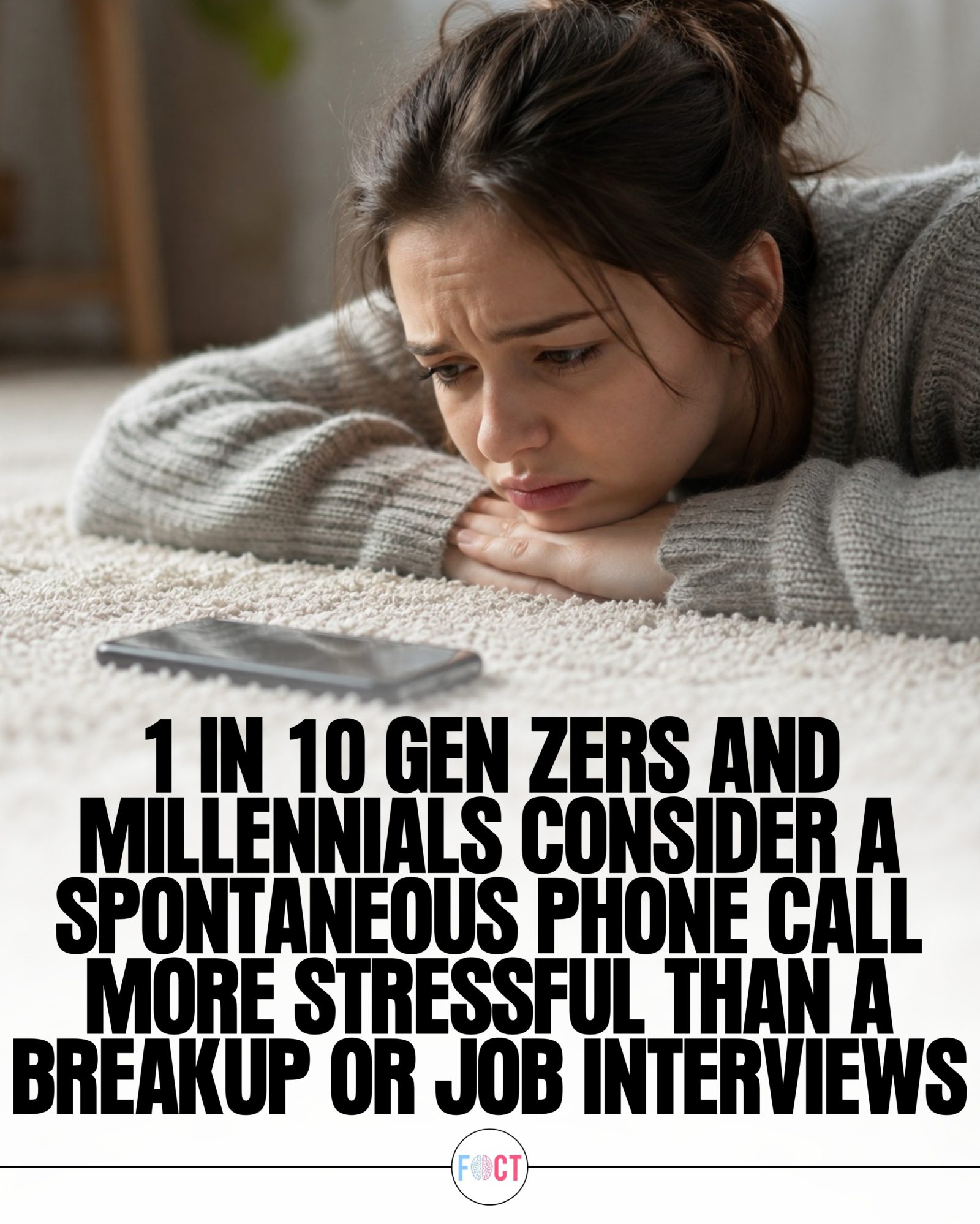
Gen Z Phone Anxiety
The idea of Gen Z and Millennials feeling more anxious about a spontaneous phone call than a breakup or a job interview might seem surprising at first. But recent surveys highlight a shift in how younger generations communicate and perceive stress. This phenomenon is deeply rooted in the evolving landscape of communication and the rise of digital messaging.
Why This Matters
Phone anxiety among younger generations is more than just a cultural quirk; it highlights a profound shift in how we communicate. Understanding this trend can help us navigate our interactions more effectively and empathize with those who prefer texting over voice calls.
Understanding the Shift
The Rise of Digital Communication
Digital communication has reshaped how we interact with one another, especially for those born into a world where smartphones and messaging apps are ubiquitous. Texting and messaging platforms have become the primary modes of communication for many, offering a sense of control and predictability that voice calls often lack.
Immediate vs. Delayed Response
One of the key factors contributing to Gen Z phone anxiety is the immediacy of phone calls. Texting allows for a delayed response, providing time to craft a thoughtful reply. In contrast, phone calls demand an immediate response, leaving many feeling unprepared and anxious. This lack of control over the conversation flow can be particularly stressful.
Predictability and Comfort
Texting offers a level of predictability that phone calls cannot match. When texting, you can see the conversation unfold at a pace you control, and you can easily reference previous messages. Phone calls, on the other hand, are unpredictable and require real-time engagement, which can feel overwhelming for those who prefer a more measured approach to communication.
The Psychological Aspects
Control and Anxiety
The need for control plays a significant role in why phone calls can be more stressful than other life events. Texting provides a buffer between the sender and the recipient, allowing for a sense of control over the conversation. This control can alleviate anxiety, making texting a more comfortable option for many.
Social Norms and Expectations
The shift towards texting and messaging is also influenced by social norms and expectations. Younger generations have grown up in an era where texting is the default mode of communication. This cultural norm can make phone calls feel outdated and uncomfortable, further contributing to the anxiety associated with them.
Practical Tips
If you find yourself or someone you know struggling with phone anxiety, here are some practical tips to help manage it:
Start Small
Begin with short, low-stakes phone calls to build confidence. For example, you could call a friend or family member you’re close with, and start with brief conversations to gradually increase the duration and complexity.
Prepare in Advance
If you know you have an important phone call coming up, prepare in advance. Think about what you want to say and jot down key points. This can help alleviate some of the anxiety that comes with feeling unprepared.
Practice Mindfulness
Mindfulness techniques can help you manage anxiety during a phone call. Take deep breaths, stay present in the moment, and remind yourself that it’s okay to take pauses during the conversation.
Use Technology
Leverage technology to your advantage. For example, use apps that offer voicemail transcription so you can read messages at your own pace before calling back.
Seek Support
If phone anxiety is significantly impacting your daily life, consider seeking support from a therapist or counselor. They can provide strategies and techniques tailored to your specific needs.
Important Takeaways
The rise of Gen Z phone anxiety underscores a broader shift in communication habits. Younger generations increasingly prefer the control and predictability of texting and messaging over the immediacy and unpredictability of voice calls. Understanding these shifts can help us navigate our interactions more effectively and empathize with those who prefer digital communication.
Recognizing the psychological and social factors behind phone anxiety is the first step in managing it. By acknowledging the need for control and the influence of social norms, we can better support those who struggle with phone anxiety.
Conclusion
Gen Z phone anxiety is a real and growing phenomenon that reflects a broader shift in communication habits. By understanding the reasons behind this trend and implementing practical tips, we can better navigate our interactions and support those who find phone calls overwhelming. Whether you prefer texting or talking, recognizing the unique challenges and preferences of each communication mode can foster more empathetic and effective communication in an increasingly digital world.
Questions readers ask
Why do phone calls cause more anxiety for Gen Z and Millennials than other stressful events?
The immediacy and unpredictability of phone calls contribute to increased anxiety. Unlike texting, which allows for controlled and predictable responses, phone calls demand instant reactions and can lead to elevated stress levels. This is particularly heightened in situations where the younger generations are accustomed to communicating primarily through digital messaging.
How has the rise of digital communication impacted the anxiety levels of younger generations during phone calls?
The shift towards digital communication has made younger generations more accustomed to the convenience and control offered by texting. This shift has made the unpredictability and immediacy of phone calls more anxiety-inducing, as they are less familiar with the nuances of voice communication.
What specific aspects of phone calls make them more stressful for younger generations?
The lack of visual cues, the need for immediate responses, and the inability to edit or delete messages during a call contribute to higher anxiety. These factors highlight the control and predictability offered by texting, which are absent in voice calls, making the latter more challenging to manage.
Can texting help reduce anxiety compared to phone calls?
Yes, texting offers a sense of control and predictability that helps manage anxiety. It allows users to think through their responses and avoid immediate pressure, making it a preferred method of communication for many Gen Z and Millennials. This contrasts sharply with the spontaneity and unpredictability of phone calls.
What are the benefits of understanding generational differences in communication preferences?
Understanding these differences can improve interpersonal interactions and foster empathy. By recognizing that younger generations may find phone calls more stressful, we can adapt our communication methods to better suit their preferences, leading to more effective and less anxious exchanges.
Why might younger adults feel more anxious about spontaneous phone calls than planned calls?
Spontaneous phone calls add an element of surprise and immediate expectation that can be overwhelming. Planned calls, on the other hand, allow for some preparation and mental readiness, reducing the anxiety that comes with unexpected voice interactions. This is especially true for those who are more accustomed to the structured nature of digital communication.
Related deep dives
Similar reads based on topic and creator.




Recent articles
Fresh deep dives from the latest Reels we unpacked.




Comments
Be the first to comment.