Friendship Statistics: The Evolution of Close Connections
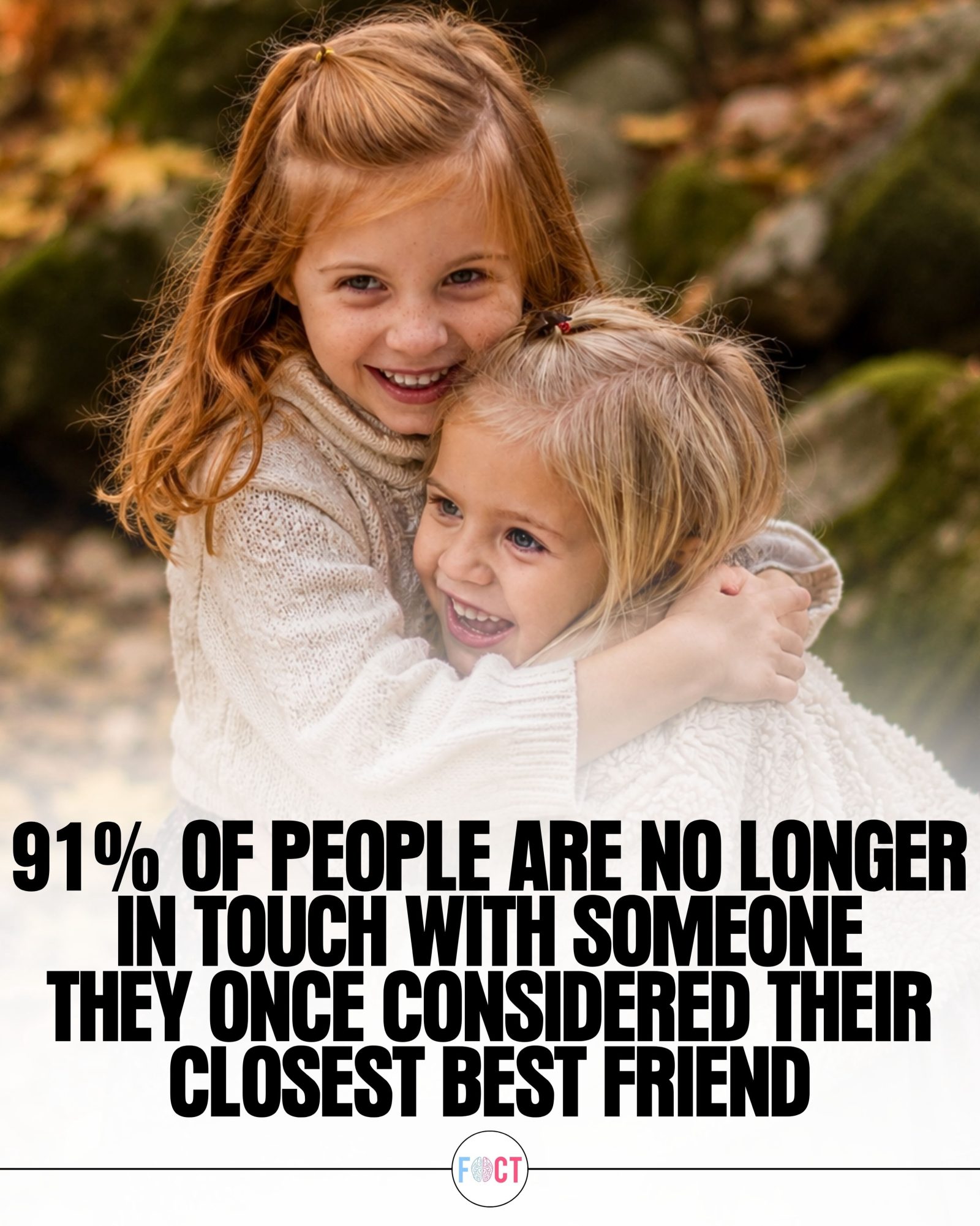
Friendships are a vital part of our lives, offering support, joy, and a sense of belonging. Yet, a recent survey by FOCCT reveals a striking statistic: 91% of people are no longer in touch with someone they once considered their closest best friend. This phenomenon raises questions about the nature of friendships and the factors that contribute to their evolution or dissolution.
Why This Matters
Understanding why friendships drift apart is crucial not just for personal insight but also for appreciating the natural progression of relationships. Life is dynamic, and so are our connections. Changes in life circumstances, personal growth, and shifting priorities all play significant roles in determining the longevity of friendships. Recognizing and navigating these shifts can help in maintaining valuable relationships and understanding the natural ebb and flow of friendships.
The Dynamics of Changing Friendships
Life Changes and Friendship Drift
Life changes such as moving to a new location, career shifts, and transitions in schooling can significantly impact friendships. These changes often lead to physical separation and differing priorities, making it challenging to maintain close connections. According to the FOCCT survey, these life changes are among the primary contributors to drifting friendships. The statistics underscore that evolving circumstances can gradually weaken the bonds that once seemed unbreakable.
Moving and Career Shifts
Moving to a new city or country can be both exciting and daunting. The change in environment often necessitates adapting to new social circles and routines, which can leave less time and energy for maintaining long-distance friendships. Similarly, career shifts—whether they involve promotions, job changes, or increased workloads—can alter daily schedules and priorities, making it difficult to keep up with old friendships.
Personal Growth and School Transitions
Personal growth and transitions in education, such as starting college, switching schools, or progressing to higher education, also play a significant role. These periods are often marked by self-discovery, new experiences, and the formation of new relationships, which can sometimes lead to the fading of past friendships.
The Role of Conflict and Evolving Priorities
It's important to note that drifting friendships are not always the result of conflict. Often, it's the natural evolution of priorities and life paths that lead to the fading of connections. As individuals grow and evolve, their interests, values, and aspirations may change, leading to a gradual drift in once-close friendships. This shift is not necessarily a reflection of the relationship's quality but rather a testament to the dynamic nature of human connections.
Practical Tips for Navigating Changing Friendships
While the statistics may seem daunting, there are practical steps you can take to navigate and maintain valuable friendships, even as life circumstances change.
Maintaining Long-Distance Friendships
Physically distant friends can still be emotionally close. Regular communication, whether through video calls, messages, or letters, can help bridge the gap. Sharing significant life events and milestones with friends, no matter the distance, can keep the bond strong.
Investing in New Connections
As life changes, it's natural to form new connections. Embrace these opportunities and invest time in nurturing these relationships. They can bring fresh perspectives and enrich your life in unexpected ways.
Embracing Change and Acceptance
Accept that friendships naturally evolve and change. Embrace the transformations and appreciate the memories and experiences that have shaped these relationships. Sometimes, the joy lies in recognizing that friendships, like life, are cyclical, and even as connections fade, they leave a lasting impact.
Important Takeaways
The FOCCT survey underscores a universal truth: friendships are dynamic and subject to change. Life transitions, personal growth, and shifting priorities all contribute to the natural evolution of these connections. Understanding these dynamics can help in navigating and cherishing friendships, even as they drift or transform.
Recognizing that drifting friendships are often not due to conflict but rather the natural progression of life can offer a sense of peace and acceptance. It encourages us to treasure the memories and experiences that have shaped our relationships, even as the connections themselves evolve.
Knowing that 91% of people experience this phenomenon can be both comforting and insightful. It reminds us that we are not alone in this experience and that it's a natural part of life. By embracing these changes, we can better appreciate the depth and richness of our friendships, both past and present.
Related deep dives
Similar reads based on topic and creator.



Recent articles
Fresh deep dives from the latest Reels we unpacked.




Comments
Be the first to comment.