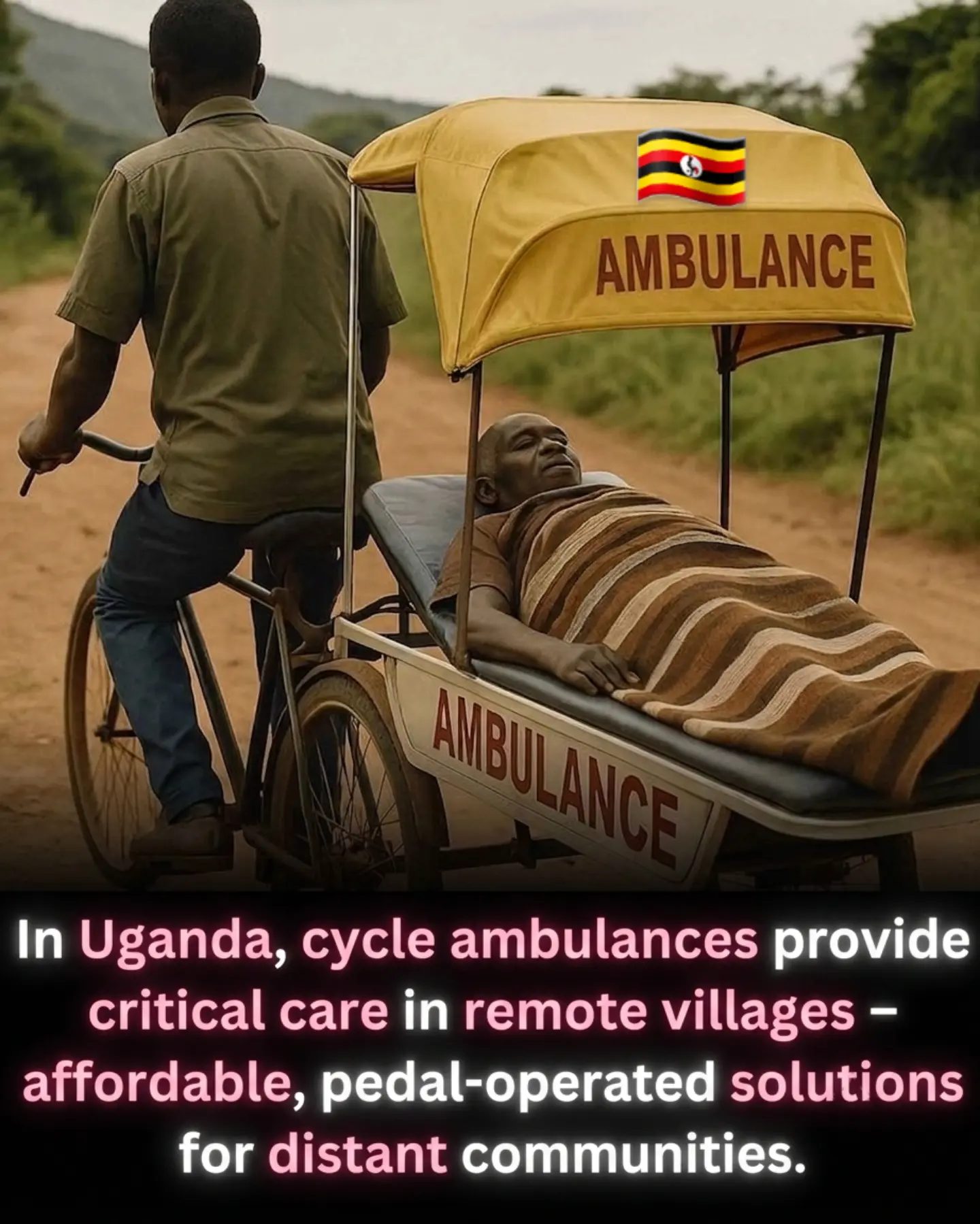
Pedal-Operated Ambulances in Uganda
In remote villages across Uganda, the journey to a medical facility can be a matter of life and death. Pedal-operated ambulances, locally known as "bicycle ambulances," are transforming healthcare access in these distant communities. These innovative, grassroots solutions are bridging critical gaps, especially for maternal health, and showcasing the power of community-led initiatives.
Why This Matters
Uganda's vast rural landscape often poses significant barriers to healthcare access. Distance to a medical facility, rough terrain, and limited resources can turn minor health issues into life-threatening problems. Pedal-operated ambulances are addressing these challenges head-on, providing affordable, accessible, and sustainable healthcare solutions.
Maternal Health
One of the most significant impacts of pedal-operated ambulances is the reduction in maternal mortality. Pregnant women living in remote areas often face long, arduous journeys to reach medical facilities during labor. These ambulances offer a safe, fast, and dignified mode of transport, ensuring that women can deliver under professional care. This intervention is particularly crucial in a country where maternal mortality rates remain high.
Community-Led Initiatives
These ambulances are not just products of high-tech innovation; they are the result of grassroots efforts and community ingenuity. Locals build and maintain these ambulances using locally sourced materials, making them affordable and easily repairable. The ambulances are managed by trained Village Health Teams (VHTs), ensuring that they are well-maintained and readily available for emergencies. This community-led approach fosters a sense of ownership and sustainability, making the ambulances a reliable part of the healthcare infrastructure.
Terrain-Ready Solutions
In many remote areas, traditional vehicles often get stuck or cannot navigate narrow, rough paths. Pedal-operated ambulances, on the other hand, are designed to handle such terrain. They can reach areas that cars cannot, bringing emergency care directly to the doorstep. This capability is invaluable in emergency situations, where every minute counts.
Pedal-Powered Ambulances: How They Work
Pedal-operated ambulances are typically designed to transport one or two patients. They are equipped with basic medical supplies and a stretcher, ensuring that patients can be transported safely and comfortably. The simplicity of their design makes them easy to operate and maintain, which is crucial in resource-limited settings.
Design and Construction
These ambulances are often built using locally sourced materials such as bicycle parts, metal frames, and sturdy fabrics. The design is simple yet effective, with a sturdy frame that can withstand the rigors of rough terrain. The bicycle mechanism allows for easy pedaling, even over long distances. Some models come with a small motor or electric assist to make the journey easier, especially in hilly or uneven terrains.
Maintenance and Sustainability
The maintenance of these ambulances is fairly straightforward, making them a sustainable solution in the long run. Local mechanics can repair them, ensuring that they remain operational. The use of locally sourced materials also reduces the need for costly imports, making the ambulances more affordable and accessible.
Practical Tips for Implementing Pedal-Operated Ambulances
Pedal-operated ambulances can be a game-changer for communities facing healthcare access challenges. Here are some practical tips for implementing similar initiatives:
Assess Community Needs
The first step is to assess the specific needs of the community. Understand the healthcare challenges they face and design an ambulance that addresses these needs. This could include features such as better storage for medical supplies, more comfortable seating, or additional safety features.
Engage Local Communities
Engage the local community from the outset. Involve them in the design and construction process, and ensure that they have a say in how the ambulance is used. This fosters a sense of ownership and ensures that the ambulance meets the community's needs.
Train Local Mechanics
Ensure that local mechanics are trained to maintain and repair the ambulances. This ensures that they remain functional and reduces the need for external support. The training should cover basic maintenance tasks, as well as more complex repairs.
Establish a Maintenance Schedule
Establish a regular maintenance schedule to ensure that the ambulances remain in good working condition. This could include weekly or monthly checks, depending on the usage and the local conditions.
Ensure Financial Sustainability
Ensure that the initiative has a sustainable financial model. This could include funding from local governments, NGOs, or community contributions. A well-funded initiative ensures that the ambulances remain operational and that any necessary repairs or upgrades can be undertaken.
Important Takeaways
Pedal-operated ambulances are a testament to the power of grassroots innovation. They demonstrate that effective healthcare solutions do not always need to be high-tech or expensive. Instead, they can be simple, affordable, and built with love for the community. Here are the key takeaways:
- Affordability and Accessibility: Pedal-powered ambulances are affordable and accessible, making them a viable solution for resource-limited communities.
- Community-Led Efforts: They are often built and maintained by the local community, ensuring sustainability and local ownership.
- Terrain-Ready: These ambulances can navigate rough terrain, making them ideal for remote and rural areas.
- Impact on Maternal Health: They play a crucial role in reducing maternal mortality by providing safe and dignified transport to medical facilities.
Conclusion
Pedal-operated ambulances in Uganda represent a beacon of hope and innovation. They illustrate that sometimes the most effective solutions are the ones that are accessible, sustainable, and built with love for the community. These ambulances are more than just a mode of transport; they are a lifeline for thousands of people living in remote villages. By bridging the gap between communities and healthcare, they are saving lives and providing a model for grassroots innovation that can be replicated elsewhere.
Questions readers ask
What are pedal-powered ambulances and how do they help in rural Uganda?
Pedal-powered ambulances, also known as bicycle ambulances, are human-powered vehicles designed to transport patients to medical facilities. In rural Uganda, these ambulances help by providing a swift, affordable, and sustainable way to traverse rough terrain, bridging crucial gaps in healthcare access, especially for maternal health.
Who builds and maintains these bicycle ambulances in Uganda?
The pedal-powered ambulances in Uganda are typically built and maintained by local communities. These grassroots initiatives ensure that the ambulances are tailored to the specific needs and terrain of the region, making them an effective and sustainable solution for rural healthcare.
How do these ambulances improve maternal health in remote villages?
Pedal-powered ambulances significantly enhance maternal health in remote villages by providing quick and reliable transportation to medical facilities. This is crucial for pregnant women who may face complications, as it reduces the time to reach necessary medical care.
What challenges do pedal-powered ambulances address in Uganda's healthcare system?
These ambulances address several key challenges in Uganda's healthcare system, including long distances to medical facilities, difficult terrain, and limited resources. By offering an affordable and sustainable solution, they help ensure that even the most remote communities have access to essential healthcare services.
Can anyone operate a pedal-powered ambulance, and how are they trained?
Yes, pedal-powered ambulances can be operated by community members. Training typically involves learning how to handle the ambulance safely and efficiently, recognizing basic medical needs, and understanding the routes to medical facilities. Local training programs are often set up to empower community members with these skills.
What is the impact of pedal-powered ambulances on the local community beyond healthcare?
Beyond healthcare, pedal-powered ambulances foster a sense of community empowerment and self-sufficiency. They create local jobs for maintenance and operation, stimulate community engagement, and demonstrate the effectiveness of grassroots, sustainable initiatives.
How sustainable are pedal-powered ambulances as a long-term healthcare solution?
Pedal-powered ambulances are highly sustainable as a long-term healthcare solution. They require minimal resources to operate and maintain, rely on human power rather than fuel, and are built and maintained by the community, ensuring their longevity and adaptability to the local environment.
Recent articles
Fresh deep dives from the latest Reels we unpacked.




Comments
Be the first to comment.