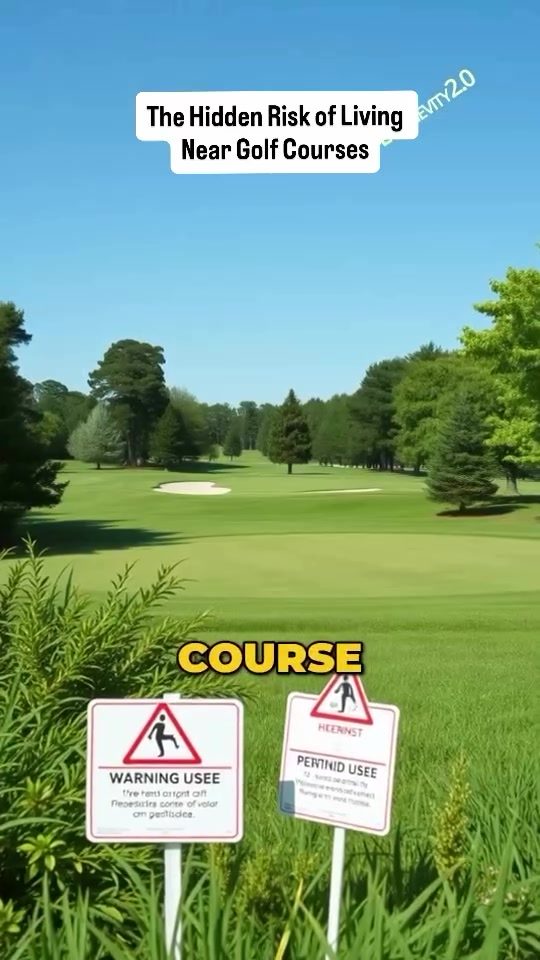
Living Near Golf Courses
Living near a golf course might seem idyllic, but it comes with hidden health risks, particularly an increased risk of Parkinson's disease. This risk stems from the extensive use of pesticides, such as Roundup (glyphosate), on golf courses. These chemicals can contaminate water sources, leading to potential health issues for nearby residents.
Why This Matters
The health risks associated with pesticide exposure are significant and often overlooked. Understanding these risks can help individuals make informed decisions about where they live and how they protect themselves from harmful chemicals.
Context
Golf Courses and Pesticide Use
Golf courses are maintained using a variety of pesticides to keep the greens and fairways in pristine condition. Pesticides are often sprayed to control weeds, insects, and other pests. While these chemicals are effective in maintaining the golf course's aesthetic, they can pose serious health risks to those living nearby.
Glyphosate, the active ingredient in Roundup, is one of the most commonly used herbicides. Glyphosate is used to control a variety of weeds, making it a popular choice for golf course maintenance. However, studies have shown that exposure to glyphosate can lead to mitochondrial toxicity, affecting the energy-producing organelles in cells. This disruption can result in serious neurological issues, including Parkinson's-like symptoms in animals.
Pesticide Exposure and Water Contamination
One of the primary routes of exposure to these pesticides is through contaminated water sources. When pesticides are sprayed on golf courses, they can run off into nearby waterways, contaminating the water supply. This contamination can then affect those who live in the vicinity, as they may be drinking or using water that contains traces of these harmful chemicals. This risk is particularly relevant for individuals who rely on well water, as it may not be adequately filtered to remove pesticide residue.
Main Discussion
Mitochondrial Toxicity
Mitochondria are the powerhouses of our cells, responsible for producing the energy needed to fuel various cellular processes. When these organelles are disrupted, it can lead to a wide range of health issues, including neurological problems. Mitochondrial toxicity, caused by exposure to pesticides, can impact the body's ability to produce energy, leading to cellular dysfunction and potentially contributing to the development of Parkinson's disease.
Parkinson's Disease Link
Research has shown that exposure to pesticides, particularly glyphosate, can induce Parkinson's-like symptoms in animals. This has led researchers to explore the potential link between pesticide exposure and the development of Parkinson's disease in humans. While more research is needed to fully understand this connection, the evidence suggests that individuals living near golf courses may be at a higher risk.
Environmental Impact
Beyond the health risks to individuals, the environmental impact of pesticide use on golf courses is also a concern. Pesticides can contaminate soil, water, and air, affecting both human health and the ecosystem. This environmental contamination can have far-reaching effects, impacting not only those who live near golf courses but also the broader ecosystem.
Practical Tips
Reducing Exposure
For those living near golf courses, reducing exposure to pesticides is crucial. Here are some practical tips to minimize risk:
-
Water Filtration: Invest in a high-quality water filtration system to remove pesticide residue from drinking water. This is especially important for those who rely on well water or live in areas with known water contamination issues.
-
Avoiding Pesticide-Sprayed Areas: Be aware of when and where pesticides are being sprayed. Avoiding these areas during and immediately after spraying can help reduce direct exposure.
-
Proper Disposal of Pesticides: If you use pesticides in your own home or garden, ensure they are properly disposed of. This can help minimize environmental contamination and reduce the risk to others.
Health Monitoring
Regular health monitoring is essential for individuals who may be at higher risk due to their proximity to golf courses. This includes regular check-ups, blood tests, and other diagnostic tests to monitor for signs of pesticide exposure and related health issues.
Important Takeaways
The risks associated with living near golf courses are real and should not be overlooked. Pesticide exposure, particularly from chemicals like glyphosate, can have serious health implications, including an increased risk of Parkinson's disease. By understanding these risks and taking practical steps to reduce exposure, individuals can protect their health and the health of their environment.
Conclusion
Living near a golf course can be convenient and aesthetically pleasing, but it is essential to be aware of the hidden health risks. Pesticide exposure, particularly through contaminated water sources, can lead to serious health issues, including Parkinson's disease. By taking proactive steps to reduce exposure and monitoring your health, you can mitigate these risks and enjoy a healthier, safer living environment.
Questions readers ask
What specific pesticides used on golf courses are linked to Parkinson's disease?
The pesticide most commonly linked to Parkinson's disease is glyphosate, which is the active ingredient in the widely used herbicide Roundup. Other neurotoxic pesticides are also used on golf courses, which can contribute to the increased risk.
How do pesticides from golf courses contaminate local water sources?
Pesticides used on golf courses can contaminate local water sources through runoff, where rainwater washes the chemicals off the treated areas, and leaching, where the pesticides seep into the soil and reach groundwater. This contamination can affect nearby residents who rely on these water sources.
Is there a direct link between living near a golf course and Parkinson's disease?
Studies have shown a correlation between living near golf courses and an increased risk of Parkinson's disease, particularly when pesticide use is extensive and water sources are contaminated. Exposure to glyphosate and other pesticides can be a contributing factor.
What steps can residents near golf courses take to reduce their risk of pesticide exposure?
Residents living near golf courses should be aware of the chemical spraying schedule and avoid areas where pesticides are being applied. Using home water filters, eating a diet rich in antioxidants, and regularly cleaning surfaces and clothing can also help reduce the risk of pesticide exposure.
What are the health risks associated with pesticide exposure from golf courses besides Parkinson's disease?
Exposure to pesticides from golf courses can lead to various health issues, including respiratory problems, skin irritation, and potential long-term effects on the nervous and endocrine systems. Long-term exposure can also impact the body's ability to fight infections and increase the risk of cancer.
Are there alternatives to chemical pesticides that golf courses can use to reduce health risks?
Yes, there are several organic and natural alternatives to chemical pesticides that golf courses can use, such as beneficial insects, mechanical controls, and organic fertilizers. These methods reduce the reliance on harmful chemicals and minimize the environmental impact. However, the implementation of such practices can significantly vary depending on the golf course's management and resources.
Can the environmental impact of golf course pesticide use be regulated to protect nearby residents?
Regulation of pesticide use on golf courses can be achieved through local, state, or federal laws that set limits on the types and amounts of pesticides that can be used. Communities can advocate for stricter regulations, and residents can voice their concerns to local authorities and golf course management to ensure that the use of pesticides is minimized and properly monitored.
Related deep dives
Similar reads based on topic and creator.

Recent articles
Fresh deep dives from the latest Reels we unpacked.




Comments
Be the first to comment.