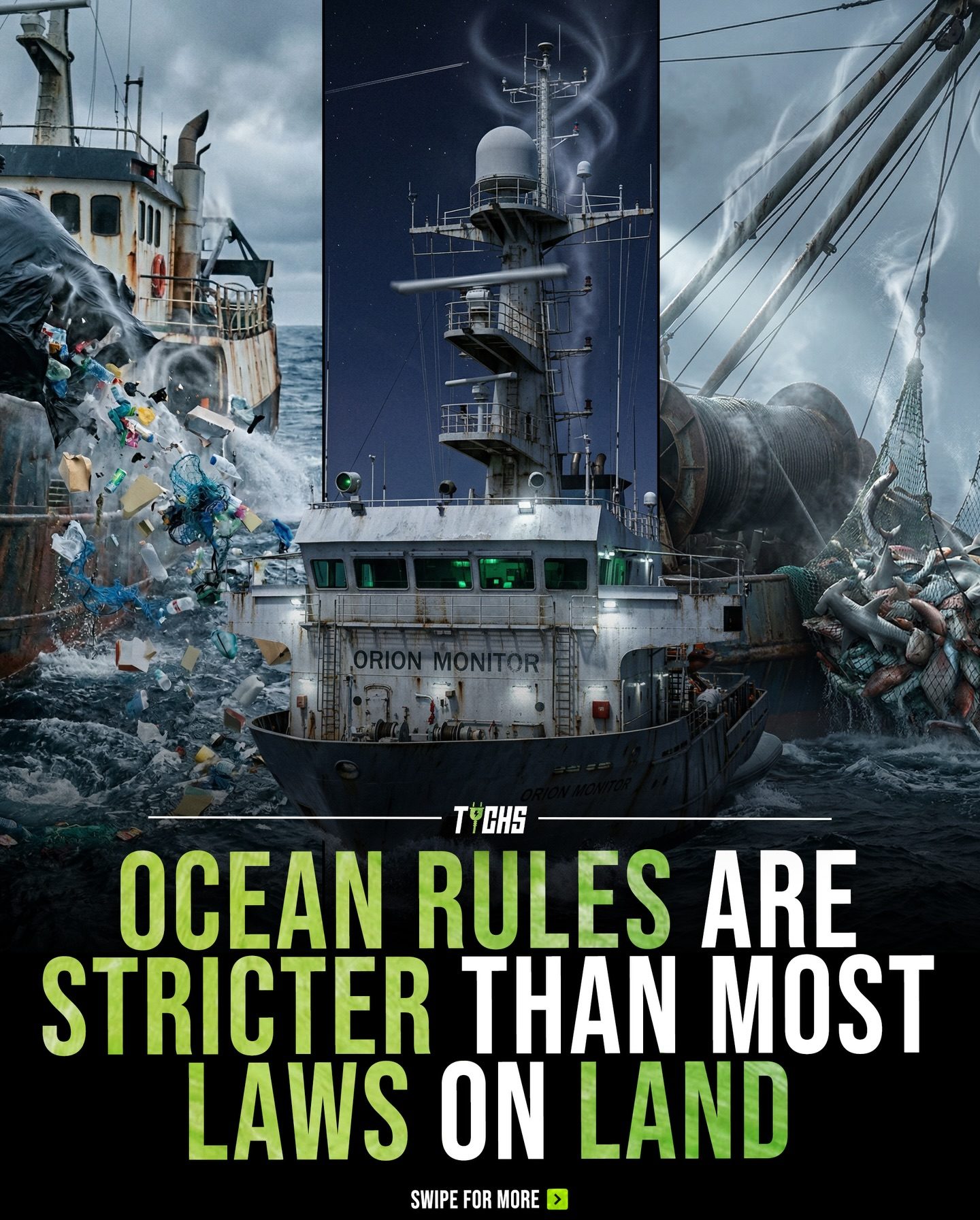
Maritime Safety and Regulations
Ocean laws are among the strictest globally, with international rules governing pollution, safety, and movement across the world's waters. These regulations are designed to protect life and the environment, ensuring that even minor infractions are taken seriously. The maritime industry is subject to rigorous monitoring and enforcement, with systems like the Automatic Identification System (AIS) playing a crucial role in maintaining safety and control.
Why This Matters
The oceans cover over 70% of the Earth's surface and are vital for transportation, trade, and food security. Ensuring the safety and environmental integrity of these waters is paramount. The strict regulations in place are essential for preventing pollution, protecting marine life, and safeguarding the millions of people who rely on the oceans for their livelihoods. Understanding these regulations and the technologies that enforce them is crucial for anyone involved in maritime activities.
The Role of AIS in Maritime Safety
Continuous Tracking
Ships are tracked 24/7 using systems like AIS. This continuous monitoring is essential for ensuring safety, preventing collisions, and monitoring vessel movements. The AIS system broadcasts a ship's position, speed, and other critical information, allowing maritime authorities and other vessels to track and respond to any potential threats or emergencies.
Legal and Safety Implications
The AIS signals cannot be turned off, making it a reliable tool for monitoring and enforcement. Disabling the tracking signals is highly suspicious and can trigger international investigations. This strict regulation ensures that vessels cannot evade scrutiny, promoting accountability and safety.
Key Regulations Governing the Oceans
Pollution Control
Even small oil discharges and dumping waste like plastic are illegal under global conventions. These regulations are in place to protect marine ecosystems and prevent environmental degradation. Violations can result in severe penalties, including fines and vessel seizures, underscoring the importance of compliance.
Piracy and Illegal Fishing
Piracy is treated as an international crime, and illegal fishing can lead to vessel seizure. These measures are essential for maintaining order and protecting marine resources. Strict enforcement ensures that vessels adhere to international laws and regulations, preventing illegal activities that can have devastating environmental and economic impacts.
Crew Safety and Responsibility
Strict crew safety standards must be followed to avoid detention or bans. These standards include ensuring that vessels are seaworthy, that crews are properly trained, and that safety equipment is up to date. Compliance with these standards is crucial for the safety of the crew and the vessel, as well as for the overall safety of maritime operations.
Assistance at Sea
Ships are required to assist anyone in distress at sea, regardless of nationality. This obligation reflects the shared global laws that govern the oceans, prioritizing safety, responsibility, and environmental protection over individual control. This rule ensures that all vessels contribute to a safer maritime environment, promoting cooperation and mutual aid.
Practical Tips for Compliance
Regular Maintenance and Updates
Ensure that all safety equipment and systems, including AIS, are regularly maintained and updated. This is crucial for compliance and for the safety of the crew and the vessel.
Training and Awareness
Regular training and awareness programs for crew members can help ensure that they are familiar with the latest regulations and safety protocols. This can include drills, workshops, and regular updates on changes in maritime laws.
Adherence to Environmental Standards
Adherence to environmental standards is crucial for preventing pollution and protecting marine ecosystems. This includes proper waste management, adhering to pollution control regulations, and using eco-friendly practices.
Reporting and Accountability
Report any incidents or violations to the appropriate authorities immediately. This ensures timely intervention and enforcement, promoting accountability and preventing further damage.
Important Takeaways
Understanding and adhering to maritime safety and regulations is essential for anyone involved in maritime activities. The strict regulations in place are designed to protect life, the environment, and the global maritime industry. Systems like AIS play a crucial role in maintaining safety and ensuring compliance, making continuous tracking and monitoring essential for all vessels.
Conclusion
The oceans are governed by shared global laws that prioritize safety, responsibility, and environmental protection. Understanding and adhering to these regulations is crucial for anyone involved in maritime activities. By ensuring compliance, vessels can contribute to a safer and more sustainable maritime environment, protecting life, the environment, and the global maritime industry.
Questions readers ask
What is the Automatic Identification System (AIS) and how does it contribute to maritime safety?
The Automatic Identification System (AIS) is a tracking technology used on ships to transmit their location, course, and speed. It operates 24/7, allowing maritime authorities and other vessels to monitor and react to potential safety issues, collisions, and illegal activities, thereby enhancing global maritime safety.
What are some key areas covered by global shipping laws?
Global shipping laws cover a wide range of areas, including vessel safety, pollution prevention, and marine environmental protection. These regulations are designed to minimize risks to human life, the environment, and property, ensuring all ships adhere to international maritime rules.
What are the benefits of international maritime regulations for the environment?
International maritime regulations are crucial for environmental protection at sea. They help minimize pollution from ships, preserve marine life, and maintain the overall health of the oceans. By enforcing these rules, we can ensure the sustainability of our oceans for future generations.
How does the Techsocean monitoring system enhance maritime safety measures?
Techsocean monitoring systems, such as AIS, provide real-time data on vessel movements, helping to detect and deter illegal shipping activities. By offering continuous monitoring, these systems enhance shipping safety measures and support maritime authorities in enforcing regulations.
What are the potential consequences of violating ocean sustainability laws?
Violating ocean sustainability laws can result in severe penalties, including fines, vessel impoundment, and legal prosecution. These strict measures ensure the seriousness of the regulations and act as a deterrent, encouraging compliance and safeguarding the environment.
Why is it important to track sea vessels with technology like AIS?
Tracking sea vessels with technology like AIS is essential for monitoring ship movements, detecting anomalies, and responding to safety incidents. AIS technology enables authorities to maintain control over ocean vessel traffic and enhances global maritime safety by ensuring compliance with international regulations.
Related deep dives
Similar reads based on topic and creator.




Recent articles
Fresh deep dives from the latest Reels we unpacked.




Comments
Be the first to comment.