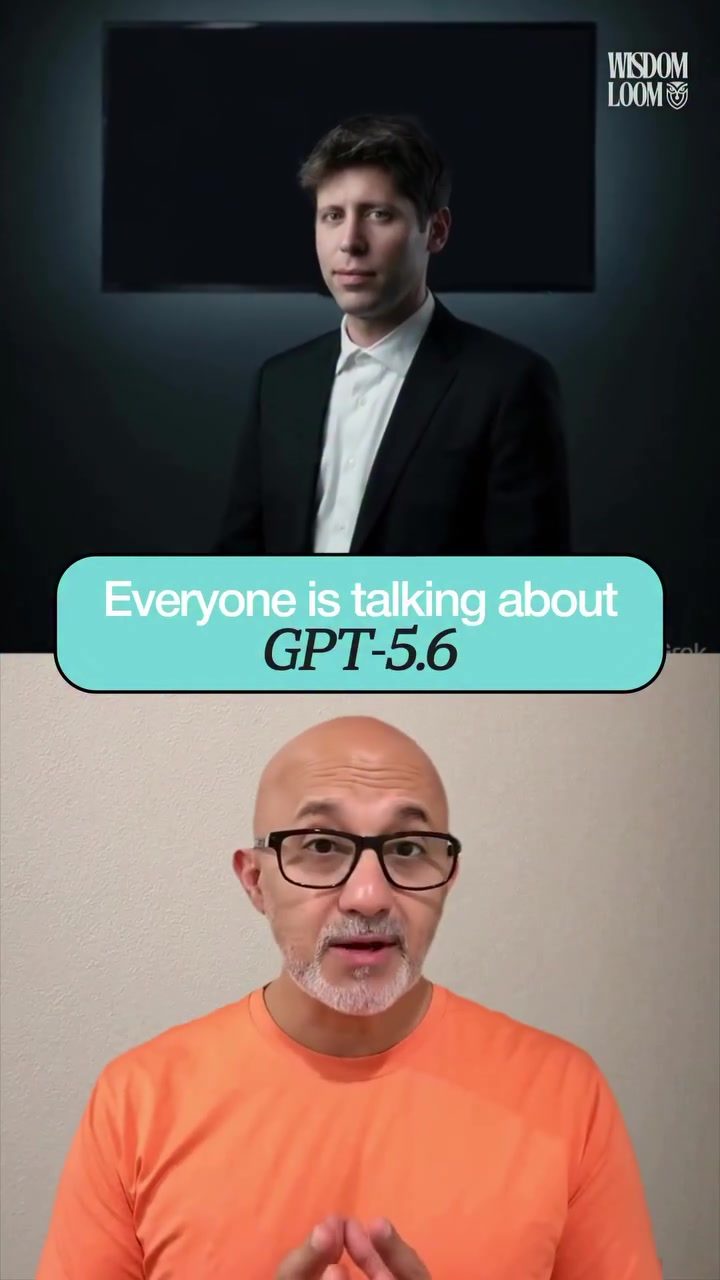
OpenAI's GPT-5.6: The Dawn of Specialized AI Models
OpenAI's recent launch of GPT-5.6 has sparked significant interest in the AI community. This new iteration introduces three distinct AI models: Sol, Terra, and Luna. Each is designed to excel in specific areas, marking a shift from a single, general-purpose AI model to a more specialized approach.
Why This Matters
The introduction of GPT-5.6 signifies more than just a product update. It represents a fundamental change in how AI models are developed and deployed. By creating specialized models, OpenAI is moving towards a more collaborative and efficient AI ecosystem, much like the teams within modern organizations.
The Transition to Specialized AI Models
The Evolution of AI Models
For years, the focus in AI development has been on creating smarter, more capable models. The competition was about who could build the most intelligent AI—one that could handle a wide range of tasks with high accuracy. This led to the development of general-purpose AI models, which, while versatile, often lacked the depth and specialization needed for specific tasks.
The Shift to Specialization
OpenAI's GPT-5.6 changes this paradigm. Instead of releasing a single model for everyone, OpenAI has introduced three distinct models:
- Sol: Designed for maximum reasoning and problem-solving capabilities.
- Terra: Optimized for everyday work and general tasks.
- Luna: Focused on speed and cost-efficiency.
This approach reveals significant insights into the future of AI. Just as companies have CEOs, engineers, designers, and analysts, future AI won't be a single model. It will be an entire workforce of specialized models working together, each bringing unique strengths to the table.
The Benefits of Specialized AI Models
Enhanced Performance
Specialized AI models are designed to excel in specific areas, resulting in enhanced performance. For example, Sol's advanced reasoning capabilities make it ideal for complex problem-solving tasks, while Luna's focus on speed and efficiency makes it perfect for high-throughput applications.
Efficiency and Cost Savings
Terra's everyday work capabilities are designed to handle a wide range of tasks efficiently. This not only improves performance but also reduces the cost associated with running multiple specialized models for different tasks. By using Terra, users can achieve optimal results without the need for highly specialized (and often more expensive) models.
Collaboration and Integration
The collaboration between these models is a key feature of GPT-5.6. Each model can work together seamlessly, much like a well-coordinated team. Sol might handle the complex reasoning tasks, while Terra and Luna take care of everyday work and high-speed processing, respectively. This collaborative approach ensures that all tasks are handled efficiently and effectively.
Practical Tips for Leveraging GPT-5.6
Identifying the Right Model
The first step in leveraging GPT-5.6 is to identify the right model for your needs:
- For complex problem-solving: Use Sol.
- For everyday tasks: Opt for Terra.
- For high-speed, cost-efficient processing: Choose Luna.
Integrating Specialized Models
Integrating these specialized models into your workflow can be straightforward. Start by identifying the tasks that each model is best suited for and then create a workflow that maximizes their strengths. For example, you might use Sol for strategic planning, Terra for data analysis, and Luna for real-time processing.
Training and Customization
While these models come with pre-defined capabilities, you can also train and customize them to better fit your specific needs. OpenAI provides tools and resources to help you fine-tune the models, ensuring they align perfectly with your requirements.
Important Takeaways
- Specialization is the Future: The future of AI is moving towards specialized models that work together. OpenAI's GPT-5.6 models are a clear step in this direction.
- Enhanced Performance: Specialized models offer enhanced performance in their respective areas, making them more effective for specific tasks.
- Efficiency and Cost Savings: By using specialized models, you can achieve optimal results while reducing costs.
- Collaborative Approach: The models are designed to work together seamlessly, much like a well-coordinated team.
Conclusion
The launch of GPT-5.6 by OpenAI represents a significant shift in the AI landscape. By introducing specialized models like Sol, Terra, and Luna, OpenAI is paving the way for a more collaborative and efficient AI ecosystem. These models are designed to work together, much like the teams within modern organizations, each bringing unique strengths to the table. This approach not only enhances performance and efficiency but also opens up new possibilities for how AI can be leveraged in various industries.
Questions readers ask
What are the three specialized AI models introduced with GPT-5.6?
The three specialized AI models introduced with GPT-5.6 are Sol, Terra, and Luna. Each model is designed to excel in specific areas, allowing for more targeted and efficient AI solutions.
How does GPT-5.6 differ from previous AI models developed by OpenAI?
GPT-5.6 differs from previous models by shifting from a general-purpose AI approach to a more specialized one. This means that instead of having a single model for all tasks, there are now distinct models tailored to specific needs, enhancing performance and efficiency.
What are the benefits of using specialized AI models like Sol, Terra, and Luna?
Specialized AI models offer several benefits, including improved performance and efficiency. By tailoring AI capabilities to specific tasks, these models can provide more accurate and relevant results, much like how different roles in an organization contribute to overall success.
Why is OpenAI moving towards a more collaborative and efficient AI ecosystem?
OpenAI's shift towards specialized models aims to create a more collaborative and efficient AI ecosystem. This approach allows different models to work together, much like teams within an organization, to handle complex tasks more effectively.
What does the introduction of GPT-5.6 mean for the future of AI development?
The introduction of GPT-5.6 signals a fundamental change in AI development. It indicates a move towards more tailored and task-specific models, which could lead to more innovative and effective AI solutions in the future.
How do the specialized models Sol, Terra, and Luna enhance AI capabilities?
Sol, Terra, and Luna enhance AI capabilities by focusing on specific tasks. This specialization allows each model to be optimized for its particular use case, resulting in better performance and more accurate outcomes compared to a general-purpose model.
What are some examples of tasks that the specialized models Sol, Terra, and Luna can handle?
While specific tasks for Sol, Terra, and Luna are not explicitly detailed in the article, their design suggests that Sol might handle complex computational tasks, Terra could be optimized for environmental or geographical data, and Luna might specialize in lunar or space-related tasks.
Related deep dives
Similar reads based on topic and creator.




Recent articles
Fresh deep dives from the latest Reels we unpacked.




Comments
Be the first to comment.