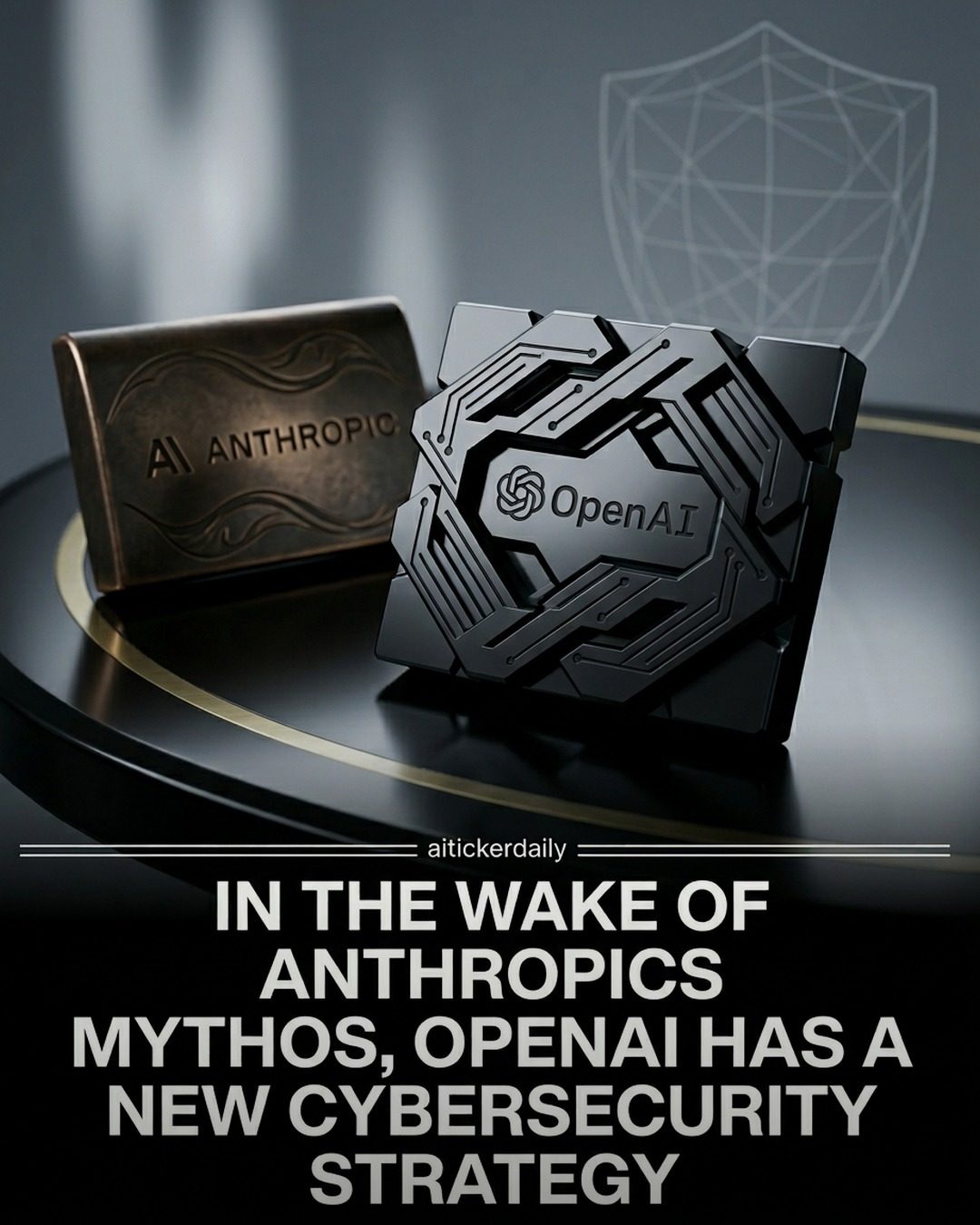
OpenAI's GPT-5.4-Cyber: A New Frontier in AI Cybersecurity
In the rapidly evolving landscape of artificial intelligence, cybersecurity has become a paramount concern. OpenAI's latest development, GPT-5.4-Cyber, represents a significant stride in addressing these concerns. This new model is designed to enhance cybersecurity measures, offering a comprehensive strategy that sets it apart from other AI models. This article delves into the positioning of GPT-5.4-Cyber, its safeguards, and how it compares to more permissive security-tuned builds, especially in the context of Anthropic's Mythos.
Why This Matters
As AI technology advances, so do the cyber threats that target it. The introduction of models like OpenAI's GPT-5.4-Cyber and Anthropic's Mythos highlights the critical need for robust cybersecurity frameworks. These models are not just about technological advancements but also about safeguarding sensitive data and ensuring the integrity of AI systems. Understanding the differences in their approaches to security can provide valuable insights for both developers and users.
OpenAI's GPT-5.4-Cyber: A Closer Look
The Birth of GPT-5.4-Cyber
OpenAI's GPT-5.4-Cyber is a specialized model tailored to address cybersecurity challenges. This model embodies a new strategy, particularly in the wake of Anthropic's Mythos release. The primary objective is to provide a more secure and reliable AI system, focusing on safeguards that sufficiently reduce cyber risks. This model aims to strike a balance between functionality and security, ensuring that it can be deployed widely without compromising safety.
Safeguards vs. Permissive Security-Tuned Builds
One of the key differentiators of GPT-5.4-Cyber is its approach to safeguards. OpenAI has emphasized that its safeguards are sufficient to mitigate cyber risks, at least for now. This is in contrast to more permissive security-tuned builds, which may prioritize functionality over security. OpenAI's strategy involves a more controlled and gated approach, ensuring that only tested and verified features are made available to the public.
The Role of Anthropic's Mythos
The release of Anthropic's Mythos has pushed OpenAI to refine its cybersecurity strategy. Mythos, with its own set of safeguards and security features, serves as a benchmark for GPT-5.4-Cyber. This competition drives innovation and forces both companies to continuously improve their cybersecurity measures. The presence of these models highlights the importance of clear communication regarding what each lab considers safe to ship widely and what remains gated.
Clear Mapping of Controls and Access Tiers
A significant aspect of OpenAI's new strategy is the clear mapping of controls and access tiers. This transparency is crucial for security and policy audiences who need to understand the intricacies of AI cybersecurity. By providing a clear map, OpenAI ensures that users and developers can make informed decisions, aligning with the overall risk posture of the organization.
Practical Tips for Implementing AI Cybersecurity
Implementing robust cybersecurity measures in AI systems requires a multi-faceted approach. Here are some practical tips to enhance the security of AI devices:
Regular Updates and Patches
Regularly updating and patching AI systems is crucial. Cyber threats evolve rapidly, and so must the security measures. Ensure that all AI devices are updated with the latest patches to safeguard against known vulnerabilities.
Comprehensive Testing
Before deploying AI systems, conduct comprehensive testing to identify and mitigate potential security risks. This includes both internal and external testing to ensure that all aspects of the system are secure.
User Education
Educate users on the importance of cybersecurity and best practices. This includes training on recognizing phishing attempts, using strong passwords, and understanding the risks associated with AI systems.
Transparent Communication
Maintain transparent communication about the security measures in place. This transparency builds trust and ensures that users are informed about the steps taken to protect their data and the integrity of the AI system.
Important Takeaways
The introduction of GPT-5.4-Cyber by OpenAI marks a significant step forward in AI cybersecurity. Key takeaways include:
- The importance of safeguards in mitigating cyber risks.
- The need for a clear map of controls and access tiers for transparency.
- The competitive landscape driven by models like Anthropic's Mythos.
- The necessity of regular updates, comprehensive testing, user education, and transparent communication in enhancing AI cybersecurity.
Conclusion
AI cybersecurity is a complex and evolving field, and OpenAI's GPT-5.4-Cyber represents a significant advancement in this area. By understanding the positioning of this model, its safeguards, and how it compares to other security-tuned builds, we can better appreciate the intricacies of AI cybersecurity. Whether you are a developer, a user, or a policy maker, staying informed about these advancements is crucial for navigating the ever-changing landscape of AI technology.
Questions readers ask
What makes OpenAI's GPT-5.4-Cyber different from other AI models in terms of cybersecurity?
GPT-5.4-Cyber stands out due to its focus on stringent security measures. Unlike other models, it prioritizes robust safeguards to mitigate emerging cyber threats, making it a pioneering model among the new AI cybersecurity device and strategies in the AI cybersecurity wake.
How does GPT-5.4-Cyber address emerging cyber threats?
GPT-5.4-Cyber is designed with a comprehensive AI cybersecurity strategy that includes advanced security protocols and real-time threat detection. The model leverages its AI capabilities to anticipate and mitigate new and evolving threats, ensuring that it stays ahead of potential vulnerabilities.
What are the key security measures implemented in GPT-5.4-Cyber?
GPT-5.4-Cyber incorporates multiple layers of security, including enhanced encryption protocols, continuous monitoring, and adaptive threat response mechanisms. These measures work together to provide a robust defense against various cyber attacks, ensuring the integrity and security of the system.
How does OpenAI's GPT-5.4-Cyber compare to Anthropic's Mythos in terms of security?
While Anthropic's Mythos offers strong AI capabilities, it is designed with a more permissive approach to security. In contrast, GPT-5.4-Cyber balances functionality with stringent security measures, making it a more secure option for applications where cybersecurity is a top priority.
What are the benefits of using GPT-5.4-Cyber for AI cybersecurity?
Using GPT-5.4-Cyber for AI cybersecurity provides several benefits, including enhanced threat detection, real-time response to cyber attacks, and a comprehensive approach to security. It ensures that AI systems are protected against a wide range of cyber threats, making it an invaluable tool in the rapidly evolving landscape of AI security.
Why is cybersecurity so important in the context of AI development?
As AI technology becomes more integrated into various aspects of life, the potential for cyber threats increases. Robust security measures, such as those implemented in GPT-5.4-Cyber, are essential to protect AI systems from malicious attacks, ensuring that they operate securely and reliably and keeping sensitive data safe from breaches.
How does GPT-5.4-Cyber contribute to the overall AI security landscape in 2024?
GPT-5.4-Cyber sets a new standard for AI security in 2024 by offering a model that prioritizes security without compromising on functionality. Its innovative AI cybersecurity strategy makes it a leading choice for organizations looking to safeguard their systems against emerging cyber threats in the future.
Related deep dives
Similar reads based on topic and creator.




Recent articles
Fresh deep dives from the latest Reels we unpacked.




Comments
Be the first to comment.