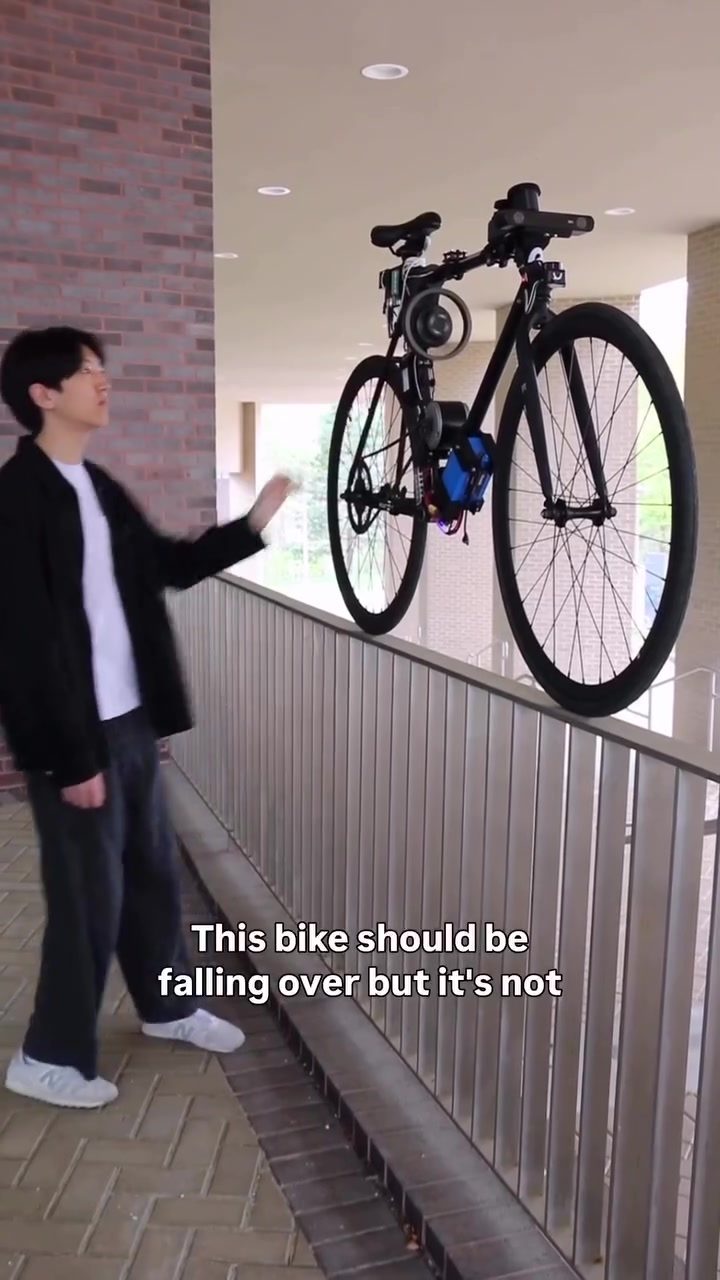
Autonomous Self-Balancing Bicycle: A Groundbreaking Engineering Project
Autonomous self-balancing bicycles represent a fascinating intersection of mechanical engineering, robotics, and embedded systems. A team of first-year students at Olin College created an impressive example of this technology as part of their Independent Study Research (ISR) project. This open-source initiative delves into the design and implementation of a self-balancing bicycle, leveraging a reaction wheel for stabilization.
Why This Matters
Self-balancing bicycles are not just a technical curiosity; they are a significant step towards understanding and improving the stability and control of two-wheeled vehicles. These bikes can serve as a foundational platform for further research into autonomous systems, robotics, and even personal transportation devices. By mastering the art of balancing and navigating on an unstable platform, engineers can pave the way for safer, more efficient, and even self-driving vehicles.
The Technology Behind the Project
The Reaction Wheel Mechanism
At the core of this autonomous bicycle is a steel reaction wheel, a crucial component for active balancing. The reaction wheel operates on a 200 hertz Proportional-Integral-Derivative (PID) loop, which continuously adjusts the balance point dynamically. This high-speed loop ensures the bike can quickly recover from any lateral forces, maintaining stability even when tilted.
The reaction wheel is managed by an STM32 microcontroller, a powerful and versatile embedded system. This microcontroller handles the complex calculations and adjustments needed to keep the bike upright, ensuring smooth and efficient operation.
Sensors and Autonomous Control
In addition to the reaction wheel, the bicycle incorporates a stereo depth camera and a lighter sensor for autonomous functionality. These sensors provide the necessary data for the bike to perceive its environment and make real-time adjustments. The seamless integration of these sensors allows the bike to navigate and recover from disturbances effectively.
Open-Source Platform
One of the most significant aspects of this project is its open-source nature. The team has made all the necessary files, including 3D CAD models, code, and a list of materials, freely available online. This open-source approach encourages further research and development, allowing other engineers and enthusiasts to build upon and improve the design.
Practical Tips for Building a Self-Balancing Bicycle
If you're inspired to take on a similar project, here are some practical tips to get you started:
Start with a Clear Plan
Define your project goals, timeline, and deliverables clearly. This will give you a roadmap to follow and help you stay on track.
Gather the Right Tools and Materials
Ensure you have access to the necessary tools and materials, including sensors, microcontrollers, and mechanical components.
Iterate and Test
Don't expect perfection on the first try. Be prepared to iterate and test your design multiple times to achieve the desired stability and performance.
Collaborate and Share
Working with a team can provide valuable insights and support. Collaborate with others and share your progress and findings to benefit from collective knowledge.
Important Takeaways
The Power of Open-Source
Open-source projects like this one foster innovation and collaboration. By sharing knowledge and resources, engineers can accelerate the development of new technologies and solutions.
The Role of Embedded Systems
Embedded systems are fundamental to the functionality of self-balancing bicycles. Understanding and mastering these systems is crucial for building advanced autonomous vehicles.
The Importance of Research-Oriented Projects
Projects like the ISR at Olin College allow students to define their research goals and explore complex engineering challenges. This approach not only provides hands-on experience but also encourages innovation and problem-solving.
Conclusion
This autonomous self-balancing bicycle project by Olin students is a testament to the potential of open-source research and engineering innovation. By integrating a reaction wheel, advanced sensors, and embedded systems, the team has created a platform that pushes the boundaries of what's possible in autonomous vehicle design. Whether you're an engineering student, a hobbyist, or a professional in the field, this project offers valuable insights and inspiration for your own endeavors.
Questions readers ask
What inspired Olin College students to create an autonomous self-balancing bicycle?
The project was part of the students' Independent Study Research (ISR) at Olin College, aiming to explore the intersection of mechanical engineering, robotics, and embedded systems. The goal was to develop a foundational platform for further research into autonomous systems.
How does the self-balancing bicycle maintain stability?
The bicycle uses a reaction wheel and advanced sensors to maintain stability. The reaction wheel helps to balance the bike by counteracting any tilting motions, while the sensors provide real-time data to ensure precise control and prevent falling.
What are the potential applications of a self-balancing bicycle?
Self-balancing bicycles can serve as a model for developing safer, more efficient autonomous vehicles. They contribute to understanding and improving the stability and control of two-wheeled vehicles, which is crucial for advancing autonomous vehicle research.
Can the self-balancing bicycle be built by hobbyists or is it only possible with advanced lab equipment?
The project is open-source, which means the design and implementation details are publicly available. While some advanced components and tools may be required, hobbyists with a strong interest and basic robotics knowledge can attempt to build a similar device.
What role do integrated sensor systems play in the self-balancing bicycle?
Integrated sensor systems are crucial for the bicycle's operation. They provide real-time data on the bike's orientation, velocity, and other critical factors, allowing the control system to make instantaneous adjustments to maintain balance and prevent falls.
How does this project contribute to the field of autonomous vehicle research?
By demonstrating a key advance in mechanical engineering and robotics, this project paves the way for safer, more efficient autonomous vehicles. It provides valuable insights into the balancing mechanism and control systems required for autonomous vehicles.
What challenges did the students face while building the self-balancing bicycle?
The students likely faced challenges in calibration and integration of the sensor systems, optimizing the reaction wheel for efficient balancing, and programming the control algorithms to ensure real-time stability. Overcoming these obstacles required a deep understanding of robotics and mechanical engineering principles.
Related deep dives
Similar reads based on topic and creator.




Recent articles
Fresh deep dives from the latest Reels we unpacked.




Comments
Be the first to comment.