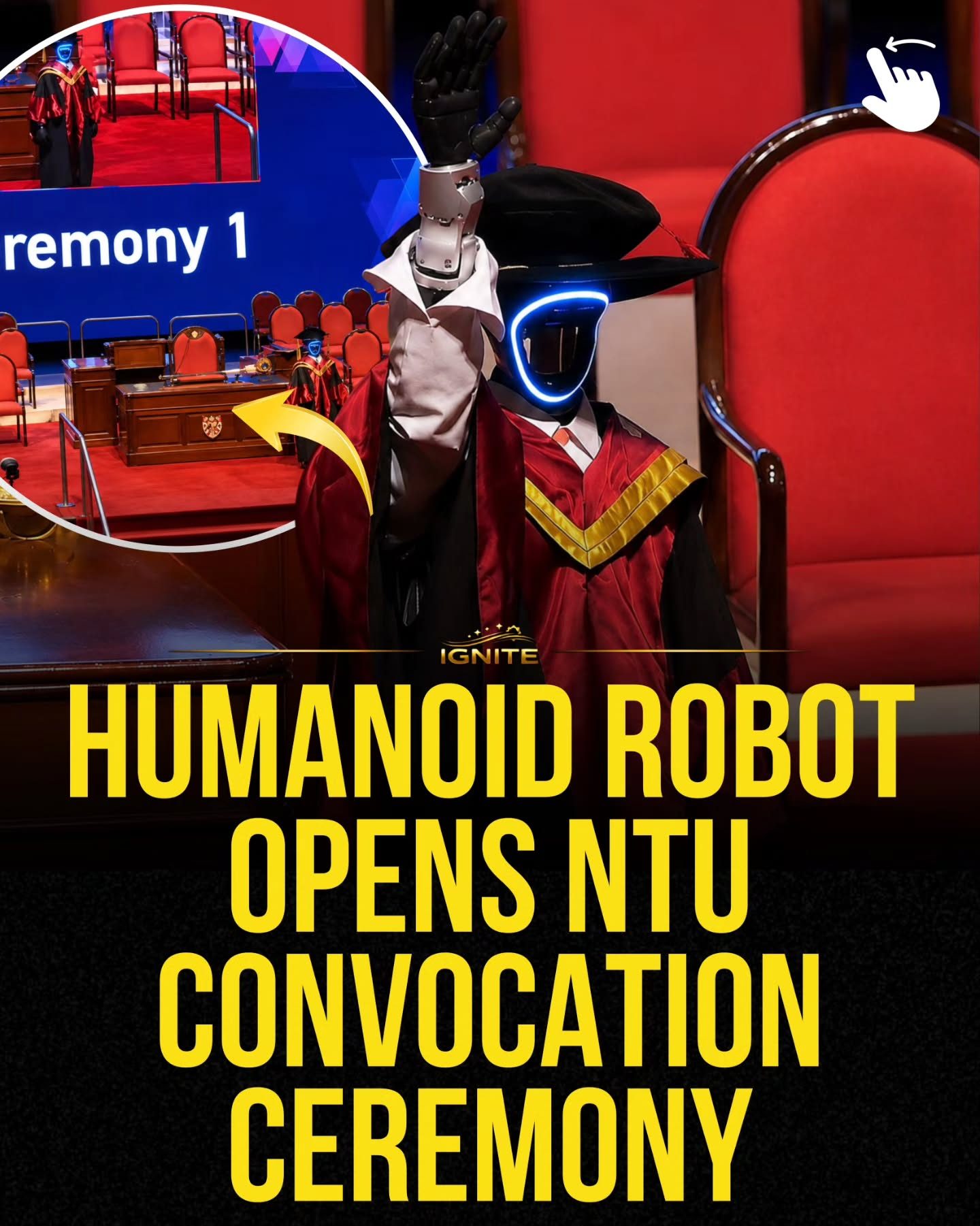
The Future of Academic Ceremonies: Humanoid Robots at NTU Convocation
The integration of advanced technology into academic ceremonies marks a significant shift in how institutions celebrate milestones. Humanoid robots, such as the one featured at the NTU convocation ceremony, are at the forefront of this modern and innovative approach. These robots are not just technological marvels; they represent a new era of efficiency, precision, and engagement in academic events.
Context - Why This Matters
The use of humanoid robots in academic ceremonies is more than just a novelty; it signifies a deeper integration of technology into traditional events. As educational institutions seek to enhance their ceremonies, incorporating robots offers a range of benefits, from streamlining logistical tasks to creating memorable experiences for attendees. The NTU convocation ceremony, branded as "IGNITE," exemplifies this innovative approach, showcasing how robots can be utilized in ways that complement and elevate traditional ceremonies.
The Role of Humanoid Robots in Academic Events
Enhancing Logistical Efficiency
One of the primary advantages of using humanoid robots in academic ceremonies is their ability to handle logistical tasks with high efficiency. Robots can be programmed to manage various aspects of the event, such as welcoming guests, directing attendees, and even presenting awards. This frees up human staff to focus on more complex and interactive tasks, ensuring that the event runs smoothly.
Creating Memorable Experiences
Humanoid robots have the potential to create unforgettable experiences for attendees. Their presence can generate excitement and curiosity, making the ceremony more engaging and memorable. The NTU convocation ceremony is a perfect example of how robots can capture the imagination of attendees, creating a unique and impressive atmosphere.
Complementing Traditional Elements
While robots add a modern touch to academic ceremonies, they also complement traditional elements seamlessly. The NTU convocation ceremony, labeled as "Ceremony 1," showcased a robot opening the event in a way that integrated well with the traditional academic gowns and decorations. This blend of old and new creates a balanced and enriching experience for all attendees.
Practical Tips for Including Humanoid Robots in Academic Ceremonies
Planning and Coordination
When planning to include a humanoid robot in an academic ceremony, coordination is key. Ensure that the robot is programmed to perform specific tasks efficiently. Work closely with the robotics team to integrate the robot's actions smoothly into the event's timeline. This may involve rehearsals and technical checks to ensure that the robot performs as expected.
Choosing the Right Robot
Select a robot that aligns with the theme and goals of the ceremony. For example, a humanoid robot with a friendly and approachable design can be more engaging for attendees, especially in a convocation setting. Consider the robot's capabilities, such as speech recognition, mobility, and interactivity, to ensure it adds value to the event.
Engaging the Audience
Make the most of the robot's presence by involving it in meaningful ways. Use the robot to deliver speeches, present awards, or even interact with attendees. This not only enhances the ceremony but also creates a unique experience that attendees will remember.
Technical Support
Ensure that technical support is available throughout the event. Robots, while advanced, can encounter technical issues. Having a support team on standby can help address any problems quickly, ensuring that the ceremony proceeds without hiccups.
Important Takeaways
The integration of humanoid robots into academic ceremonies offers a range of benefits, from enhancing logistical efficiency to creating memorable experiences. The NTU convocation ceremony, branded under "IGNITE," exemplifies how robots can be effectively utilized in these settings. Here are the key takeaways:
- Robots can handle various logistical tasks, freeing up staff to focus on more interactive roles.
- Their presence adds a modern and exciting element to traditional events.
- Proper planning, coordination, and technical support are crucial for a successful integration.
- Choosing the right robot and involving it in meaningful ways can create a unique and engaging experience for attendees.
Conclusion
The use of humanoid robots in academic ceremonies, as demonstrated at the NTU convocation, represents a forward-thinking approach to enhancing traditional events. By leveraging the capabilities of these advanced machines, institutions can create more efficient, engaging, and memorable experiences for all involved. As technology continues to evolve, the integration of humanoid robots into academic ceremonies is likely to become more prevalent, marking a new chapter in how we celebrate our achievements.
Questions readers ask
What specific tasks did the humanoid robot perform at NTU's convocation ceremony?
The humanoid robot at NTU's convocation ceremony performed several key tasks, including assisting with logistical operations, engaging with graduates, and providing a unique, memorable experience for all attendees. The robot showcased how technology can enhance the efficiency and precision of such events, making the ceremony more engaging and organized.
How do humanoid robots enhance the efficiency of academic ceremonies like those at NTU?
Humanoid robots enhance the efficiency of academic ceremonies by streamlining logistical operations, which can include managing guest lists, guiding attendees, and handling various administrative tasks. This allows event organizers to focus on other critical aspects, ensuring a smoother and more enjoyable experience for everyone involved.
What kind of memorable experiences do humanoid robots create during academic events?
Humanoid robots create memorable experiences by adding an element of novelty and innovation to traditional academic ceremonies. They can interact with guests, provide information, and even offer personalized greetings, making the event more engaging and exciting for all participants, especially NTU graduates.
What are the logistical benefits of using humanoid robots at academic events?
The logistical benefits include improved organization and time management. Robots can handle tasks such as registration, directions, and even minor troubleshooting, ensuring that the event runs smoothly without delays or confusion, which is especially important for large-scale events like the NTU convocation.
How do humanoid robots interact with attendees during academic ceremonies?
Humanoid robots interact with attendees through pre-programmed responses and actions designed to engage and inform. They can answer questions, provide directions, and offer personalized messages, enhancing the overall experience by blending technology with human-like interactions.
What is the significance of the humanoid robot showcased at NTU's convocation?
The humanoid robot showcased at NTU's convocation represents a significant advancement in how technology can be integrated into academic ceremonies. It demonstrates how robotic innovation can not only streamline operations but also create a more engaging and memorable experience for participants, marking a new era in academic event planning.
Can humanoid robots replace human roles at academic ceremonies entirely?
While humanoid robots can handle many tasks efficiently, they are not intended to replace human roles entirely. Instead, they complement human efforts by taking over repetitive or logistically intensive tasks, allowing human staff to focus on more personalized and complex interactions, thus enhancing the overall quality of the event.
Related deep dives
Similar reads based on topic and creator.




Recent articles
Fresh deep dives from the latest Reels we unpacked.




Comments
Be the first to comment.