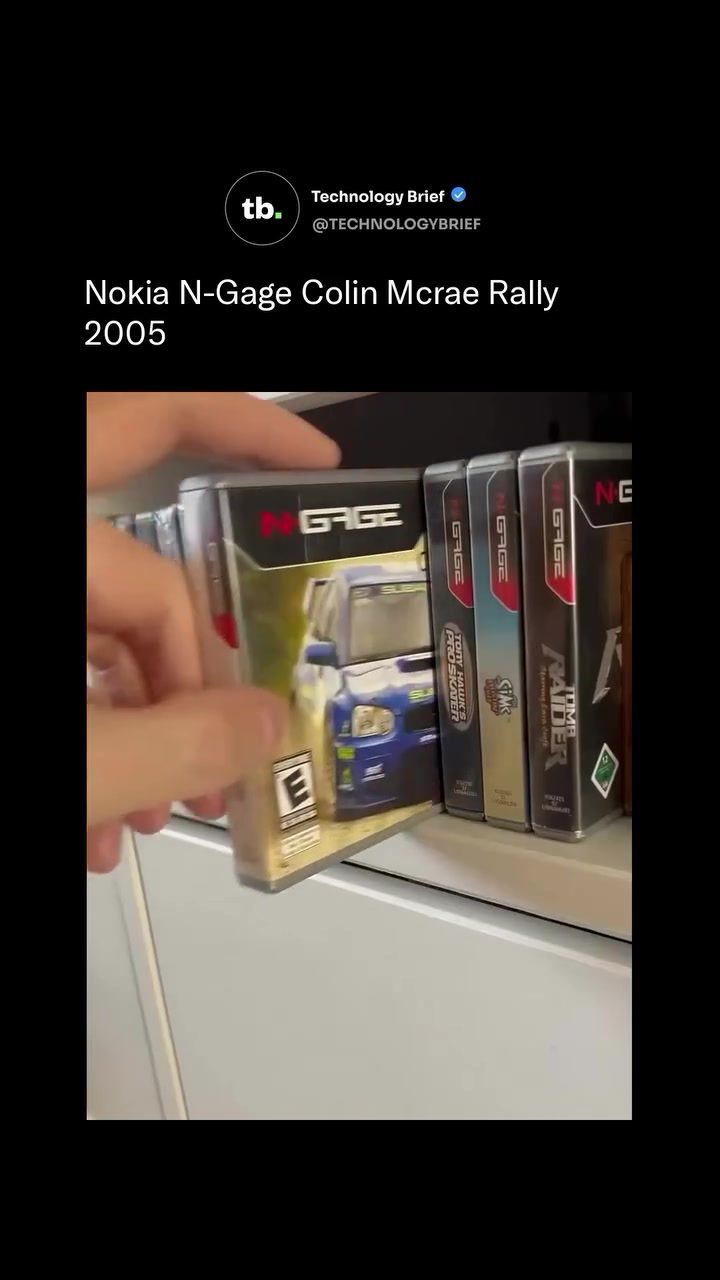
The Nokia N-Gage: A Pioneer in Mobile Gaming
The Nokia N-Gage was an innovative attempt to combine mobile communication and handheld gaming in a single device. Launched in October 2003, it aimed to compete with the popular Game Boy Advance by offering a hybrid experience that included both a mobile phone and a portable gaming console. This device featured a 104MHz processor, a 2.1-inch screen, and supported Bluetooth and online multiplayer through Nokia’s N-Gage Arena service, making it a groundbreaking product in the world of mobile gaming.
Context / Why this matters
The Nokia N-Gage was ahead of its time, introducing concepts such as 3D mobile gaming, wireless multiplayer, and online leaderboards. These features are now commonplace in today’s smartphones, but at the time, the N-Gage was a pioneer in this space. Understanding its design, capabilities, and eventual challenges can provide valuable insights into the evolution of mobile gaming and how modern devices have been influenced by early innovations.
Main discussion
The Birth of the Gaming Phone
The Nokia N-Gage marked a significant milestone as the world’s first gaming phone. It was designed to bridge the gap between mobile communication and handheld gaming, offering users the ability to make calls and play games on the same device. This dual functionality was a novel concept at the time, and the device managed to capture a lot of attention for its ambitious goals. The N-Gage was priced at $299 at launch, making it significantly more expensive than the Game Boy Advance, which cost around $100. Despite the higher price point, the N-Gage was equipped with advanced features that justified its cost.
Unique Design and Functionality
One of the most distinctive features of the N-Gage was its unique design, which included a side-mounted earpiece. This design meant that users had to hold the device sideways to make a call, earning it the nickname “side-talking.” While this design was unique, it also made the phone slightly cumbersome to use in traditional call settings. Additionally, the process of swapping games was complicated. Users had to remove the back cover, pull out the battery, and insert the new game card before rebooting the device. This quirky method of game swapping was a significant inconvenience for users.
Game Collection and Titles
The N-Gage supported over 50 different games, including titles from well-known publishers such as EA, Sega, and Activision. One of the notable games available for the platform was Colin McRae Rally 2005, which delivered rally racing with real co-driver pace notes on a 2.1-inch screen. The game provided an immersive racing experience, showcasing the capabilities of the N-Gage's hardware. Other popular titles included Tom Clancy’s Splinter Cell, Tiger Woods PGA Tour, and SonicNexus.
Online Multiplayer and Community
The N-Gage Arena service was another standout feature, offering online multiplayer capabilities years before it became a common feature in mobile gaming. This service allowed players to compete against each other in real-time, fostering a sense of community and competition. The Arena service was a significant step forward in mobile gaming, paving the way for the robust multiplayer experiences we see in today’s mobile games.
Challenges and Commercial Failure
Despite its innovative features and ambitious goals, the Nokia N-Gage struggled commercially. By 2007, Nokia had sold around three million units, which was considered a commercial failure given the high expectations and innovative features. The device was quietly discontinued in Western markets in 2006. The high price point, quirky design, and complicated game swapping process contributed to its downfall, but it remains a significant milestone in the history of mobile gaming.
Practical tips
Exploring Retro Gaming
If you’re a collector or a fan of retro gaming, the Nokia N-Gage can be a fascinating device to explore. While it may not be as powerful as modern smartphones, it offers a unique glimpse into the early days of mobile gaming. Collectors might find it interesting to own and play with the device, and it can be a great addition to a retro gaming collection.
Collecting Games
If you’re considering collecting games for the N-Gage, be prepared for a niche market. Many of the games are no longer widely available, and finding them in good condition can be a challenge. Websites like eBay and specialized retro gaming forums can be good places to start your search. Some of the more popular games, like Colin McRae Rally 2005, might be easier to find, but be prepared to pay a premium for rarer titles.
Preserving the Experience
The N-Gage's unique design and features make it a valuable artifact in the history of mobile gaming. If you own one, it’s worth preserving its functionality and appearance. Keeping the device in good condition and maintaining its original accessories can enhance its value over time. If you're interested in preserving the experience, consider using an emulator to play N-Gage games on modern devices, allowing you to enjoy the games without the hassle of the original hardware.
Important takeaways
- The Nokia N-Gage was the world’s first gaming phone, combining a mobile phone and a handheld gaming console.
- It featured a 104MHz processor, a 2.1-inch screen, and supported Bluetooth and online multiplayer through the N-Gage Arena service.
- The device's quirky design, including a side-mounted earpiece and complicated game swapping process, contributed to its commercial failure.
- Over 50 games were released for the platform, including titles from EA, Sega, and Activision.
- The N-Gage introduced concepts such as 3D mobile gaming, wireless multiplayer, and online leaderboards, which are now essential features of modern smartphones.
Conclusion
The Nokia N-Gage was a groundbreaking device that combined mobile communication and handheld gaming in a single package. While it faced numerous challenges and ultimately failed commercially, it pioneered several features that are now standard in modern smartphones. For retro gaming enthusiasts, the N-Gage remains a fascinating piece of history, offering a unique glimpse into the early days of mobile gaming.
Questions readers ask
What made the Nokia N-Gage stand out when it was launched in 2003?
The Nokia N-Gage was notable for being the first device to combine mobile communication and gaming. It introduced 3D mobile gaming and wireless multiplayer through Nokia’s N-Gage Arena service, setting it apart from other devices of its time.
How did the Nokia N-Gage influence the mobile gaming industry?
The Nokia N-Gage laid the foundation for modern gaming smartphones by pioneering features like 3D graphics, online leaderboards, and wireless multiplayer. Many of these features are now standard in today's mobile games.
What were some of the key features of the Nokia N-Gage?
The Nokia N-Gage featured a 104MHz processor, a 2.1-inch screen, and support for Bluetooth and online multiplayer. It also included a unique keypad design that doubled as a game controller, making it a versatile device for both communication and gaming.
What was the N-Gage Arena service, and why was it significant?
The N-Gage Arena was Nokia’s online platform for multiplayer gaming. It allowed users to compete against each other in real-time, fostering a sense of community and competition among gamers. This service was significant because it was one of the first attempts to bring online multiplayer gaming to mobile devices.
Which popular games were available on the Nokia N-Gage?
The Nokia N-Gage offered a variety of games, including the popular 'Colin McRae Rally,' which showcased the device's 3D gaming capabilities. Other notable titles included 'Tomb Raider,' 'Tony Hawk's Pro Skater,' and 'SonicNexus,' providing a diverse gaming experience for users.
Why did the Nokia N-Gage face challenges despite its innovative features?
Despite its innovative features, the Nokia N-Gage faced challenges due to its unique design, which was not as ergonomic for gaming as dedicated handheld consoles. Additionally, the device's limited battery life and high price point made it less accessible to a broader audience.
What improvements were made with the release of the N-Gage 2005?
The N-Gage 2005, released in 2005, aimed to address some of the shortcomings of the original N-Gage. It featured a more traditional phone layout, improved ergonomics, and a larger 2.6-inch screen. These changes made it more user-friendly for both gaming and communication purposes.
Related deep dives
Similar reads based on topic and creator.




Recent articles
Fresh deep dives from the latest Reels we unpacked.




Comments
Be the first to comment.