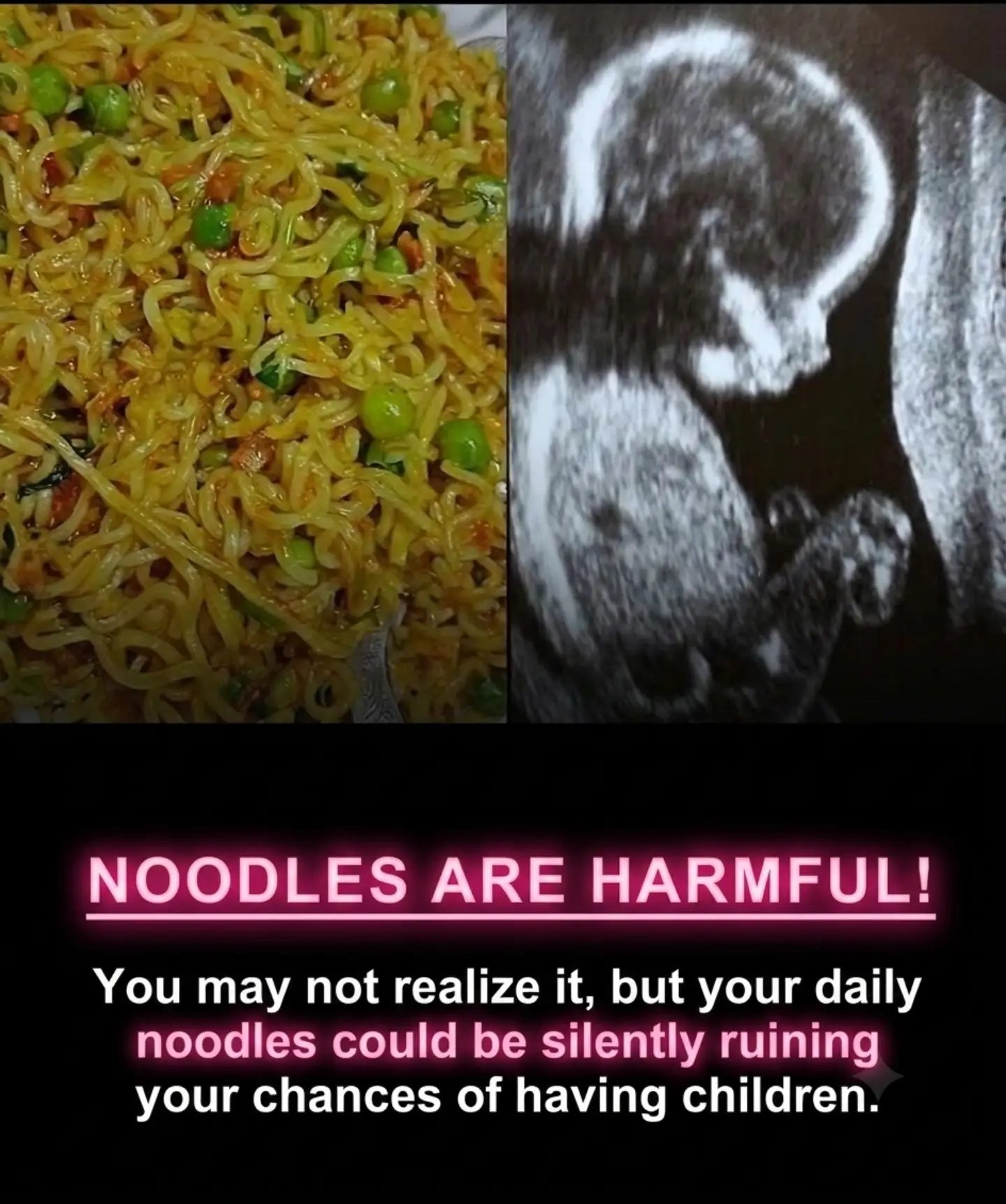
Understanding the Impact of Noodle Consumption
Noodles are a staple in many cuisines around the world, beloved for their versatility and convenience. However, there are concerns that regular noodle consumption, especially instant and processed varieties, could have unintended consequences. This topic has sparked debates and discussions, particularly around potential health implications, including fertility.
Why This Matters
With the rise of processed foods, understanding their impact on our health has become more critical than ever. Noodles, whether fresh, dried, or instant, are a common dietary choice for many. It's essential to separate fact from fiction and address the potential effects of noodle consumption on overall health, particularly fertility.
The Impact of Noodle Consumption on Health
Nutritional Composition of Noodles
Noodles come in various forms and are made from different ingredients. Traditional noodles made from wheat flour, eggs, and water offer a good source of carbohydrates and protein. However, instant noodles, which are often fortified with flavorings and preservatives, contain significantly higher levels of sodium, unhealthy fats, and artificial additives. These ingredients can contribute to a host of health issues, including obesity, high blood pressure, and cardiovascular diseases.
Processed Noodles and Fertility
The claim that regular noodle consumption could negatively impact fertility is rooted in concerns about the high sodium content, preservatives, and the lack of essential nutrients in processed noodles. High sodium intake can disrupt hormonal balance, which is crucial for reproductive health. Additionally, the absence of essential vitamins and minerals in instant noodles can lead to nutritional deficiencies, affecting both male and female fertility.
Infertility in both men and women can be exacerbated by poor dietary choices. Processed foods, including instant noodles, often lack the balanced nutrition required for optimal reproductive health. Folate, for example, is crucial for both men and women, as it aids in the production of healthy sperm and eggs. The lack of folate in processed foods can cause complications during pregnancy, including neural tube defects in newborns.
Understanding the Risks
While the specific link between noodle consumption and fertility requires more scientific research, the general consensus is that a diet high in processed foods can lead to various health issues. Nutritional imbalances caused by the overconsumption of processed noodles can affect overall health, including reproductive function. It's essential to maintain a balanced diet rich in whole foods, vegetables, and lean proteins to support overall health and fertility.
Practical Tips
Balancing Noodle Consumption
If you enjoy noodles as part of your diet, it's essential to balance your intake with other nutrient-rich foods. Here are some practical tips to maintain a healthy diet while enjoying noodles:
- Choose Whole-Grain Options: Opt for whole-grain noodles, which are higher in fiber and nutrients compared to refined alternatives.
- Cook at Home: Prepare your noodles at home to control the ingredients and reduce the intake of sodium, unhealthy fats, and preservatives.
- Add Vegetables: Include a variety of vegetables in your noodle dishes to boost the nutritional content.
- Limit Processed Foods: Consume instant noodles sparingly and opt for fresh, homemade alternatives when possible.
Healthy Noodle Alternatives
If you're looking to reduce your intake of processed noodles, consider exploring healthier alternatives:
- Zucchini Noodles: Also known as zoodles, these are a great low-calorie, low-carb option that can be used in various dishes.
- Quinoa Noodles: These are high in protein and fiber, making them a nutritious choice.
- Brown Rice Noodles: These are a healthier alternative to regular white noodles, offering more nutrients and fiber.
Important Takeaways
The potential impact of noodle consumption on fertility highlights the importance of maintaining a balanced diet. While noodles can be a part of a healthy diet, it's crucial to be mindful of the type and frequency of consumption. Opting for whole-grain, homemade, and nutritional-rich options can help mitigate the potential risks associated with regular noodle consumption.
Regular noodle consumption, particularly of processed varieties, can have unintended consequences on overall health, including fertility. By being aware of the nutritional content and making informed dietary choices, you can enjoy noodles while maintaining a healthy lifestyle.
Conclusion
Balancing noodle consumption with a nutritious diet is key to maintaining overall health and fertility. While occasional noodle dishes can be part of a healthy eating plan, it's essential to choose healthier alternatives and limit processed options. By making informed choices, you can enjoy your favorite dishes while supporting your reproductive health and overall well-being.
Questions readers ask
How does frequent consumption of instant noodles affect fertility?
Instant noodles are high in sodium and low in essential nutrients, which can disrupt hormonal balance and overall reproductive health. Excessive sodium intake may also lead to inflammation and other health issues that can negatively impact fertility. It's best to limit instant noodle consumption when trying to conceive.
Can a diet rich in noodles impact reproductive health?
A diet high in noodles, particularly processed varieties, can lead to nutrient deficiencies and excess sodium intake. This imbalance can affect reproductive health by disrupting menstrual cycles, hormone regulation, and overall reproductive function. Opting for a balanced diet rich in whole foods is beneficial for reproductive health.
What are the health risks associated with instant noodle consumption?
Instant noodles are often high in sodium, trans fats, and preservatives, which can contribute to inflammation, high blood pressure, and other health issues. These factors can indirectly affect fertility by compromising overall health. Regular consumption of instant noodles may also lead to poor eating habits and nutrient deficiencies, further impacting reproductive health.
How does high sodium intake from noodles affect fertility?
High sodium intake from frequent noodle consumption can lead to hypertension, inflammation, and other health issues, which can negatively impact reproductive health. Sodium can also disrupt the hormonal balance necessary for conception. Reducing sodium intake through diet modifications can support better fertility outcomes.
What are some diet tips to support fertility while enjoying noodles?
To support fertility, opt for whole-grain or vegetable-based noodles over instant varieties. Pair your noodles with a variety of vegetables, lean proteins, and healthy fats to ensure a balanced meal. Stay hydrated and consume a diverse range of nutrient-dense foods to support overall reproductive health.
Can consuming noodles while pregnant affect the baby's health?
While moderate consumption of whole-grain or vegetable-based noodles during pregnancy is generally safe, excessive intake of instant noodles, especially due to their high sodium and low nutrient content, may contribute to health complications. Expectant mothers should prioritize a balanced diet rich in fruits, vegetables, lean proteins, and whole grains. Consult with a healthcare provider for personalized dietary advice.
Related deep dives
Similar reads based on topic and creator.



Recent articles
Fresh deep dives from the latest Reels we unpacked.




Comments
Be the first to comment.