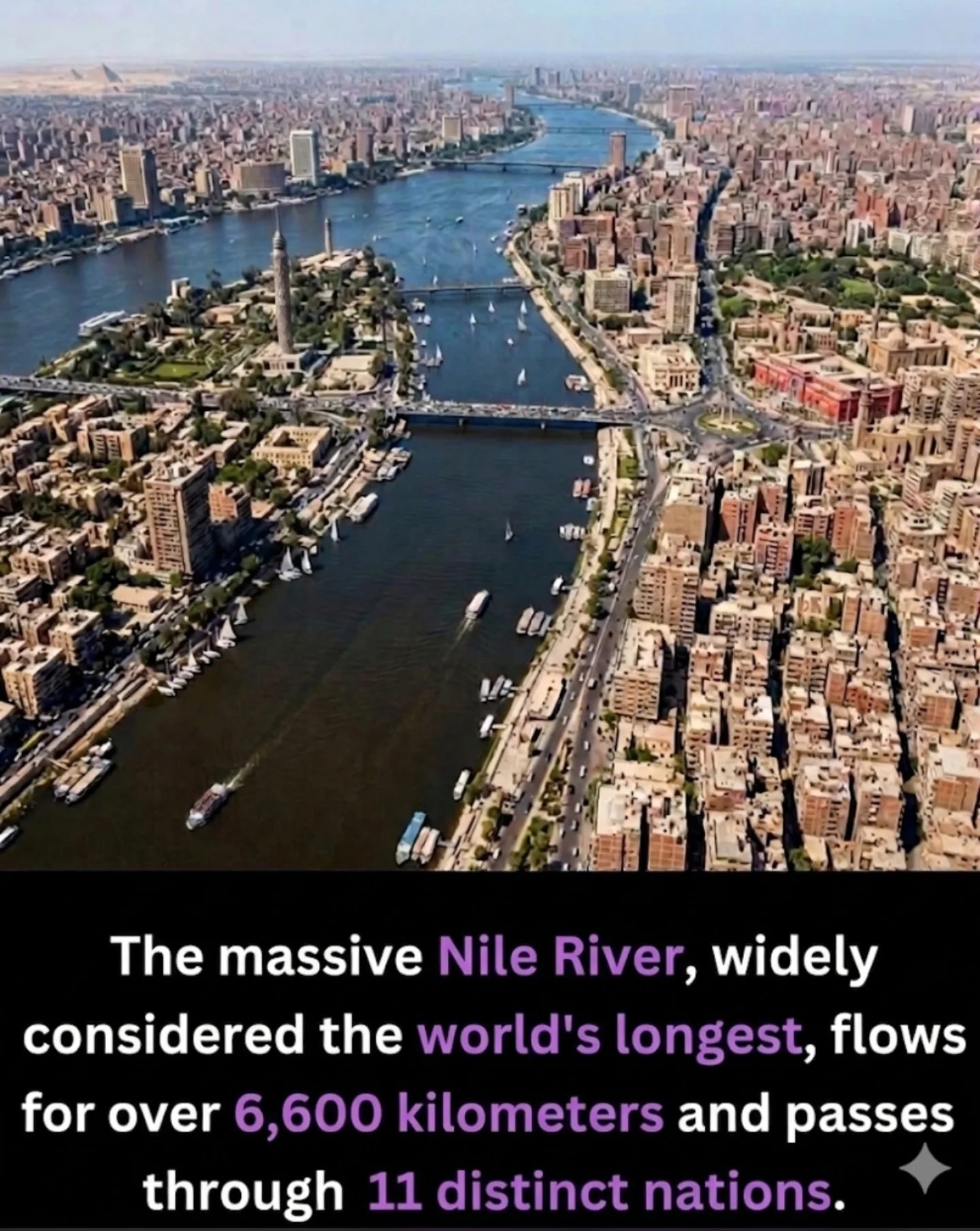
The Nile River: A Vital Global Transboundary Waterway
The Nile River, widely recognized as the longest river system on Earth, stretches across an expansive course of over 6,600 kilometers. This massive waterway is not just a geographical marvel but a critical lifeline for northeastern Africa, flowing through and connecting 11 distinct nations: Burundi, DR Congo, Egypt, Eritrea, Ethiopia, Kenya, Rwanda, South Sudan, Sudan, Tanzania, and Uganda.
Context / Why this matters
The Nile's transboundary nature makes it a unique and essential resource for the regions it traverses. It serves as a primary catalyst for life and development, transforming arid landscapes into thriving urban and agricultural centers. Understanding the Nile's significance goes beyond its sheer scale; it involves recognizing its role in driving agricultural productivity, economic sustainability, and biodiversity.
The Nile's geographical marvel
The Nile's length of over 6,600 kilometers makes it a standout among the world's rivers. Its expansive course is a result of its two major tributaries: the White Nile, originating at Lake Victoria, and the Blue Nile, which flows from Lake Tana in Ethiopia. These tributaries converge in Sudan, forming the Nile River that continues its journey northward through Egypt and eventually empties into the Mediterranean Sea.
The White Nile
Starting at Lake Victoria, the White Nile is the longer of the two main tributaries. It flows north through Uganda, South Sudan, and Sudan, covering a distance of about 3,700 kilometers. The White Nile is characterized by its calm waters and the vast wetlands it supports, such as the Sudd in South Sudan, one of the world's largest wetlands.
The Blue Nile
The Blue Nile, originating from Lake Tana in Ethiopia, is shorter but contributes about 80% of the Nile's water flow. It covers a distance of approximately 1,450 kilometers and is known for its dramatic landscapes, including waterfalls and gorges. The Blue Nile is a vital water source for agriculture in the region, particularly for the irrigation of crops in Egypt.
The Nile's role in regional civilization
The Nile has been a cornerstone of regional civilization for millennia. Ancient Egyptian civilization thrived along the Nile's banks, using its waters for agriculture, transportation, and daily life. Today, the river continues to support the livelihoods of millions of people, providing essential resources for agriculture, fishing, and transportation.
Agricultural productivity
The Nile's fertile banks and the nutrients it deposits during annual flooding have made it an ideal location for agriculture. Crops such as wheat, sugarcane, and maize are commonly cultivated along the Nile, supporting the food security of the region. The river's water is also crucial for irrigation, enabling the cultivation of crops in arid regions.
Economic sustainability
The Nile's economic significance extends beyond agriculture. It serves as a vital transportation route, connecting various communities and facilitating trade. The river supports various industries, including fishing, tourism, and hydroelectric power generation. The Aswan High Dam in Egypt, for instance, harnesses the Nile's power to generate electricity and control flooding.
Biodiversity
The Nile's diverse ecosystems support a rich array of plant and animal life. The river is home to numerous species, including the Nile crocodile, Nile monitor, and various fish species like the Nile perch. The river's wetlands and floodplains provide critical habitats for migratory birds and other wildlife, contributing to the region's biodiversity.
Practical tips
Exploring the Nile
For those interested in exploring the Nile, there are several ways to experience its beauty and significance:
- Cruises: Nile cruises offer a relaxing and comprehensive way to explore the river, often including stops at historical sites and cultural attractions.
- Fishing: The Nile is home to various fish species, making it a popular destination for anglers. Always ensure you have the necessary permits and follow local regulations.
- Wildlife watching: The Nile's wetlands and floodplains are excellent for wildlife watching. Keep a safe distance from wildlife and follow ethical guidelines.
Environmental conservation
The Nile's ecosystem faces various challenges, including pollution, overfishing, and habitat destruction. Conservation efforts are crucial for preserving the river's biodiversity and ensuring its sustainability. Support local conservation initiatives and practice responsible tourism to help protect the Nile.
Important takeaways
The Nile River is more than just a geographical feature; it is a lifeline for the regions it traverses. Its transboundary nature, expansive course, and historical significance make it a vital resource for northeastern Africa. By understanding and appreciating the Nile's role in driving agricultural productivity, economic sustainability, and biodiversity, we can better support its conservation and sustainable use.
Conclusion
The Nile River's importance cannot be overstated. From its role in shaping ancient civilizations to its contemporary significance in regional development, the Nile is a testament to the power of water as a life-sustaining resource. By exploring its vast landscapes, supporting conservation efforts, and recognizing its cultural and economic contributions, we can ensure that the Nile continues to thrive for generations to come.
Questions readers ask
Which countries does the Nile River flow through?
The Nile River flows through a total of 11 countries: Burundi, DR Congo, Egypt, Eritrea, Ethiopia, Kenya, Rwanda, South Sudan, Sudan, Tanzania, and Uganda. This extensive transboundary journey makes it a vital resource for many nations.
How long is the Nile River?
The Nile River stretches over 6,600 kilometers, making it the longest river system on Earth. Its vast length contributes to its significance as a lifeline for northeastern Africa.
What is the importance of the Nile River?
The Nile River is crucial for agricultural productivity, economic sustainability, and biodiversity. It transforms arid landscapes into thriving centers, supporting the livelihoods of millions of people across the region.
How does the Nile River impact agriculture?
The Nile's waters are essential for irrigating crops, making agriculture possible in regions that would otherwise be too dry. This supports food production and contributes to the economic well-being of the countries it flows through.
Why is the Nile River considered a transboundary water resource?
The Nile River is transboundary because it flows through multiple countries, making it a shared resource. This means that the management and use of the river's waters require cooperation and coordination among the nations it affects.
What role does the Nile River play in biodiversity?
The Nile River supports a rich variety of plant and animal life, contributing to the biodiversity of the regions it traverses. Its waters create habitats for numerous species, making it a critical ecological resource.
What is the Nile River's economic impact?
The Nile River has a significant economic impact by supporting agriculture, providing water for communities, and enabling trade and transportation. Its waters are essential for the economic sustainability of the countries it flows through, contributing to their overall development.
Related deep dives
Similar reads based on topic and creator.




Recent articles
Fresh deep dives from the latest Reels we unpacked.




Comments
Be the first to comment.