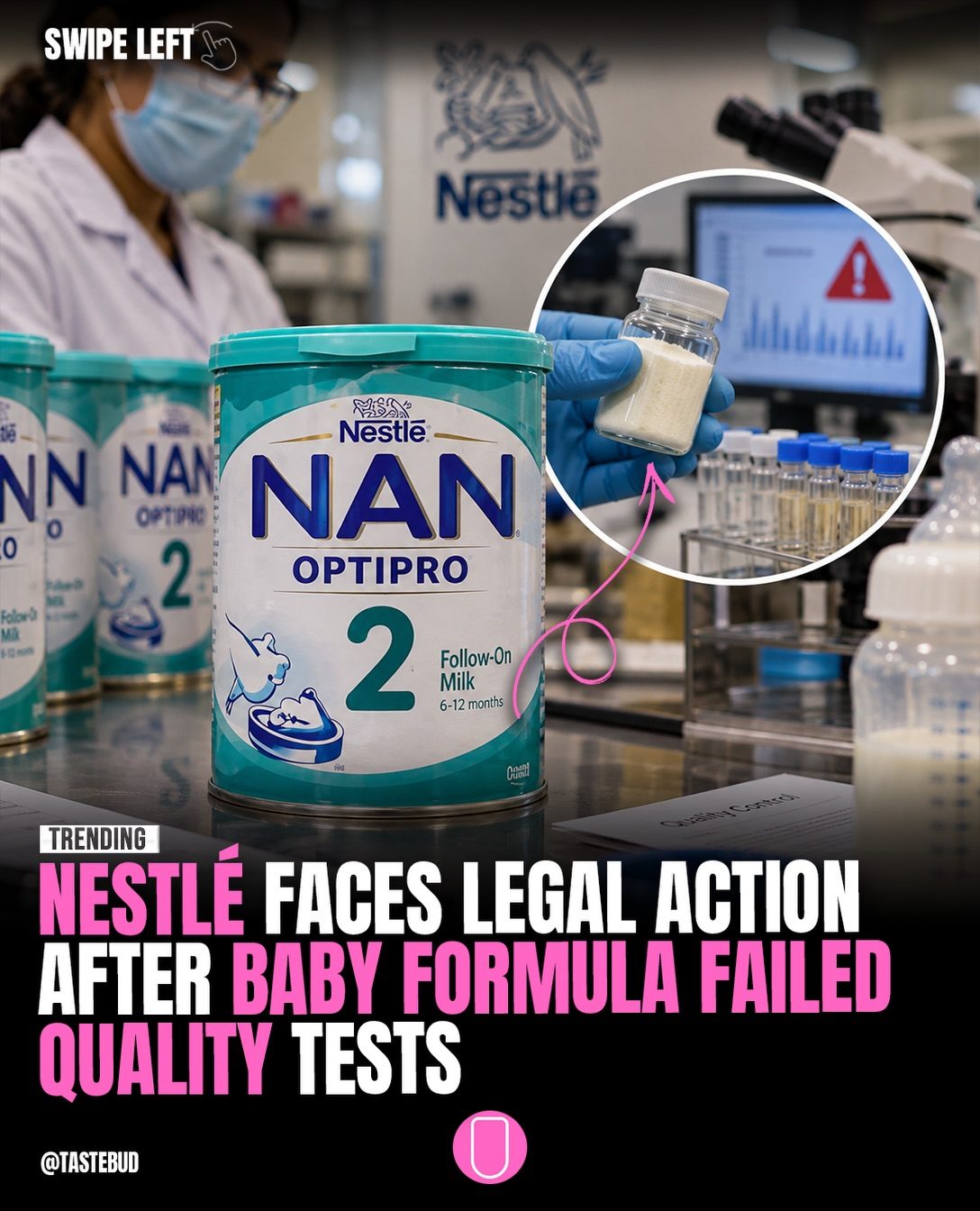
Nestlé's Quality Issues and the Regulatory Spotlight
Nestlé faces a regulatory storm for its baby formula products. The Food Safety and Standards Authority of India (FSSAI) found inadequate biotin levels in the company's follow-up formula, issuing a warning similar to the safety concerns of a 2020 food safety issue concerning peanut butter. The brand name itself—once trusted—now provokes uncertainty. Nestlé’s immediate response was swift, yet vague. The company claims the product complies with all regulations, but the controversy is unlikely to end soon. Now, even the labels on two other Nestlé formulas are under scrutiny. Nestlé’s issues are not unheard of in the formula market. Most parents need to trust formula manufacturers to provide essential nutrients for their babies, including biotin. This crucial vitamin plays a key factor in metabolism and brain development. Biotin is essential for infants and young children. “Milk should contain nutrients that are based on scientific proof—serving the nutritional needs of the youngest”. Even trace amounts matter to the health and well-being of small consumers. The specific deficiency in Nestlé’s products is alarming to parents and regulators alike. If biotin levels fall below required thresholds, babies could develop neurological issues.
Parental Concerns and the Broken Trust
Parental trust in formula makers rests heavily on their ability to deliver complete, safe nutrition. Nestlé’s troubles are a reminder that even industry giants can slip up. Labels on two additional Nestlé formulas have been flagged for potential inaccuracies in labels. The formula conundrum brings to light the tightly regulated nature of the baby formula industry. While regulatory bodies like the FSSAI work tirelessly to ensure product safety, breaches still occur. For instance, milk formula products are expected to have vitamin D, vitamin B12, and Calcium in the appropriate amounts.
Regulatory Oversight and the Path Forward
Consequences of these incidents are immediate. Brands like Siemens, Johnson & Johnson, and Procter & Gamble have experienced such incidents, which could result in product recalls or fines. For Nestlé, the fallout affects their market share and consumer trust. Nestlé’s assurance that its products comply with all regulations does little to alleviate public concern, especially when the company has faced quality control issues in the past. To move forward, it is critical that Nestlé takes immediate and transparent actions. The company must conduct thorough audits, improve their quality checks and offer insights on how this particular batch made it past their quality gates. Regulators in other countries and Nestlé's own internal checks need to find if they have received similar complaints in their respective regions.
The Broader Impact
Rather than only causing a setback for Nestlé, this incident is a wake-up call for the entire industry. It underscores the need for stringent quality checks and the importance of regulatory oversight. As for consumers, this episode serves as a reminder to stay informed and vigilant about the products they choose for their families. Nestlé’s experience illustrates that even trusted brands can falter. The challenge lies in balancing the consumer’s need for transparency with the manufacturer’s commitment to quality. The stakes are high. It is no easy task to manufacture the essential nutrients and vitamins while making sure they do not exceed or fall below the recommended threshold. The safety of infants poses the biggest challenge to food safety. What is the acceptable range of nutrient levels? How can we make sure that each product in the market meets that benchmark? The answers are crucial in the formulation, production, and quality checks of food and drug manufacturers.
Related deep dives
Similar reads based on topic and creator.


Recent articles
Fresh deep dives from the latest Reels we unpacked.


Comments
Be the first to comment.