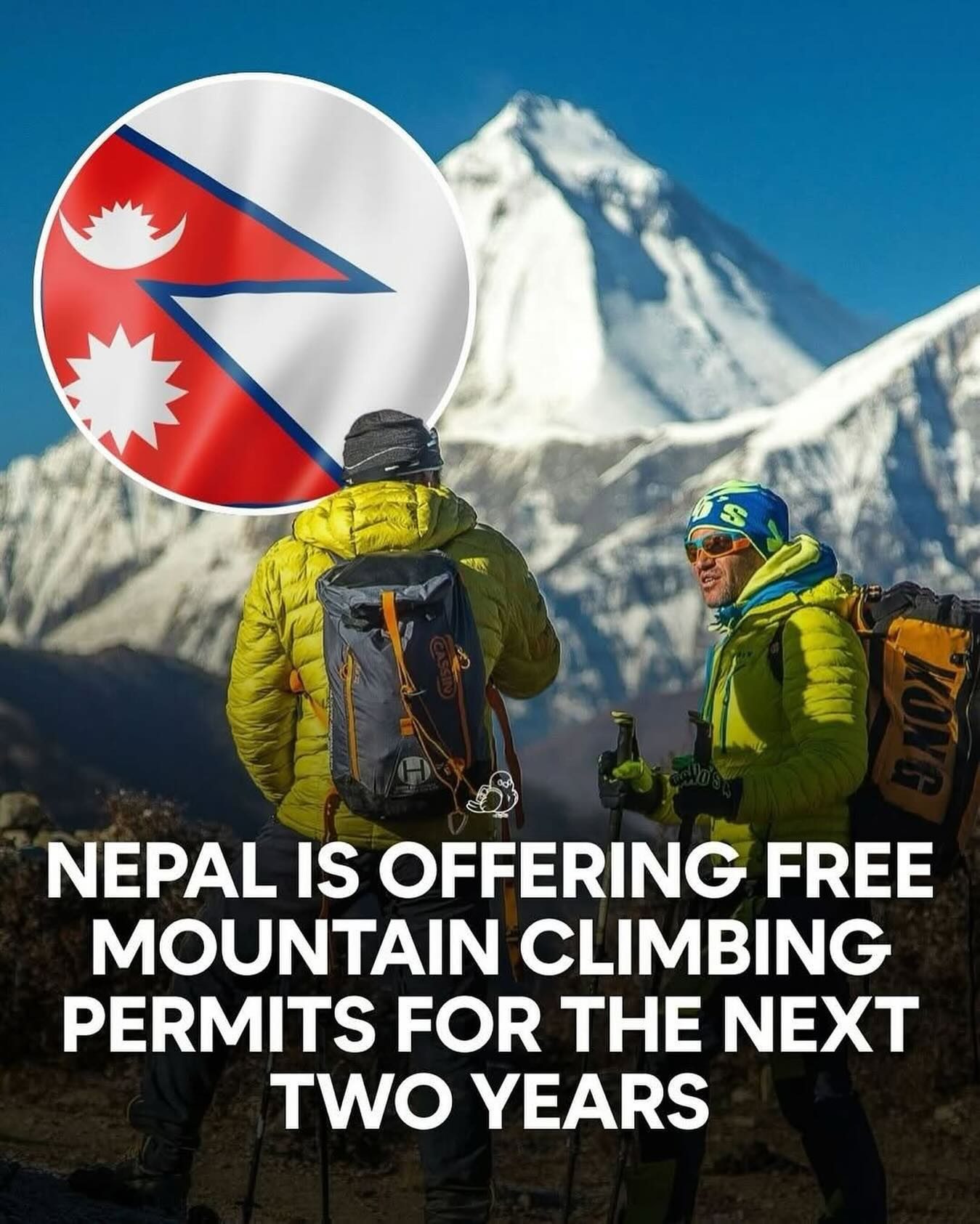
Mountain Climbing in Nepal: Exploring New Opportunities in the Himalayas
Mountain climbing in Nepal has long been a dream destination for many adventurers. Now, this dream is becoming even more accessible with the announcement that Nepal is offering free mountain climbing permits for 97 Himalayan peaks. This initiative, starting from July 17, 2025, is set to last for the next two years and will cover peaks ranging from 5,870 meters to 7,132 meters in the remote Karnali and Sudurpashchim provinces.
Why This Matters
The removal of permit fees for these peaks opens up a rare opportunity for climbers to explore previously untouched trails and epic summits. This move is part of a broader strategy to balance the growing pressure on overcrowded peaks like Everest. Everest's permit fees are set to increase from $11,000 to $15,000 starting September 1, 2025, making it even more exclusive. The free peaks could serve as essential stepping stones for climbers aspiring to conquer Everest, should Nepal’s proposed climbing rules be enacted. Additionally, this initiative is poised to boost eco-tourism and support local communities in these remote regions.
The 97 Himalayan Peaks
The 97 peaks in question are distributed across the Karnali and Sudurpashchim provinces of Nepal. These provinces are renowned for their rugged landscapes and pristine natural beauty.
Notable Peaks
Among the peaks included in this offer are some notable summits:
- Api (7,132 m): Known for its challenging routes and breathtaking views, Api is a must-climb for serious mountaineers.
- Api West (7,076 m): Often overlooked in favor of its more famous neighbor, Api West offers a less crowded but equally rewarding climb.
- Saipal (7,030 m): This peak is famous for its technical climbing routes and stunning panoramic views. Climbing this peak will be a remarkable accomplishment.
Shift in Pressure from Everest
The overcrowding on Everest has been a growing concern, with long waiting times and increased traffic posing significant challenges. By offering free permits for these 97 peaks, Nepal aims to alleviate some of this pressure. These peaks provide a unique opportunity for climbers to experience the Himalayas in a less crowded and more authentic setting.
Eco-Tourism and Community Support
One of the most significant impacts of this initiative is the potential boost to eco-tourism in the region. Climbers exploring these remote areas will spend money on local services, accommodations, and supplies, thereby supporting the local economy. This increased tourism can also help fund conservation efforts, ensuring that these pristine landscapes remain unspoiled for future generations.
Practical Tips for Climbers
For those planning to take advantage of this unique opportunity, here are some practical tips to consider:
Preparation
- Physical Fitness: Ensure you are in top physical condition. Climbing these peaks requires a high level of fitness and endurance.
- Equipment: Invest in quality gear, including climbing boots, ropes, and tents. Make sure your equipment is reliable and fit for high-altitude conditions.
- Guide Services: Even with free permits, consider hiring a local guide. Their knowledge of the terrain and weather conditions can be invaluable.
Logistics
- Permit Application: Stay updated on the official channels for permit applications. Ensure you have all the necessary documents and follow the application process closely.
- Travel Arrangements: Plan your travel well in advance, especially if you are flying into Nepal. Consider the logistics of getting to the base camps of these peaks.
- Weather Conditions: Be prepared for unpredictable weather conditions. The Himalayas are notorious for sudden changes in weather, so always have a backup plan.
Safety Considerations
- Acclimatization: Take ample time to acclimatize to the high altitudes. Rushing can lead to altitude sickness and other health issues.
- Health Insurance: Ensure you have comprehensive health insurance that covers high-altitude climbing and potential medical evacuations.
- Emergency Contacts: Share your itinerary with someone reliable and carry emergency contact information at all times.
Important Takeaways
There are a few key takeaways from this initiative:
- Unique Opportunity: The free permits offer a rare chance to explore some of the world’s most pristine and untouched mountain ranges.
- Economic and Ecological Benefits: This initiative supports local communities and could help preserve the natural beauty of the region.
- Balanced Tourism: By reducing the pressure on Everest, Nepal aims to create a more balanced and sustainable tourism model.
Conclusion
Nepal's decision to offer free mountain climbing permits for 97 Himalayan peaks is a game-changer for adventurers and conservationists alike. This initiative not only opens up new opportunities for climbers but also supports local communities and promotes eco-tourism. For those dreaming of venturing into the Himalayas, this might be the best window in decades to explore these majestic peaks.
Questions readers ask
Which peaks are included in Nepal's free climbing initiative?
The free climbing initiative in Nepal covers 97 Himalayan peaks, ranging from 5,870 meters to 7,132 meters in elevation. These peaks are primarily located in the remote Karnali and Sudurpashchim provinces, offering climbers a unique opportunity to explore lesser-known trails and summits.
When does the free climbing permit initiative start and how long will it last?
The initiative to offer free climbing permits for 97 Himalayan peaks in Nepal begins on July 17, 2025. This program is set to run for the next two years, providing a limited-time window for climbers to take advantage of this offer.
What is the purpose of offering free climbing permits in Nepal?
Nepal's decision to offer free climbing permits aims to reduce the overwhelming pressure on popular and overcrowded peaks like Everest. By promoting climbing in remote regions, the initiative seeks to encourage eco-tourism and distribute climbing activities more evenly across the country.
Are there any specific requirements for climbers interested in the free permits?
While the permits are free, climbers should still be prepared to follow standard safety protocols and guidelines. It is also recommended to have appropriate climbing experience and equipment, as well as to respect the local environment and culture.
How can climbers benefit from the free climbing permits in Nepal?
Climbers can benefit from the free permits by exploring new and less-crowded Himalayan peaks, which offer a unique and challenging climbing experience. This initiative provides an excellent opportunity for budget-conscious adventurers to enjoy Himalayan trekking and climbing without the financial burden of permit fees, while also supporting Nepal's eco-tourism efforts.
Related deep dives
Similar reads based on topic and creator.




Recent articles
Fresh deep dives from the latest Reels we unpacked.




Comments
Be the first to comment.