Nanorobots and Sperm: A New Frontier in Fertility Treatment
What's Being Explored
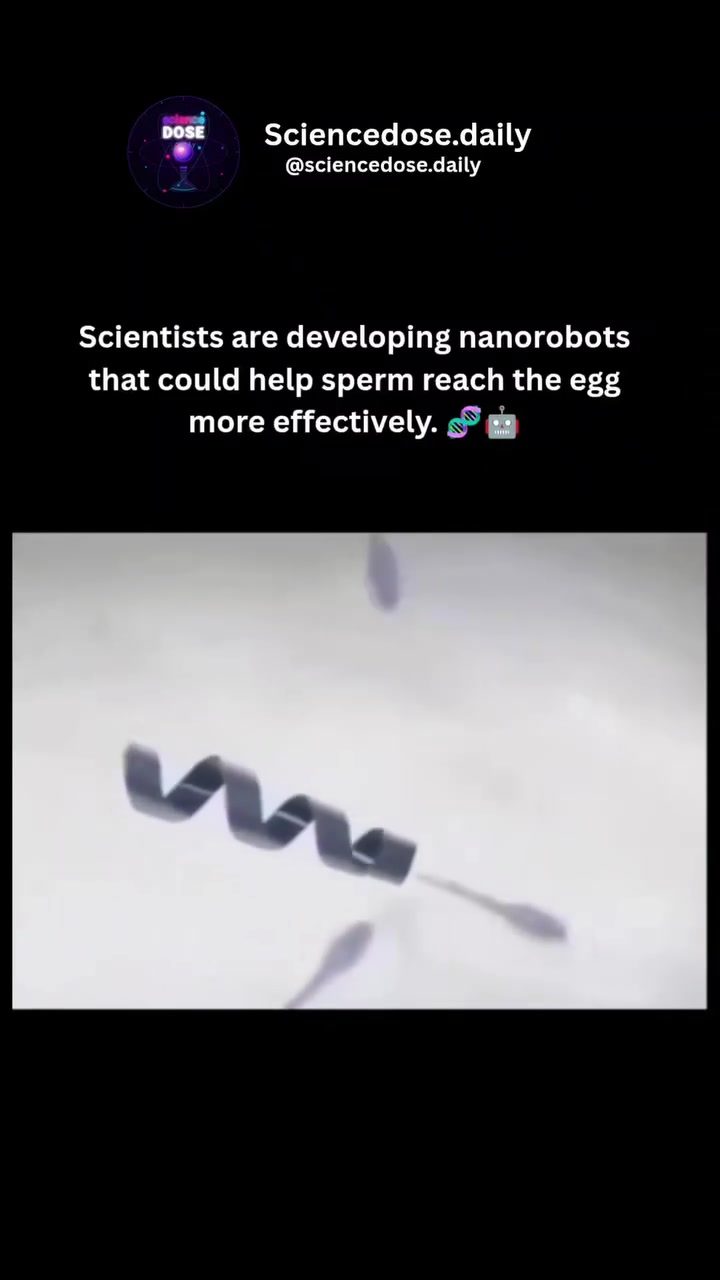
Researchers are exploring microscopic nanorobots that could assist sperm cells in reaching and fertilizing an egg. This innovative technology is particularly aimed at helping cases where natural sperm movement is limited. The goal is to guide sperm during their journey toward the egg, effectively supporting natural fertilization under specific medical conditions.
Context
For many individuals and couples struggling with infertility, the journey to parenthood can be fraught with challenges. While traditional methods like in vitro fertilization (IVF) have been widely used, these technologies are not universally successful and can be both costly and invasive. Enter nanorobotics, a field that combines nanotechnology, robotics, and healthcare, offering a new approach to fertility treatments. Nanorobots, which are microscopic robots, have the potential to address some of the limitations of current fertility treatments by directly assisting sperm in their journey to the egg.
The Nanorobotic Approach
How Nanorobots Work
Nanorobots are tiny, microscopic machines designed to perform specific tasks within the body. In the context of fertility, these nanorobots are being developed to help sperm navigate to the egg. The nanorobots are designed to attach to the sperm cells and assist their movement, particularly in cases where natural motility is impaired.
Researchers are developing these nanorobots to help in ways such as:
- Guiding sperm through the female reproductive tract
- Enhancing the chances of successful sperm-egg interaction
- Supporting natural fertilization under specific medical conditions
Current Research and Development
The technology is still largely experimental and continues to be studied in laboratories. The visuals from the microscopic world of reproductive biology showcase the intricate process of sperm navigation and the potential role of nanorobots in enhancing this process.
This microscopic world is often overlooked, but it holds the key to future advancements in fertility treatments. Researchers are focusing on improving the chances of successful sperm navigation, thereby increasing the likelihood of natural fertilization.
Practical Tips for Understanding
What to Expect
While these nanorobotic technologies are promising, it's important to approach them with realistic expectations. To date, clinical testing is ongoing, and the safety and efficacy of these technologies are still under rigorous evaluation.
If you are considering or exploring fertility treatments, it’s essential to stay informed about the latest advancements in this field. While nanorobotic technologies are not yet widely available, they represent a promising direction for future fertility treatments. Keeping an eye on these developments can provide a sense of hope and potential solutions that may be available in the future.
Questions to Ask
If you're actively seeking fertility treatments, consider asking your healthcare provider about the latest research in nanorobotic technology. Some key questions you might ask include:
- What are the current limitations of traditional fertility treatments for my specific condition?
- Are there any ongoing clinical trials or experimental treatments I could consider?
- How might advancements in nanotechnology and robotics impact future fertility treatments?
Important Takeaways
While nanorobotic technologies are still in the experimental phase, they hold significant potential for improving fertility treatments. The key points to remember are:
- Nanorobots are being developed to assist sperm in reaching the egg, particularly in cases of limited natural motility.
- These technologies aim to support natural fertilization rather than replace it.
- The safety and efficacy of nanorobots are currently under rigorous testing.
- Staying informed about advancements in this field can provide new options and hope for future fertility treatments.
Conclusion
The development of nanorobots to assist sperm in reaching and fertilizing an egg represents a promising direction for future fertility treatments. While the technology is still in its experimental stages, the potential benefits are significant. By improving the chances of successful sperm navigation, nanorobots could become an invaluable tool in assisted reproductive medicine, helping individuals and couples achieve their dreams of parenthood.
Questions readers ask
How do nanorobots aim to assist sperm cells in the fertilization process?
Nanorobots are designed to physically guide sperm cells towards the egg, particularly in cases where the sperm's natural movement is hindered. By providing this assistance, nanorobots support the process of natural fertilization, which could increase the likelihood of successful conception.
What are the potential benefits of using nanorobots for fertility treatment?
Nanorobots offer a less invasive alternative to traditional methods like IVF and can potentially reduce the physical and financial burden associated with these procedures. Additionally, by assisting natural fertilization, nanorobots could provide new hope for individuals and couples who have struggled with infertility, offering a higher chance of conception.
How do nanorobots differ from other assisted reproductive technologies?
Unlike IVF, which involves extracting eggs and fertilizing them in a lab, nanorobots work within the body to assist sperm cells in reaching and fertilizing an egg naturally. This targeted approach could make the process more comfortable and accessible for patients, with the added benefit of being a non-invasive procedure.
What specific challenges are nanorobots designed to address in fertility treatment?
Nanorobots are particularly focused on helping cases where sperm movement is limited. This can be due to various factors, such as low sperm motility or structural abnormalities. By guiding the sperm, nanorobots could help overcome these challenges and improve the chances of successful fertilization.
What is the current stage of development for nanorobots in fertility treatment?
Researchers are actively exploring the potential of nanorobots in fertility treatment. The technology is still in its early stages, with ongoing research focused on optimizing the design and function of nanorobots to effectively assist sperm cells. Clinical trials and further studies are needed to fully understand their impact and ensure safety for patients.
Are there any risks associated with using nanorobots for fertility treatment?
As with any emerging technology, there are potential risks and uncertainties. Researchers are actively investigating these, including how nanorobots might interact with the body, any potential side effects, or long-term implications. It's crucial for ongoing studies to address these considerations to ensure the safety and efficacy of nanorobots in fertility treatment.
How do nanorobots interact with the reproductive system to support fertilization?
Nanorobots are designed to be microscopic, allowing them to navigate the reproductive system alongside sperm cells. By mimicking the natural environment and providing a supportive mechanism, these tiny robots can help sperm cells travel through the female reproductive tract and reach the egg more efficiently, thereby enhancing the chances of fertilization.
Related deep dives
Similar reads based on topic and creator.




Recent articles
Fresh deep dives from the latest Reels we unpacked.




Comments
Be the first to comment.