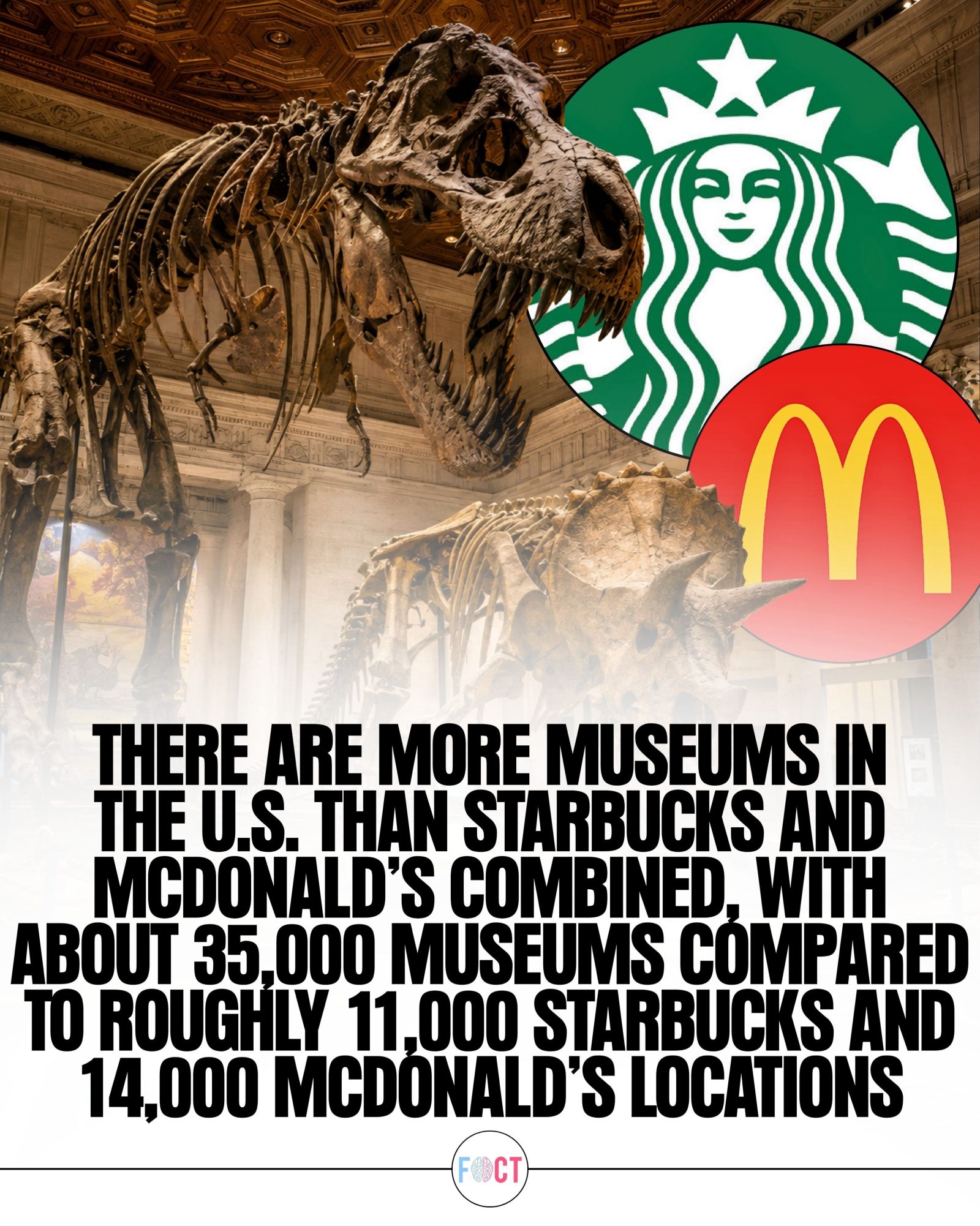
The Extensive Presence of Museums in the U.S.
The United States is home to an incredible 35,144 active museums, a number that has more than doubled the previous estimate from the 1990s. This impressive figure underscores the vast and varied cultural landscape that museums contribute to in the nation. These institutions span a wide range of disciplines, including art, history, science, technology, and natural history.
Why This Matters
Museums are more than just repositories of artifacts and information; they are dynamic centers that drive educational, economic, and social growth within their communities. They serve as anchors for local culture, providing authentic content for learning and fostering a sense of community and civic engagement. In the U.S., museums are crucial players in preserving history and promoting cultural awareness.
The Institute of Museum and Library Services (IMLS) highlights the significance of museums by noting their role in the "discovery of art, history, science, technology, and the natural world." This mission extends beyond mere exhibition to include grassroots efforts in historical preservation and community engagement.
The Scope of U.S. Museums
Diversity in Museum Types
The 35,144 museums in the U.S. encompass a diverse array of institutions. These include:
- Historical Societies and Historic Preservation Organizations: These organizations are dedicated to preserving the nation's heritage. With 16,880 historical societies and historic preservation organizations alone, this category represents a significant portion of the total museum count.
- Art Museums: These institutions showcase a variety of artistic expressions, from ancient to contemporary art.
- Science and Technology Centers: These centers focus on scientific discovery and technological innovation, making complex subjects accessible to the public.
- Natural History and Natural Science Museums: These museums explore the natural world, from dinosaurs to the latest environmental research.
- Children's Museums: Designed with younger visitors in mind, these museums offer interactive exhibits that foster learning through play.
- Botanical Gardens and Nature Centers: These green spaces provide both educational and recreational opportunities, highlighting the importance of biodiversity and environmental conservation.
- Planetariums and Zoos: These facilities offer unique experiences, from exploring the cosmos to learning about wildlife conservation.
Geographic and Demographic Reach
Museums are not limited to major metropolitan areas; they are spread across the country, from small rural towns to bustling cities. This widespread presence ensures that Americans, regardless of their location, have access to cultural and educational resources.
Comparison with Popular Chains
Museums vs. Starbucks and McDonald’s
A fascinating comparison reveals the extensive reach of museums in the U.S. When compared to other ubiquitous institutions like Starbucks and McDonald's, museums hold their own. There are approximately 11,000 Starbucks locations and 14,000 McDonald's locations nationwide, totaling about 25,000. The roughly 35,000 museums in the U.S. surpass this combined figure, underscoring their extensive presence and impact.
Significance of the Comparison
This comparison provides a tangible sense of the scale and reach of museums. It underscores the idea that museums are not just scattered institutions but a substantial network that permeates the American landscape. This widespread presence means that museums are often a part of the community fabric, providing resources and experiences that enrich local life.
Practical Tips for Engaging with Museums
Planning a Visit
Whether you're a local resident or a visitor, planning a museum visit can be a rewarding experience. Start by identifying museums in your area or on your travel itinerary. Check their websites for information on exhibits, hours, and any special events. Many museums offer online resources, including virtual tours and educational materials, which can enhance your visit or serve as a standalone learning experience.
Making the Most of Your Visit
- Plan Ahead: Review the museum's layout and exhibits before your visit to prioritize what you want to see.
- Engage with Guides: Many museums offer guided tours or docents who can provide in-depth information and contextualize the exhibits.
- Participate in Activities: Museums often host workshops, lectures, and interactive activities that can deepen your understanding and appreciation.
Annual Passes and Memberships
Consider purchasing an annual pass or becoming a member if you plan to visit a particular museum multiple times. Memberships often come with benefits like free admission, discounts on merchandise, and invitations to exclusive events. In some cases, museum memberships can offer reciprocal benefits that allow free or discounted admission to other museums nationwide.
Important Takeaways
- Diverse and Numerous: The U.S. is home to a vast and diverse array of museums, totaling approximately 35,144 institutions.
- Cultural and Educational Significance: Museums play a vital role in preserving history, promoting cultural awareness, and contributing to community development.
- Extensive Reach: The number of museums exceeds the combined locations of popular chains like Starbucks and McDonald's, highlighting their widespread presence and impact.
Conclusion
Museums in the U.S. are more than just places to view artifacts and exhibits; they are cornerstones of cultural and educational development. With an extensive network of institutions covering a variety of disciplines, museums enrich communities across the country. Whether you're a history buff, a science enthusiast, or simply curious about the world, there's a museum waiting to offer a unique and enriching experience.
Questions readers ask
How many museums are there in the United States compared to Starbucks and McDonald's locations?
The United States has 35,144 active museums, which is more than the number of Starbucks (around 15,000) and McDonald's (around 13,500) locations combined. This highlights the extensive presence of museums across the country.
Why are museums important to local economies?
Museums contribute significantly to local economies by attracting tourists, creating jobs, and stimulating local businesses. They also drive economic growth through visitor spending and community initiatives.
What types of museums can be found in the United States?
The U.S. is home to a diverse range of museums, including art, history, science, technology, and natural history museums. These institutions cater to various interests and help preserve the nation's cultural heritage.
How has the number of museums in the U.S. changed over time?
The number of museums in the U.S. has more than doubled since the 1990s, indicating a growing appreciation for cultural preservation and community engagement. This increase reflects the dynamic role museums play in society.
What is the role of museums in community engagement?
Museums serve as dynamic centers for community engagement by fostering a sense of civic pride and belonging. They provide authentic learning experiences and encourage public participation in cultural and historical activities.
How do museums preserve cultural heritage?
Museums preserve cultural heritage by collecting, conserving, and displaying artifacts and information that tell the story of America. They ensure that historical and cultural narratives are accessible to current and future generations.
What is the impact of federal funding on museums in the U.S.?
Federal funding supports museums in various ways, including grants for exhibitions, conservation, and community programs. This financial assistance helps museums maintain their collections, enhance public programming, and continue to serve as vital cultural hubs within their communities.
Related deep dives
Similar reads based on topic and creator.




Recent articles
Fresh deep dives from the latest Reels we unpacked.




Comments
Be the first to comment.