Microfluidic Printing
Mosquitoes are known for their irritating bites, but did you know that these tiny creatures can also play a role in cutting-edge technology? By leveraging the unique structure of a mosquito's proboscis, researchers have developed one of the world's most advanced precision nozzles for microfluidic printing.
Context / Why This Matters
Microfluidic printing is a groundbreaking technology that allows for the precise manipulation and deposition of tiny amounts of liquid. This process is crucial in various fields, including biotechnology, medicine, and materials science. By enabling the creation of complex structures at the micro and nanoscale, microfluidic printing opens up new possibilities for tissue engineering, drug delivery, and even the development of advanced materials.
Main Discussion
The Mosquito's Role
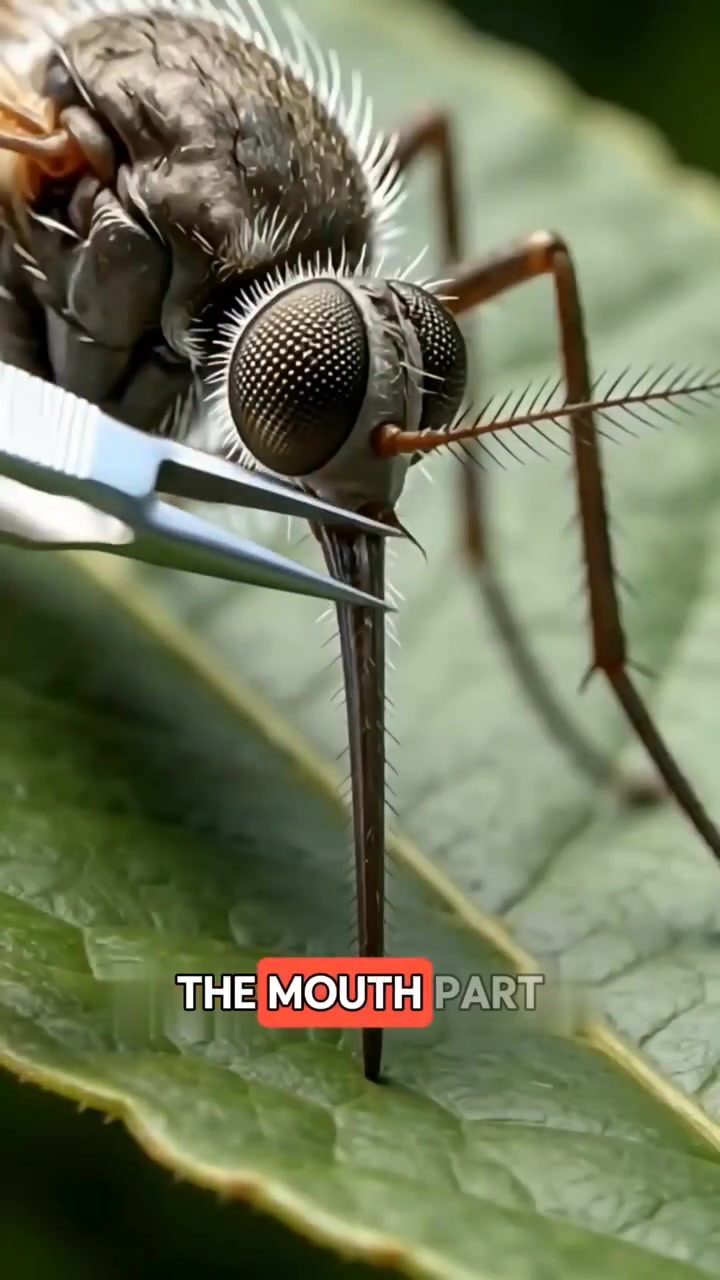
The key to this innovative technology lies in the mosquito's proboscis, the slender, tube-like structure that mosquitoes use to pierce skin and draw blood. This natural design features a hollow tube with an ultra-fine liquid channel, making it ideal for precise liquid handling. However, the proboscis is extremely soft and fragile, necessitating a process to enhance its durability.
Creating the Nozzle
To transform the mosquito's proboscis into a usable nozzle, researchers use a specially formulated resin. The process begins with carefully removing the outer protective layer of the proboscis using fine tweezers. This reveals a naturally formed hollow tube. The proboscis is then coated with the resin, which cures in just a few minutes. The result is an ultra-precise micro-nozzle that can be mounted onto a printing head.
Printing with Precision
Once mounted, the mosquito-based nozzle can print structures as small as 20 micrometers, which is about one-fifth the diameter of a human hair. This level of precision is unmatched by conventional printing methods, making it possible to create microscopic biological scaffolds and even finer structures. The nozzle can also print living cells while maintaining a high cell survival rate of over 86%.
Applications and Benefits
The potential applications of this technology are vast. In biotechnology, microfluidic printing can be used to create intricate tissue scaffolds that support cell growth and regeneration. In medicine, it can enable the development of customized drug delivery systems that target specific areas of the body. Additionally, the technology can be used in materials science to fabricate advanced materials with unique properties.
Practical Tips
If you're considering exploring microfluidic printing, here are some practical tips to get you started:
- Source High-Quality Materials: Ensure that the resin and other materials used in the process are of high quality to achieve optimal results.
- Use Fine Tweezers: When handling the mosquito's proboscis, use fine tweezers to carefully remove the outer layer without damaging the delicate structure.
- Cure Properly: Allow the resin to cure completely to ensure the nozzle's durability and precision.
- Experiment with Different Structures: Try printing various structures, from biological scaffolds to more complex designs, to fully explore the capabilities of the technology.
- Maintain Cell Viability: If printing living cells, ensure that the printing process and materials used do not compromise cell survival rates.
Important Takeaways
- Natural Inspiration: The mosquito's proboscis serves as a natural inspiration for creating ultra-precise nozzles.
- High Precision: These nozzles can print structures as small as 20 micrometers.
- Versatile Applications: Microfluidic printing has numerous applications in biotechnology, medicine, and materials science.
- High Cell Survival: The technology can print living cells while maintaining a high survival rate.
- Innovative Process: The process of transforming the proboscis into a usable nozzle involves careful handling and precise resin application.
Conclusion
Microfluidic printing, enhanced by the unique properties of a mosquito's proboscis, represents a significant advancement in precision printing technology. By leveraging this natural design, researchers have developed a high-precision nozzle capable of printing at the microscale. This innovation opens up new possibilities in various fields, from biotechnology to materials science, and paves the way for future advancements in precision manufacturing.
Questions readers ask
How do mosquito-inspired nozzles enhance microfluidic printing?
Mosquito-inspired nozzles enhance microfluidic printing by mimicking the natural structure of a mosquito's proboscis, which allows for precise and controlled deposition of tiny liquid volumes. This precision is crucial for creating intricate micro and nano-scale structures, which is beneficial for applications in biomedicine and materials science.
What makes mosquito proboscises suitable for precision printing?
Mosquito proboscises are suitable for precision printing due to their unique structure, which allows them to penetrate and extract fluids with high accuracy. This natural design is adapted to create nozzles that can dispense minuscule amounts of liquid, making them ideal for advanced microfluidic printing techniques.
What are some applications of microfluidic printing in biomedicine?
Microfluidic printing has numerous applications in biomedicine, including tissue engineering, where it can create detailed cellular structures, and drug delivery, where precise dosing and targeting are critical. Additionally, it can be used for living cell printing, enabling the development of complex biological systems.
How do these advanced nozzles benefit materials science?
In materials science, the advanced nozzles used in microfluidic printing enable the creation of intricate structures at the micro and nanoscale, which can be used to develop novel materials with unique properties. This capability opens up new avenues for research and innovation in material design and fabrication.
Can microfluidic printing be used for tasks other than biomedical applications?
Yes, microfluidic printing has a wide range of applications beyond biomedicine. It can be used in materials science for creating precise structures, in electronics for fabricating miniature components, and in various other fields that require high-precision liquid handling and deposition.
What are the advantages of using microfluidic printing over traditional printing methods?
Microfluidic printing offers several advantages over traditional methods, including the ability to handle extremely small volumes of liquid, precise control over deposition, and the capability to create complex structures at the micro and nanoscale. This makes it ideal for applications that require high accuracy and precision.
Recent articles
Fresh deep dives from the latest Reels we unpacked.


Comments
Be the first to comment.